Mail Us:Landrolab@gmail.com

Laboratory Worktop Materials Guide: How to Choose the Best Surface for Your Laboratory
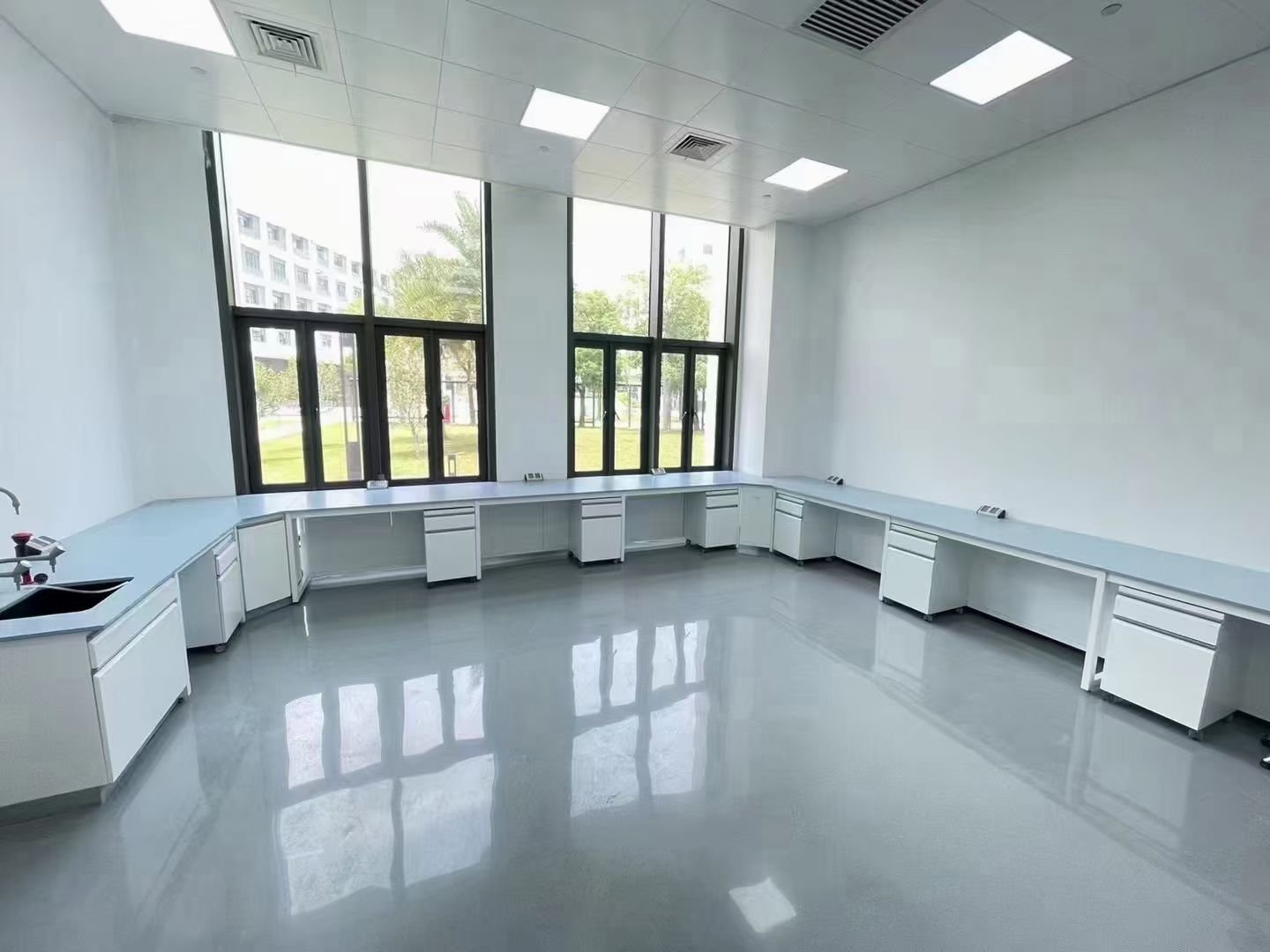
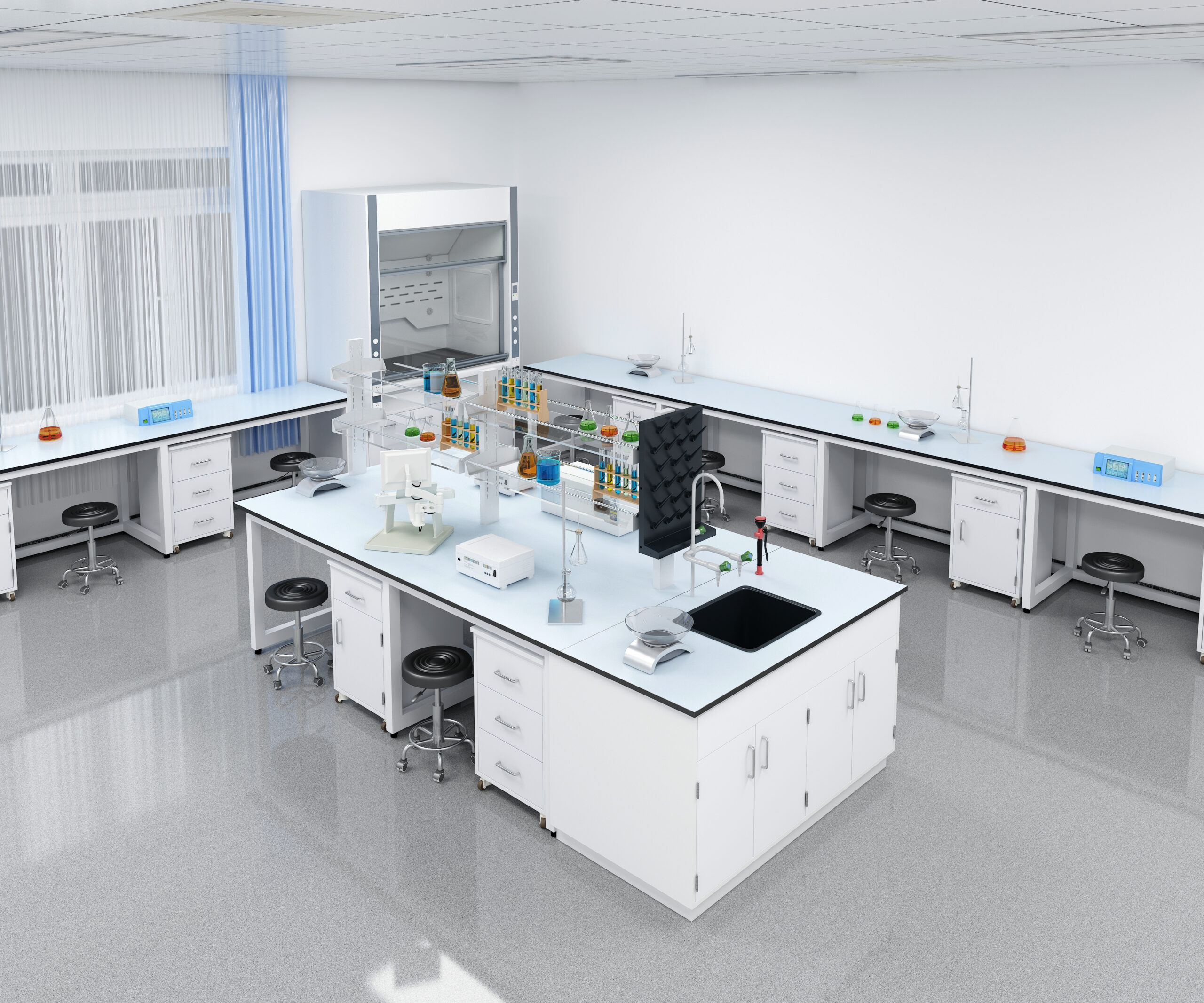
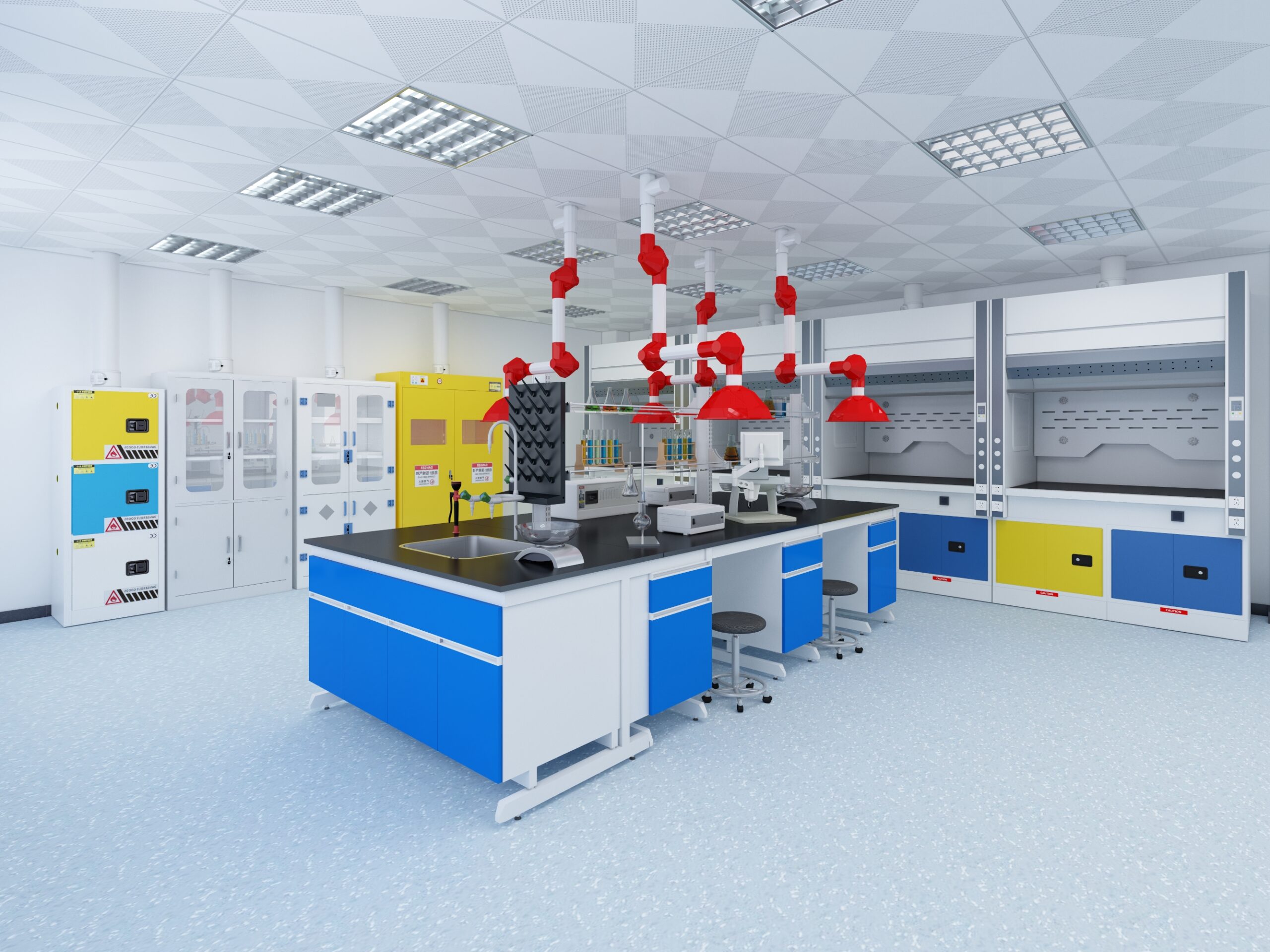
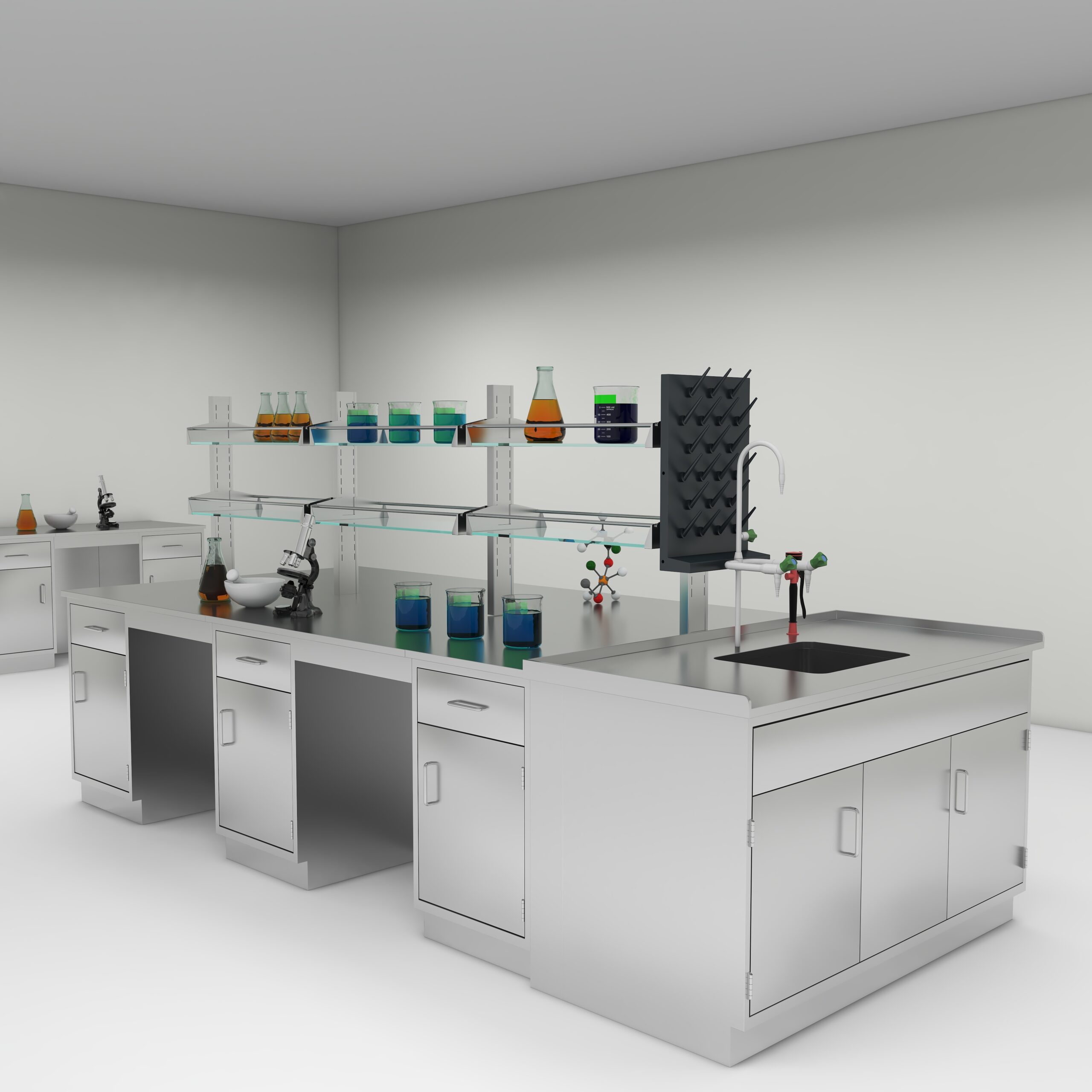
Selecting the right laboratory worktop material improves laboratory safety, equipment performance, and long-term operational efficiency. LANDRO supplies epoxy resin, phenolic resin, stainless steel, ceramic, and customized laboratory worktop solutions designed for research laboratories, universities, pharmaceutical facilities, and industrial testing environments worldwide.
Introduction
The laboratory worktop is one of the most heavily used components in any laboratory. Every experiment, analysis, sample preparation, and testing procedure takes place on the work surface, making material selection critical for laboratory safety, durability, and long-term performance.
Different laboratories require different countertop materials. A pharmaceutical laboratory may prioritize hygiene and easy cleaning, while a chemical laboratory requires exceptional resistance to acids, alkalis, and solvents. Industrial testing laboratories often need worktops capable of supporting heavy analytical equipment without deformation.
This guide explains the most common laboratory worktop materials, their advantages, limitations, and the best applications for each, helping laboratory planners choose the most suitable solution.
Quick Answer
The best laboratory worktop material depends on laboratory applications and chemical exposure. Epoxy resin countertops provide outstanding chemical resistance, phenolic resin worktops offer excellent moisture resistance and durability, stainless steel surfaces are ideal for hygienic environments, while ceramic tops perform well in high-temperature laboratories.
Why Laboratory Worktop Material Matters
Unlike ordinary countertops, laboratory worktops must withstand continuous exposure to chemicals, moisture, heat, mechanical impact, and heavy laboratory equipment.
Choosing the wrong surface material can result in corrosion, staining, cracking, or costly replacements. Selecting the proper laboratory worktop improves laboratory safety, extends service life, and reduces maintenance costs throughout the facility's operation.
Common Laboratory Worktop Materials
Epoxy Resin Worktops
Epoxy resin is considered one of the highest-performance laboratory worktop materials available.
Its non-porous surface provides outstanding resistance to aggressive chemicals, making it suitable for chemical research laboratories, pharmaceutical facilities, and analytical testing laboratories.
Epoxy resin countertops also resist moisture, staining, and bacterial growth while maintaining excellent structural stability under heavy laboratory equipment.

Phenolic Resin Worktops
Phenolic resin worktops are manufactured using layers of kraft paper impregnated with thermosetting resin under high pressure.
They offer excellent moisture resistance, impact resistance, and easy maintenance, making them popular in educational laboratories, research facilities, and general laboratory environments.
Compared with epoxy resin, phenolic resin usually provides a more economical solution while maintaining reliable durability.

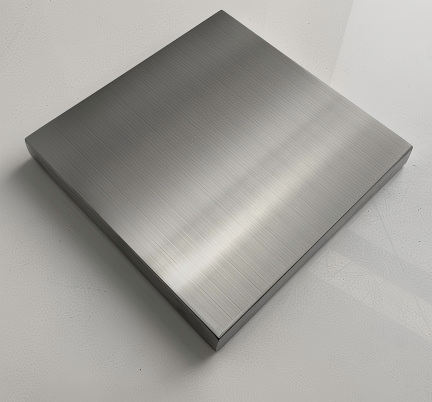
Stainless Steel Worktops
Stainless steel worktops are widely used in medical laboratories, biotechnology facilities, pharmaceutical production, and food testing laboratories.
Their smooth, non-porous surface simplifies cleaning and supports environments with strict hygiene requirements.
Although stainless steel is easy to maintain, it is generally selected for clean applications rather than laboratories handling highly aggressive chemicals.
Ceramic Laboratory Worktops
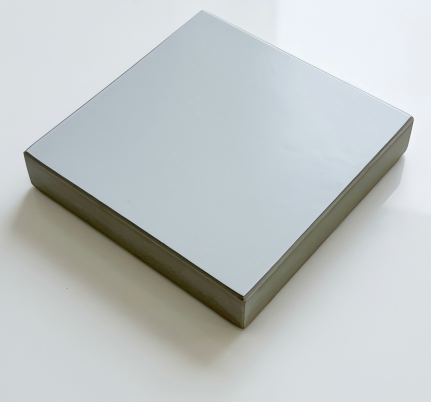
Ceramic worktops are designed for laboratories exposed to extremely high temperatures.
Their outstanding heat resistance and scratch resistance make them suitable for laboratories using burners, furnaces, and thermal testing equipment.
Ceramic surfaces also offer good resistance to many chemicals while maintaining dimensional stability under extreme conditions.
How to Choose the Right Laboratory Worktop
The ideal worktop should be selected according to laboratory operations rather than appearance alone.
Chemical laboratories often benefit from epoxy resin because of its superior corrosion resistance.
Educational laboratories and research facilities frequently choose phenolic resin for its balance of performance and affordability.
Medical and pharmaceutical laboratories typically install stainless steel worktops where cleanliness is the highest priority.
For laboratories involving intense heat, ceramic worktops provide the best long-term performance.
Typical Applications
Chemical Laboratories
Epoxy resin worktops are commonly selected because they withstand aggressive acids, alkalis, and laboratory solvents.
Universities and Research Laboratories
Phenolic resin worktops provide a durable and cost-effective solution for daily teaching and research activities.
Medical and Pharmaceutical Laboratories
Stainless steel worktops help maintain hygienic working conditions while supporting frequent cleaning and disinfection.
High-Temperature Testing Laboratories
Ceramic worktops offer excellent resistance to heat and mechanical wear, making them ideal for demanding laboratory environments.
Expert Tips
The worktop material should always match the laboratory's actual operating conditions rather than following a single standard throughout the facility.
Many modern laboratories successfully combine different countertop materials in separate work areas, improving performance while controlling overall project costs.
Planning worktop materials during the laboratory design stage also helps simplify equipment installation and future maintenance.
When planning laboratory layouts, designers should also consider recommendations from U.S. Department of Labor – Laboratory chemical safety guidelines
Frequently Asked Questions
Which laboratory worktop has the best chemical resistance?
Epoxy resin worktops generally provide the highest resistance to aggressive laboratory chemicals.
Are phenolic resin worktops suitable for chemical laboratories?
Yes. Phenolic resin performs well in many laboratory environments, although epoxy resin is often preferred for highly corrosive applications.
Which worktop is easiest to clean?
Stainless steel worktops are widely recognized for their smooth surface and simple cleaning procedures.
Can different worktop materials be used in one laboratory?
Yes. Many laboratory projects combine multiple worktop materials according to the specific requirements of each working area.
READY TO PLAN YOUR LAB?
Partner with Landro’s engineering team to build a safe, efficient, and fully compliant research environment.
-
✓
Free Consultation — Discuss your workflow and spatial constraints with experts.
-
✓
Compliance Assured — Standardized designs passing SEFA & ASHRAE audits.
-
✓
3D Concept Preview — Visualize your laboratory before committing to construction.