Mail Us:Landrolab@gmail.com


Types of Laboratory Benches
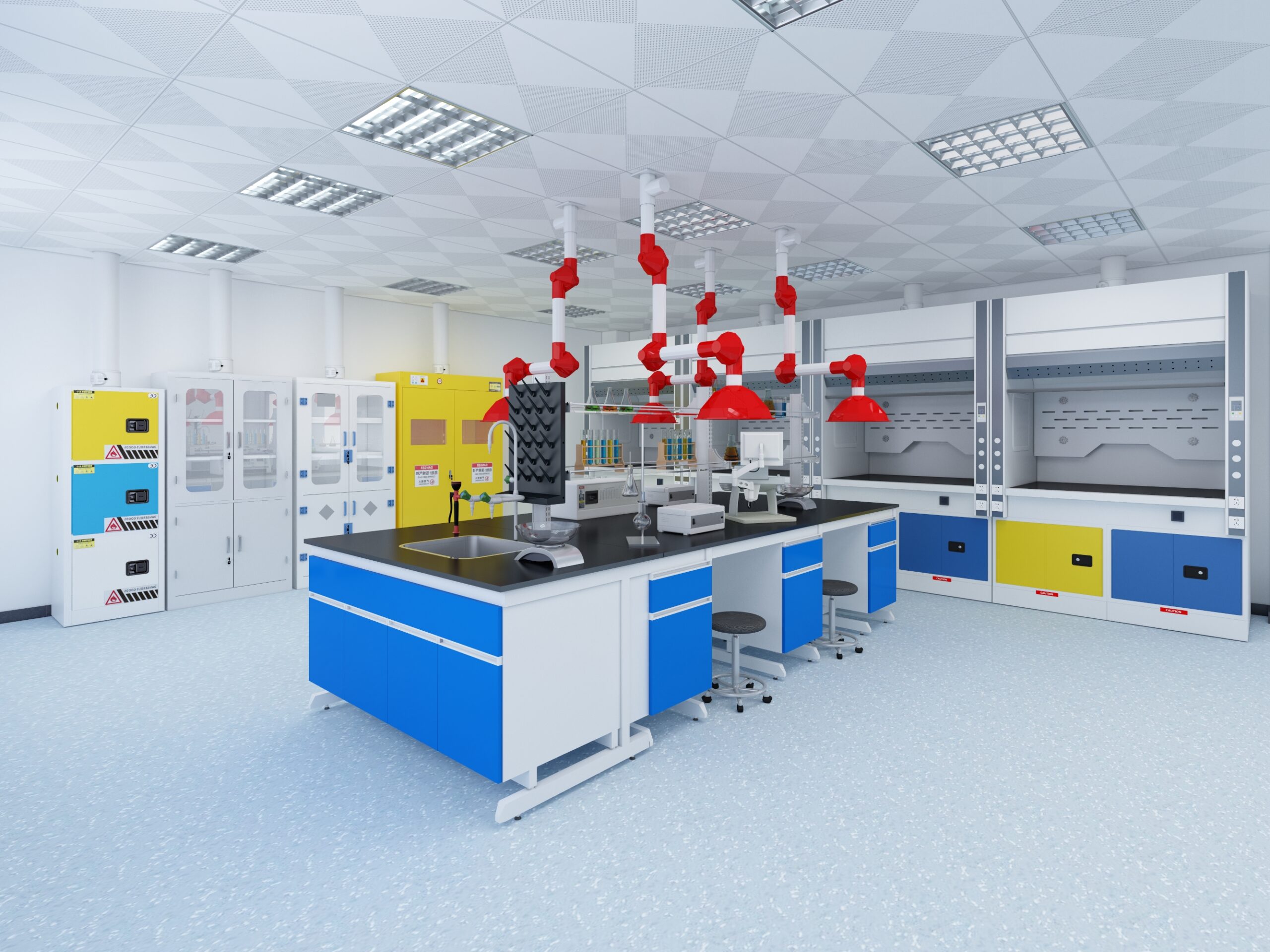
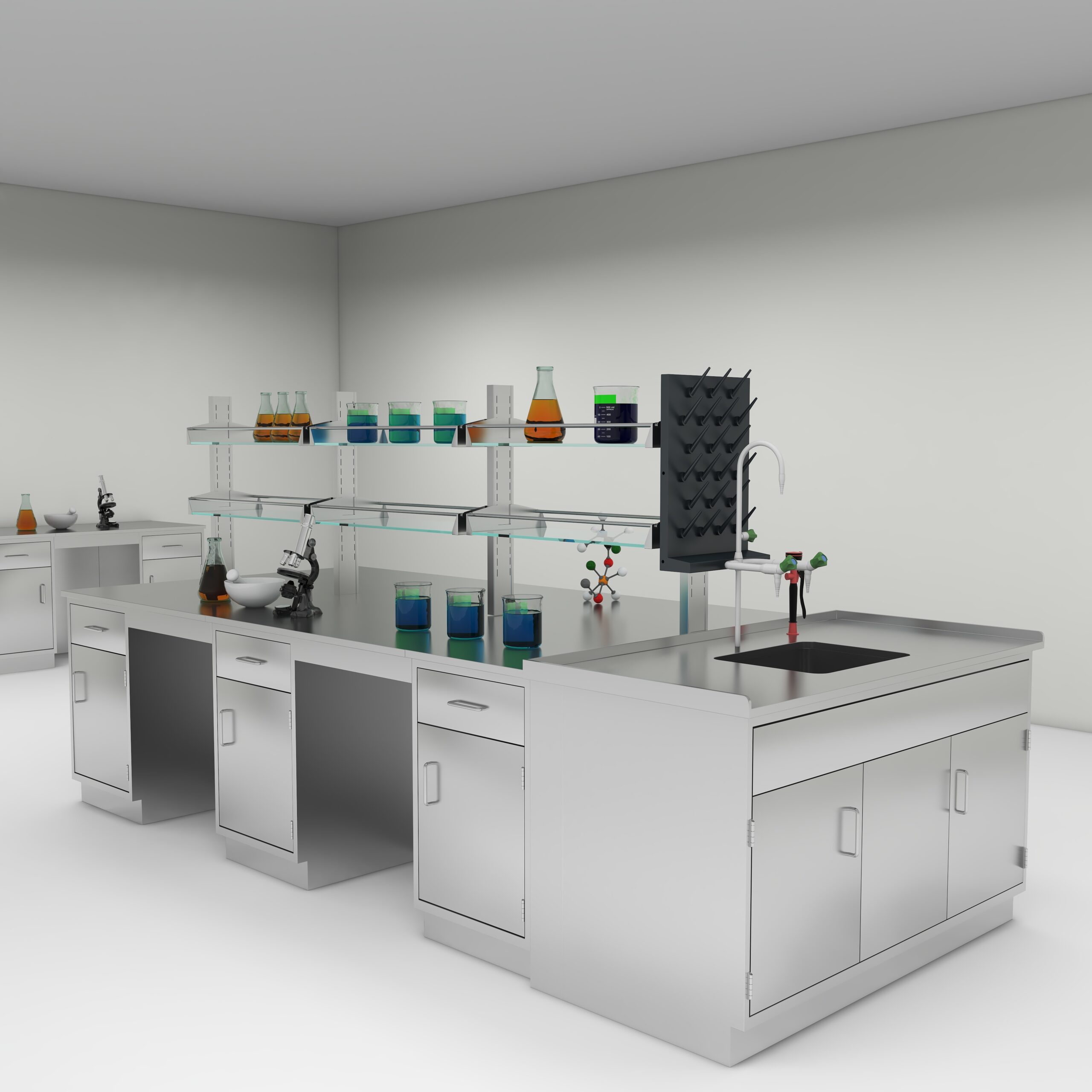
Laboratory benches are available in several structural designs to meet different laboratory workflows and environmental requirements. Choosing the appropriate laboratory bench depends on laboratory discipline, chemical resistance, load capacity and future expansion plans.
The most common laboratory bench types include wall benches, island benches, corner benches and mobile laboratory benches. Each configuration is designed to maximize laboratory efficiency while providing convenient access to utilities such as electricity, gas, water and data connections.

For research laboratories, modular laboratory benches are becoming increasingly popular because they allow flexible layouts and easier maintenance. Industrial laboratories often prefer heavy-duty laboratory benches designed for higher load capacities and continuous operation.
Laboratory Bench Materials
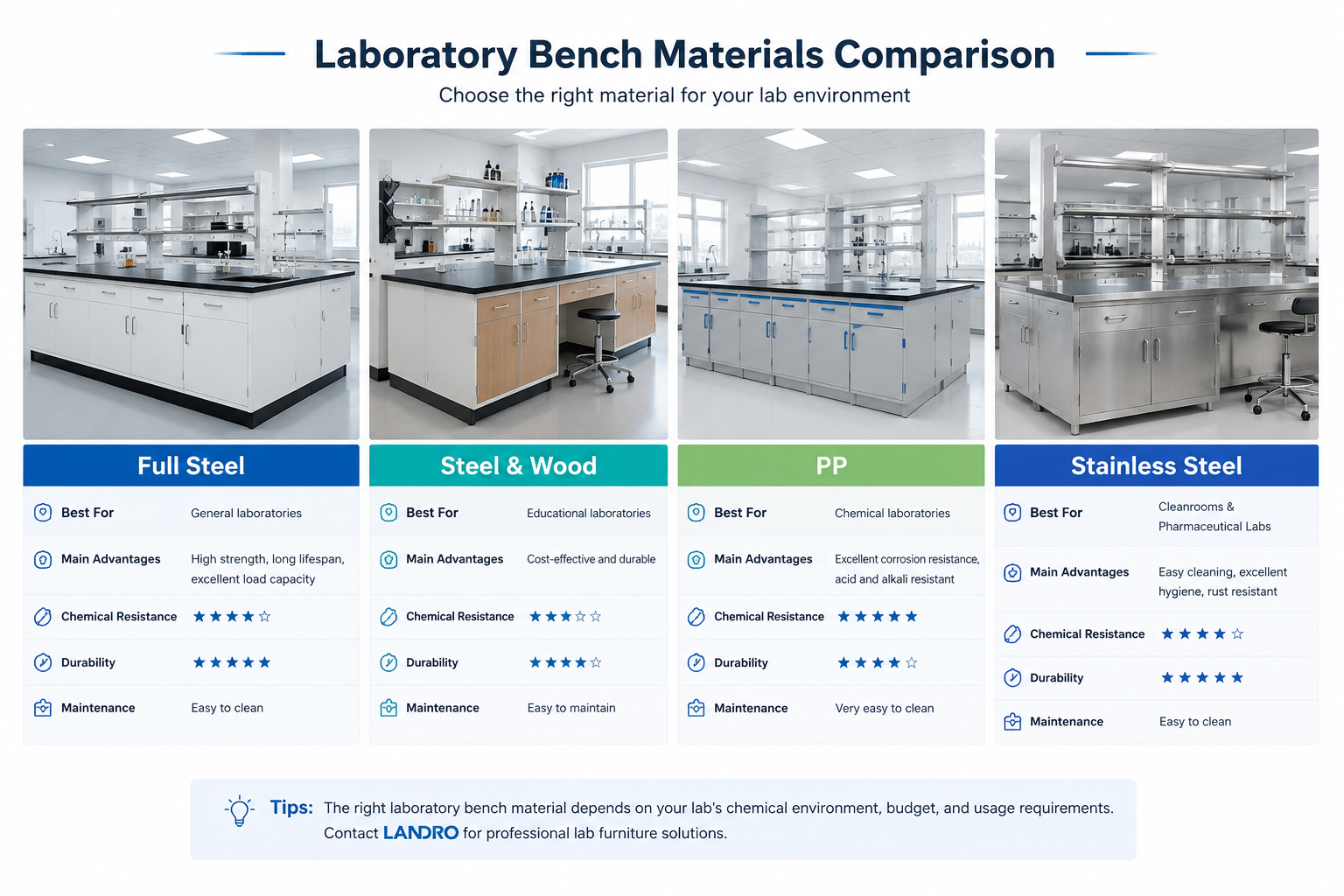
Selecting the correct laboratory bench material is one of the most important decisions during laboratory planning. Different materials provide different levels of chemical resistance, durability and maintenance requirements.
| Material | Best For | Main Advantages |
|---|---|---|
| Full Steel | General laboratories | High strength, long lifespan, excellent load capacity |
| Steel & Wood | Educational laboratories | Cost-effective and durable |
| PP | Chemical laboratories | Excellent corrosion resistance |
| Stainless Steel | Cleanrooms & Pharmaceutical Labs | Easy cleaning and excellent hygiene |
A professional laboratory bench manufacturer can also provide customized combinations of frame materials, worktops and storage systems according to laboratory requirements.
Laboratory Bench Applications
Different laboratory environments require different laboratory bench configurations. Selecting the right laboratory bench improves workflow efficiency, operator comfort and laboratory safety while ensuring compliance with industry standards.
For research laboratories, modular laboratory benches provide flexibility for changing layouts and future expansion. Educational laboratories often choose steel & wood laboratory benches because they offer an excellent balance between durability and cost. Chemical laboratories typically require PP laboratory benches due to their outstanding resistance to acids and corrosive chemicals, while pharmaceutical and cleanroom facilities prefer stainless steel laboratory benches for superior hygiene and easy cleaning.

As a professional laboratory bench manufacturer, LANDRO provides customized laboratory furniture solutions for universities, hospitals, pharmaceutical companies, testing laboratories and industrial research facilities worldwide.
Standard Laboratory Bench Dimensions
Laboratory bench dimensions vary depending on laboratory workflow, available space and equipment requirements. Proper sizing ensures comfortable operation while maximizing usable workspace.
| Item | Typical Size |
|---|---|
| Bench Height | 850–900 mm |
| Bench Depth | 750 mm |
| Wall Bench Width | 1000–3000 mm |
| Island Bench Width | 1200–1800 mm |
| Overhead Shelf Height | 700–900 mm Above Worktop |
For laboratories with special workflow requirements, laboratory benches can be fully customized, including worktop materials, cabinet layouts, utility services, sinks, reagent racks and electrical systems.
Expert Tip
When planning a new laboratory, always consider future expansion. Modular laboratory benches allow additional workstations and utilities to be integrated without replacing the entire laboratory furniture system.
Common Laboratory Bench Accessories
Modern laboratory benches are more than simple workstations. They can be equipped with a wide range of accessories to improve laboratory efficiency, organization and safety. Selecting the right accessories allows researchers to work more comfortably while keeping essential equipment within easy reach.
Common laboratory bench accessories include reagent racks, laboratory faucets, PP sinks, eyewash stations, electrical socket modules, service fixtures, drip cups, shelving systems and mobile storage cabinets. Depending on laboratory applications, additional accessories such as gas outlets, emergency shutoff valves and utility raceways can also be integrated into the laboratory bench design.
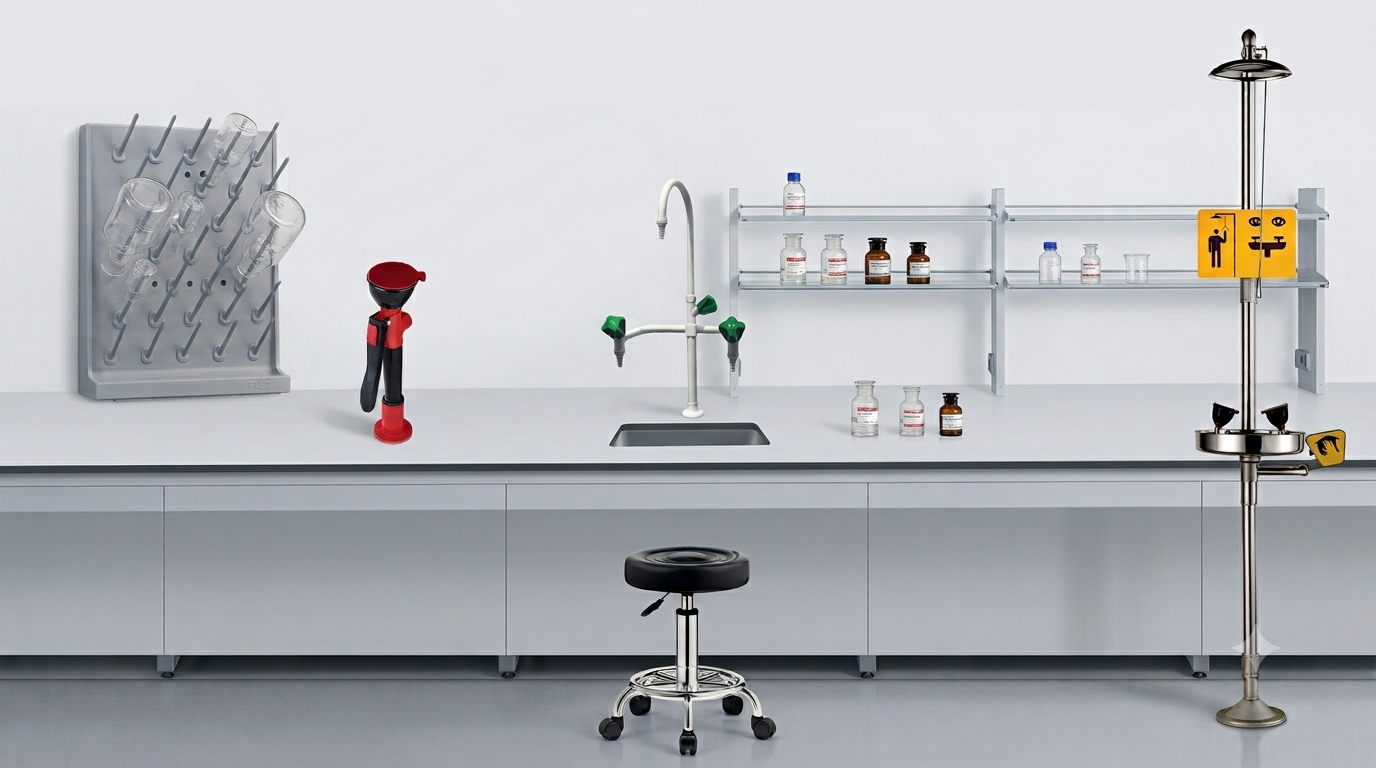
LANDRO offers fully customized laboratory bench accessories that can be integrated into new laboratory projects or existing laboratory furniture systems.
Laboratory Bench Maintenance Tips
Proper maintenance helps extend the service life of laboratory benches while maintaining a clean and safe working environment. Daily cleaning should always match the worktop material to avoid unnecessary damage.
- Clean work surfaces immediately after chemical spills.
- Use non-abrasive cleaning agents whenever possible.
- Inspect utility fixtures and service outlets regularly.
- Avoid exceeding the recommended load capacity.
- Check cabinet hinges, drawer slides and handles periodically.
- Schedule annual inspections for heavily used laboratory furniture.
Different materials require different maintenance methods. Stainless steel laboratory benches should be cleaned with non-chloride cleaners, while PP laboratory benches should avoid excessive heat exposure. Full steel laboratory benches benefit from routine inspections to protect the epoxy powder coating from scratches or impact damage.
How to Choose the Right Laboratory Bench
Choosing the right laboratory bench begins with understanding your laboratory workflow. Before selecting a laboratory bench, consider the laboratory type, available space, utility requirements, chemical exposure, equipment load and future expansion plans.
A professional laboratory bench manufacturer should provide complete design support, customized layouts and engineering consultation rather than simply supplying furniture. This ensures the laboratory furniture system will continue meeting operational requirements for many years.
LANDRO Recommendation
If your laboratory handles corrosive chemicals, choose PP laboratory benches. For pharmaceutical and cleanroom environments, stainless steel laboratory benches are recommended. For most research laboratories, full steel laboratory benches provide the best balance of durability, flexibility and long-term value.
When selecting a laboratory bench, it is also helpful to refer to recognized industry standards. Organizations such as the Scientific Equipment and Furniture Association (SEFA) publish guidelines for laboratory furniture performance, durability, and testing, helping laboratories choose products that meet professional quality requirements.