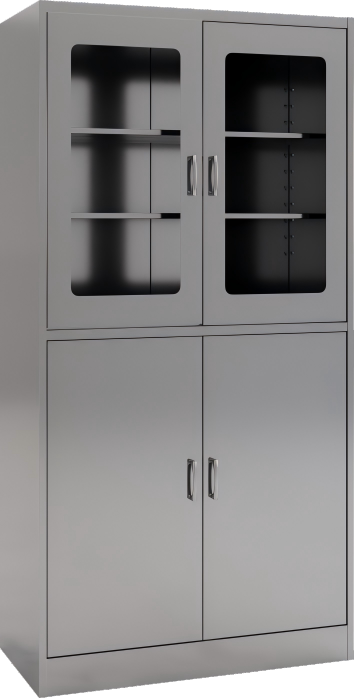
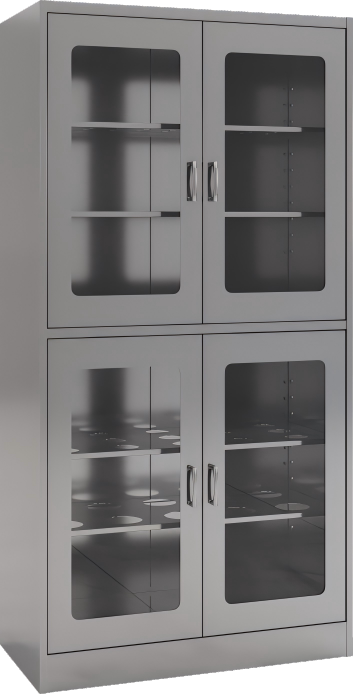
01Separate Reagents and Glassware
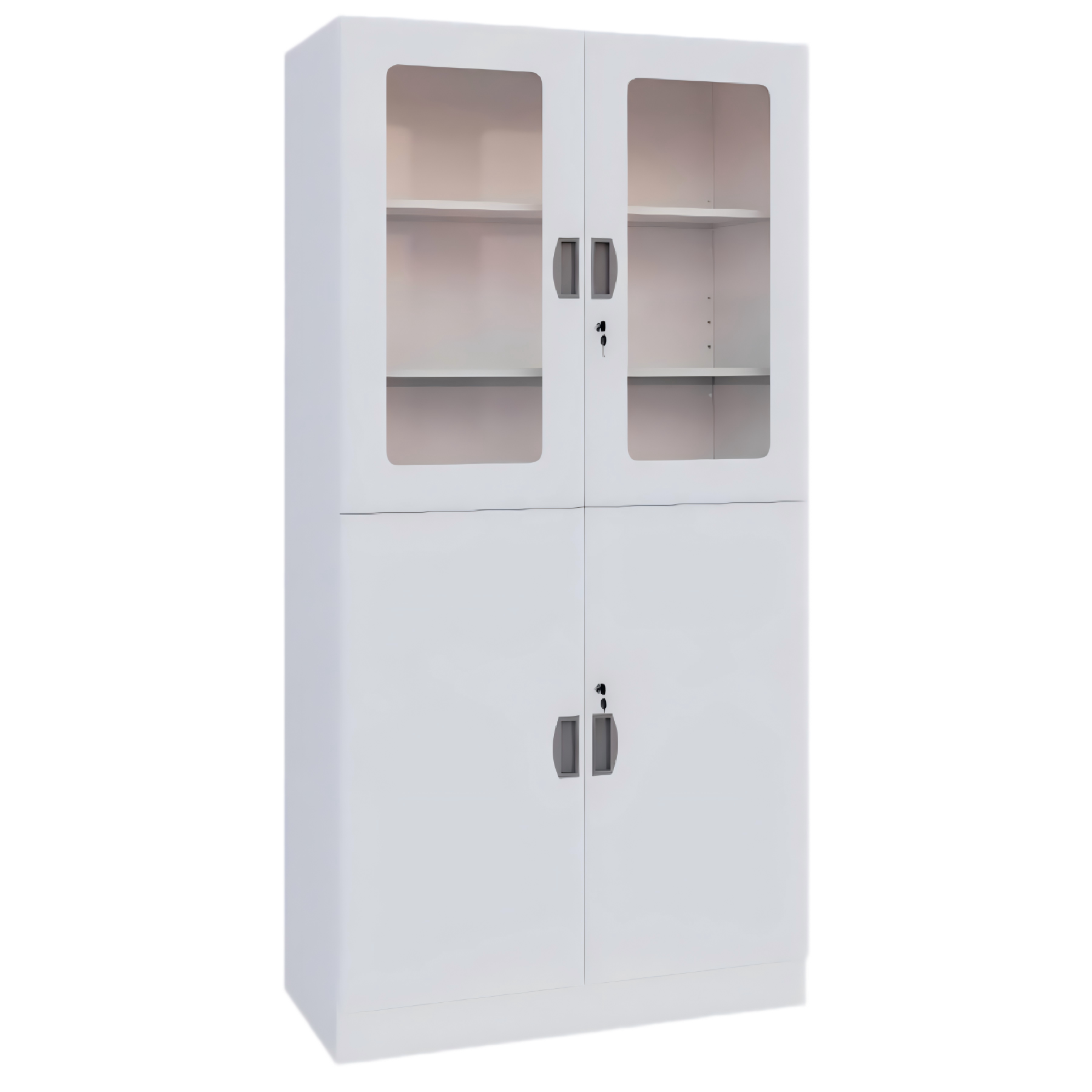
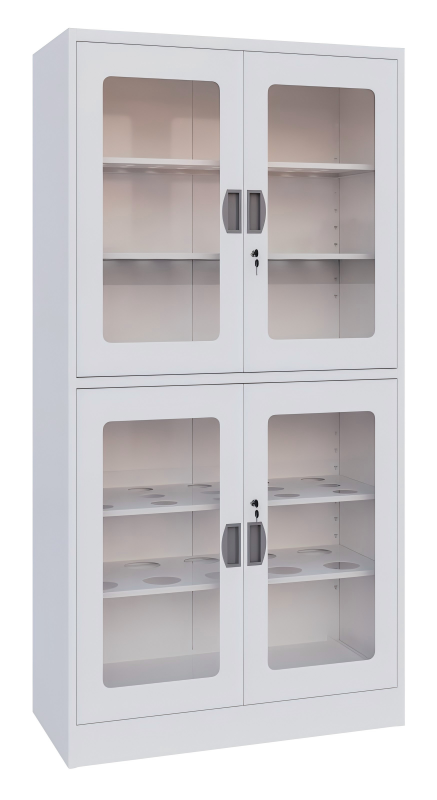
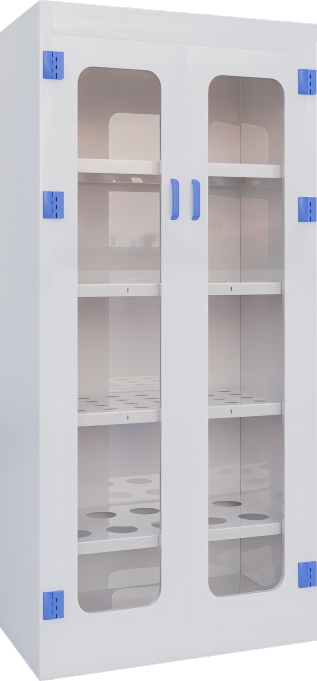
Reagent cabinets and glassware cabinets support different storage needs. Adjustable solid shelves suit containers and supplies, while ventilated or shaped shelf systems can improve organization for laboratory glassware.
02Match Materials to the Room
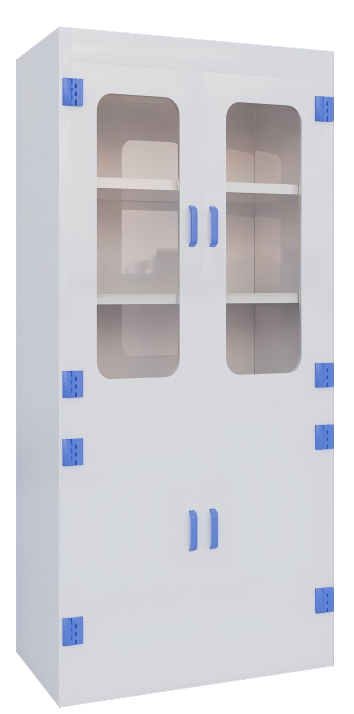
Steel lab cabinets provide durable general storage. PP cabinets suit corrosive laboratory environments, and stainless steel cabinets support frequent cleaning in healthcare, pharmaceutical and hygiene-sensitive work areas.
03Plan Doors, Shelves and Access
Confirm shelf loads, adjustable spacing, door swing and aisle clearance. Glass doors improve visibility, while solid doors conceal supplies and help protect light-sensitive contents when the storage method permits.
MATERIAL SELECTION
Laboratory Storage Cabinets in Steel, PP and Stainless Steel
Full steel laboratory cabinets are widely used for research, education and industrial testing because they offer durable construction and configurable shelves. PP reagent and glassware cabinets resist many corrosive laboratory conditions. Stainless steel cabinets provide a smooth, cleanable surface for medical, pharmaceutical and controlled environments. The selected material should match the room conditions, stored items and cleaning procedures.
PROJECT CHECKLISTWhat to Specify Before Ordering Laboratory Cabinets
Begin with a storage inventory. List reagents, glassware, instruments, consumables and container sizes. Separate chemical safety storage from general laboratory storage: flammable liquids, incompatible acids and other regulated hazards may require purpose-built safety cabinets rather than standard high cabinets. Review the OSHA laboratory safety overview with the project safety team.
Next, measure the room and define cabinet locations. Record ceiling height, wall length, door openings, windows, service panels and nearby laboratory benches. High cabinets should not block emergency equipment, ventilation grilles or maintenance access. Door swing and aisle width must allow users to retrieve items without disrupting another workstation.
Specify the internal configuration according to the stored items. Adjustable shelves allow laboratories to change storage heights as projects evolve. Glassware cabinets may use perforated or shaped shelves, drainage trays and glass doors for visibility. Reagent storage cabinets may use solid shelves, corrosion-resistant liners and controlled ventilation when supported by the storage assessment.
Finally, confirm cabinet dimensions, material thickness, shelf capacity, door type, lock, hinges, handles and surface finish. Wall anchoring and leveling are important for tall cabinets, particularly in high-traffic teaching and industrial facilities. LANDRO can manufacture custom lab cabinet widths, heights, colors and shelf layouts for universities, research institutes, pharmaceutical facilities, hospitals and industrial laboratories.
Lab Cabinet FAQs
What is the difference between reagent and glassware cabinets?
Reagent cabinets organize compatible laboratory containers and supplies, while glassware cabinets often use specialized shelves, drainage features or visible doors to support beakers, flasks and other glass items.
Which material is best for laboratory storage cabinets?
Steel suits durable general storage, PP supports many corrosive environments, and stainless steel is selected for cleanability and hygiene-sensitive applications. The room conditions and stored items determine the best choice.
Can lab cabinets be customized?
Yes. Cabinet height, width, depth, doors, locks, shelf spacing, colors and internal configurations can be customized around the laboratory layout and storage inventory.