Mail Us:Landrolab@gmail.com

How to Design a Laboratory Layout for Maximum Efficiency
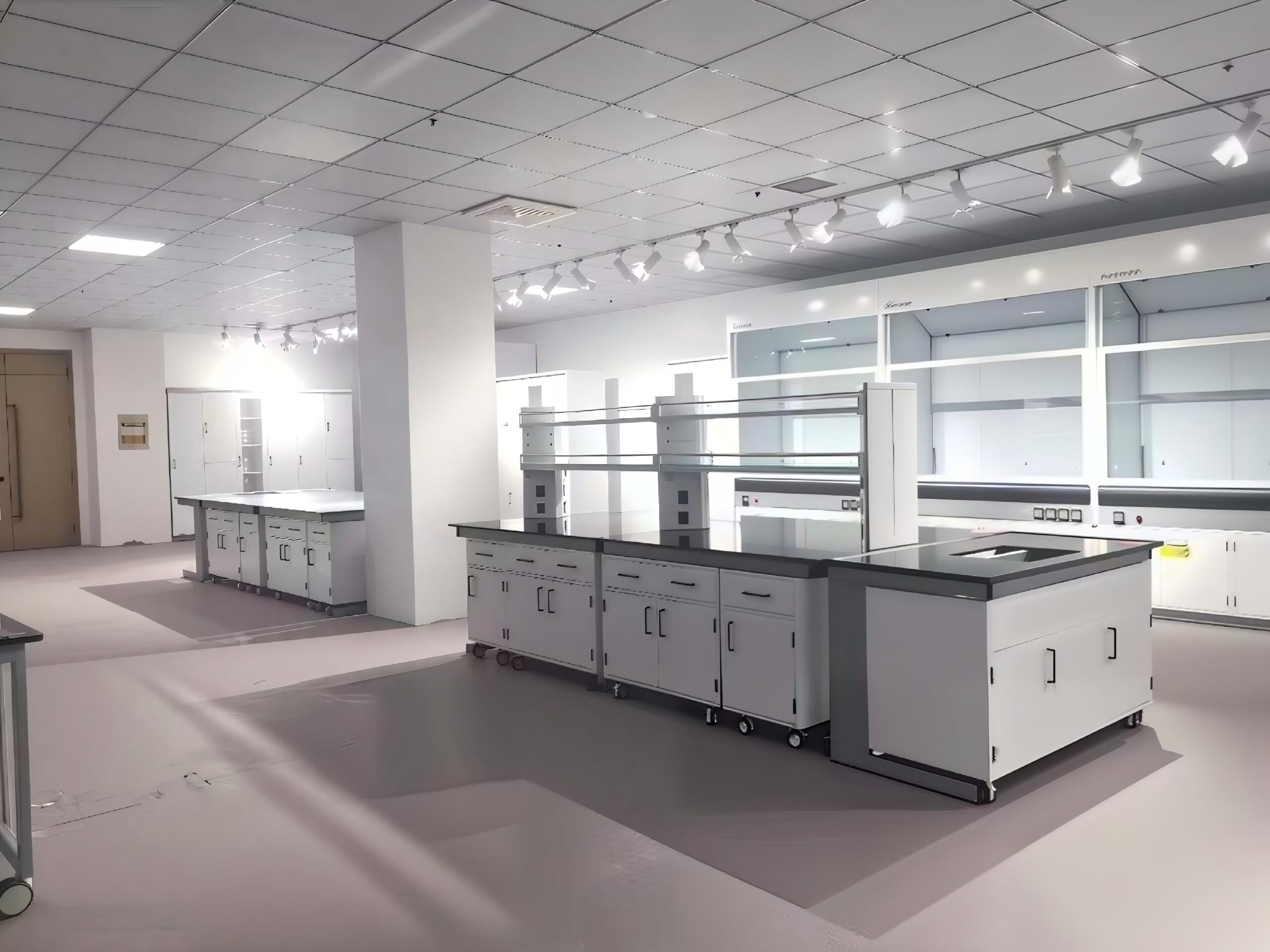
Designing an efficient laboratory layout is about more than arranging laboratory furniture. A well-planned laboratory improves workflow, enhances safety, maximizes available space, and supports future expansion. This guide explains the essential principles of laboratory layout design and how the right laboratory furniture can create a safer and more productive working environment.
Introduction
Laboratory layout planning is one of the most important decisions during the construction or renovation of any laboratory. While many organizations focus on selecting advanced analytical instruments or high-quality laboratory furniture, the overall layout determines how efficiently people, equipment, and materials interact throughout daily operations.
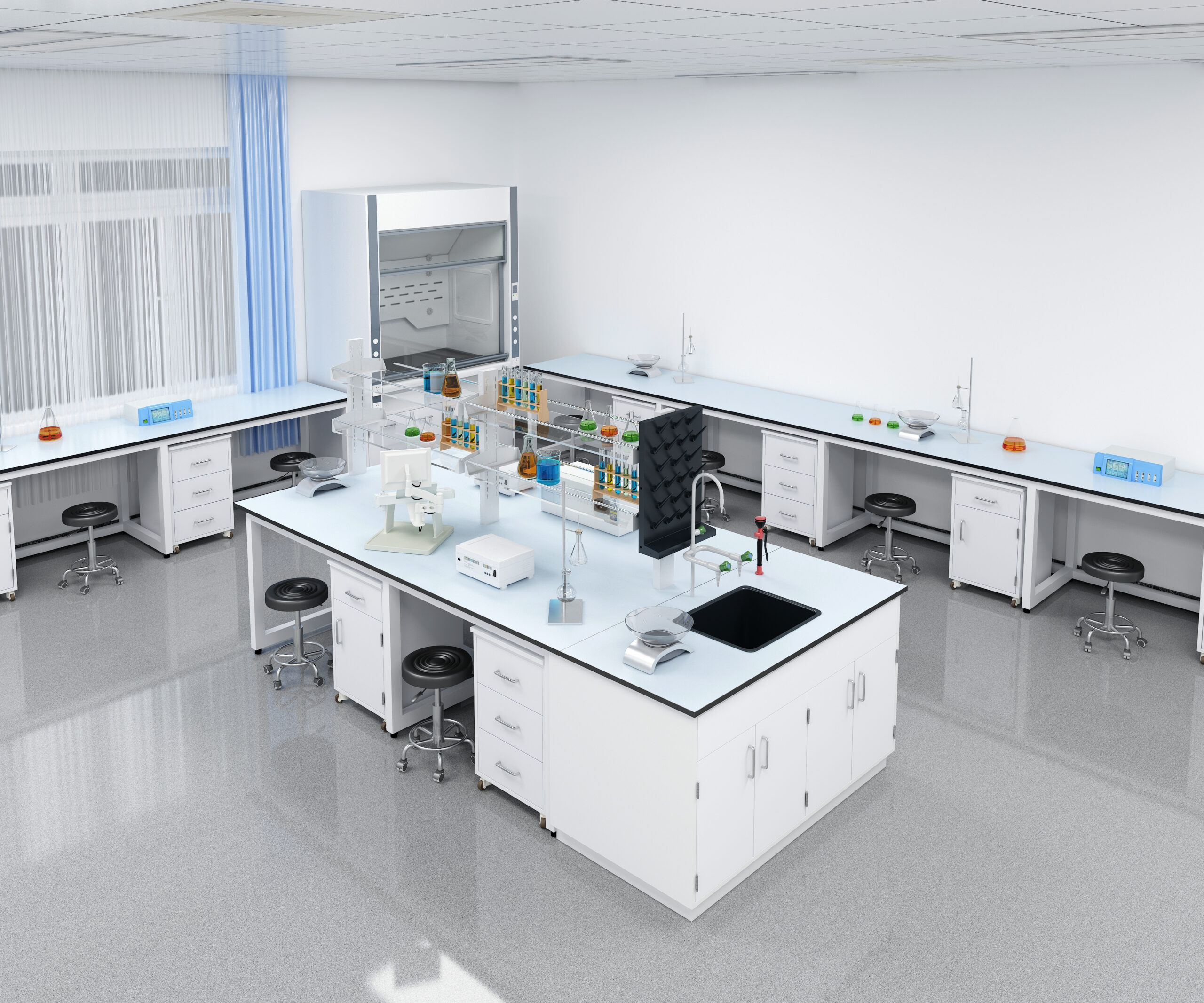
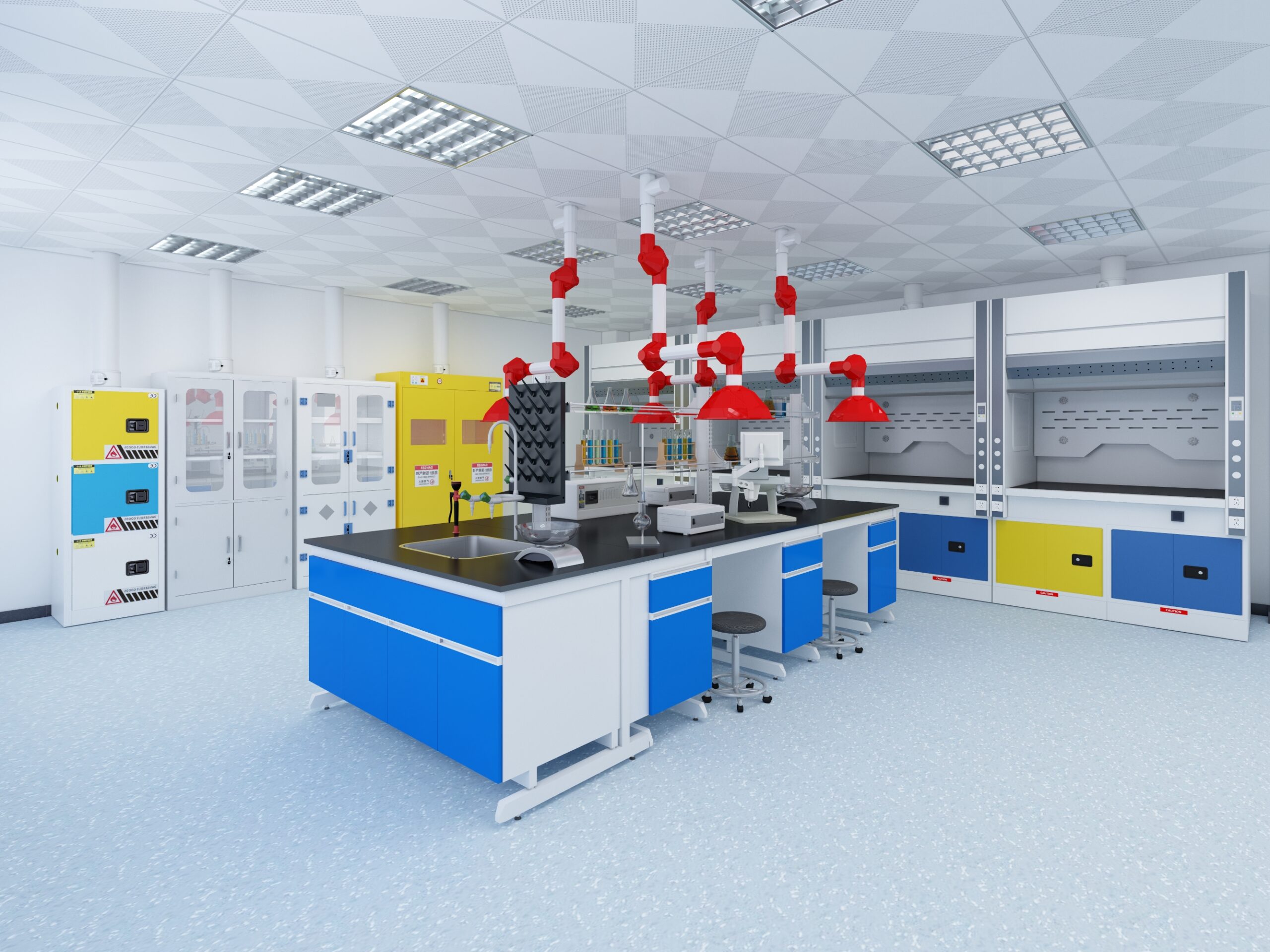
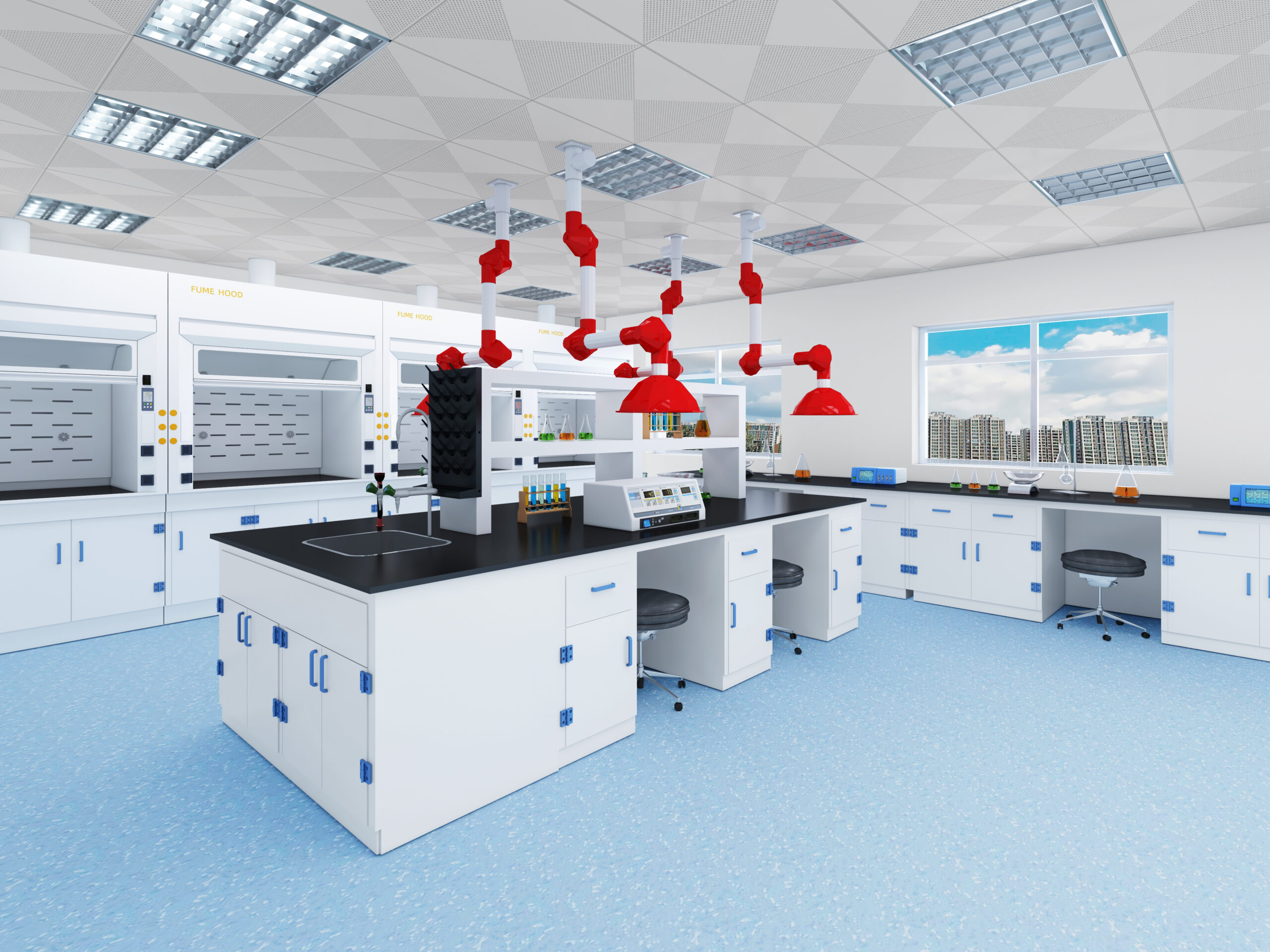
An effective laboratory layout is designed around workflow rather than available space. Every laboratory has unique operational requirements, but the goal remains the same: to create a workspace that improves productivity, enhances safety, and supports future growth. From laboratory benches and storage cabinets to fume hoods and utility systems, every element should contribute to a logical and efficient working environment.
In this guide, we'll explain the fundamental principles of laboratory layout design, discuss common planning mistakes, and show how selecting the right laboratory furniture can help laboratories achieve better long-term performance.
Quick Answer
A successful laboratory layout begins with workflow rather than furniture placement. By organizing preparation, testing, storage, and cleaning areas into logical working zones, laboratories can improve productivity, reduce unnecessary movement, and create a safer environment for researchers and technicians.
Why Laboratory Layout Is More Important Than You Think
Laboratory productivity depends on far more than advanced equipment. Even laboratories equipped with high-quality analytical instruments can experience poor efficiency when the workspace is not properly organized. A poorly designed laboratory often forces technicians to walk unnecessary distances, share overcrowded workstations, or interrupt experiments simply to access storage or equipment.
An effective laboratory layout creates a logical sequence of work from sample preparation to analysis and storage. Every workstation should support the natural workflow rather than interrupt it. When laboratory furniture, equipment, and utility services are positioned correctly, researchers spend less time moving around the laboratory and more time focusing on experiments.
Good laboratory planning also improves safety. Proper spacing between laboratory benches, clearly separated chemical storage areas, and adequate access to emergency equipment all contribute to a safer working environment while helping laboratories comply with modern safety standards.
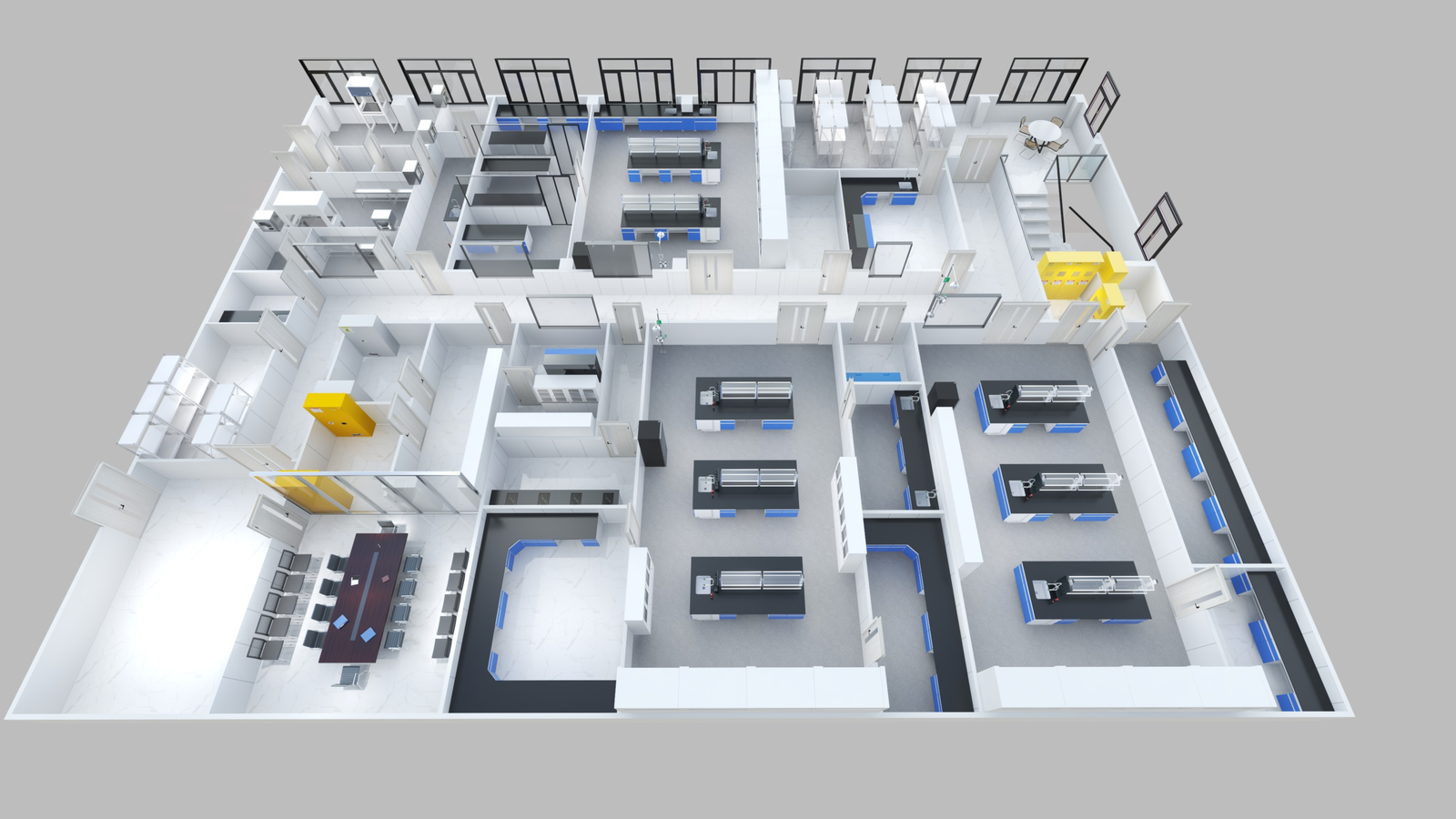
Start with Workflow Instead of Furniture
One of the biggest mistakes during laboratory planning is purchasing furniture before understanding how the laboratory will operate. Furniture should always support the laboratory's daily activities rather than determine them.
Every laboratory follows a process. Samples arrive, are prepared, analyzed, documented, and finally stored or disposed of. These activities should flow naturally from one work area to the next without unnecessary crossing paths or repeated movement.
For example, placing sample preparation stations adjacent to analytical instruments reduces transportation time and minimizes contamination risks. Storage cabinets should remain easily accessible while staying clear of major traffic routes, ensuring laboratory staff can retrieve supplies without interrupting ongoing experiments.
When workflow becomes the foundation of laboratory planning, selecting laboratory benches, storage cabinets, and fume hoods becomes much easier because every piece of furniture has a clearly defined purpose.
Create Dedicated Functional Zones
Modern laboratories rarely perform only one task. Most facilities combine research, preparation, testing, documentation, and storage within the same environment. Dividing the laboratory into dedicated functional zones helps prevent congestion while improving operational efficiency.
Preparation areas should provide generous work surfaces and convenient access to water and electrical outlets. Testing areas require stable laboratory benches capable of supporting analytical equipment without vibration. Storage areas should remain organized and positioned close enough to workstations to reduce unnecessary walking while remaining outside the primary experimental zone.
Separating these functions also improves laboratory safety by minimizing cross-contamination and keeping hazardous materials away from high-traffic areas.
Choosing Laboratory Furniture That Supports Future Growth
Laboratory furniture is a long-term investment, making flexibility just as important as durability. Laboratories often expand their equipment or modify workflows over time, so furniture should be capable of adapting to future requirements.
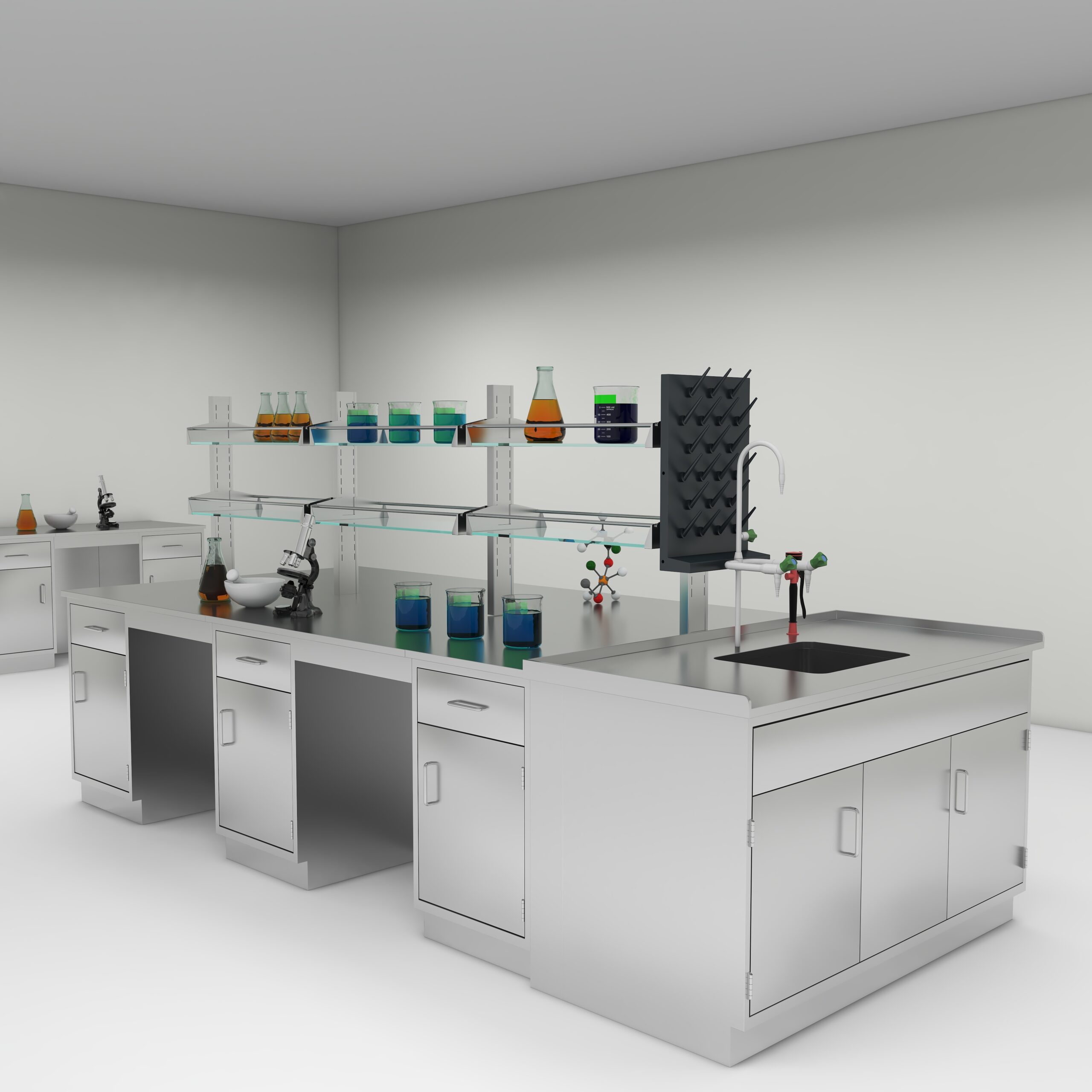
Modular laboratory benches provide greater flexibility because storage units, reagent racks, electrical systems, and accessories can be upgraded without replacing the complete workstation. For laboratories handling corrosive chemicals, PP laboratory furniture or stainless steel workstations may provide better long-term performance. Universities and research facilities often prefer Full Steel Laboratory Bench because they combine durability with easy maintenance.
Selecting furniture based on both current operations and future expansion helps laboratories avoid unnecessary renovation costs while extending the service life of the entire laboratory.
Small Design Decisions Can Have a Big Impact
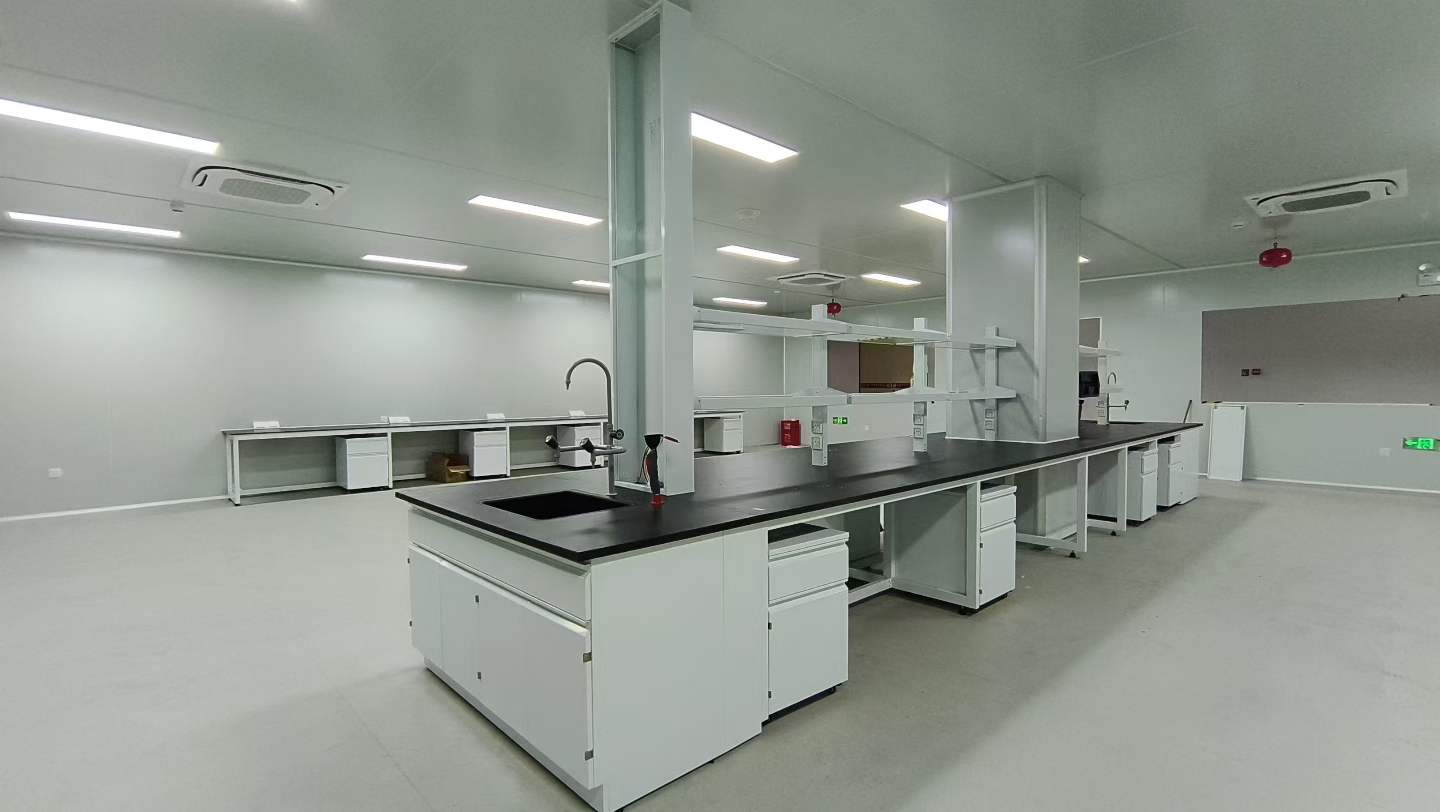
Many laboratory managers focus primarily on equipment specifications while overlooking everyday operational details. However, simple design decisions—such as increasing aisle width, improving storage accessibility, or positioning frequently used equipment closer to workstations—can significantly improve efficiency.
Lighting, ventilation, utility routing, and furniture placement should work together as a complete system rather than individual components. A laboratory that feels comfortable to work in usually performs better over the long term because staff can complete tasks more efficiently with fewer interruptions.
Successful laboratory design is therefore not simply about filling available space with furniture. It is about creating an environment that supports productivity, safety, collaboration, and future growth.
The most successful laboratory projects begin with workflow analysis rather than furniture selection. Before purchasing laboratory benches or storage systems, map how samples, personnel, and equipment move throughout the laboratory. This simple planning exercise often identifies opportunities to improve efficiency without increasing project costs.
When planning laboratory layouts, designers should also consider recommendations from ASHRAE – Laboratory Design & Ventilation Resources
Frequently Asked Questions
Which laboratory bench lasts longer?
Full steel laboratory benches generally have a longer service life because they offer superior resistance to corrosion, moisture, and heavy daily use.
Is a steel wood laboratory bench suitable for chemical laboratories?
Yes. It is suitable for general chemical laboratories with moderate chemical exposure, but highly corrosive environments usually require full steel furniture.
Which laboratory bench is easier to maintain?
Full steel laboratory benches require less maintenance because their epoxy-coated steel surfaces are easy to clean and highly durable.
Can both laboratory benches use the same countertop?
Yes. Both systems can be fitted with epoxy resin, phenolic resin, ceramic, stainless steel, or PP countertops depending on laboratory requirements.
Which option is more cost-effective?
Steel wood laboratory benches have a lower initial purchase cost, while full steel laboratory benches often provide a lower total cost of ownership over their longer service life.
READY TO PLAN YOUR LAB?
Partner with Landro’s engineering team to build a safe, efficient, and fully compliant research environment.
-
✓
Free Consultation — Discuss your workflow and spatial constraints with experts.
-
✓
Compliance Assured — Standardized designs passing SEFA & ASHRAE audits.
-
✓
3D Concept Preview — Visualize your laboratory before committing to construction.