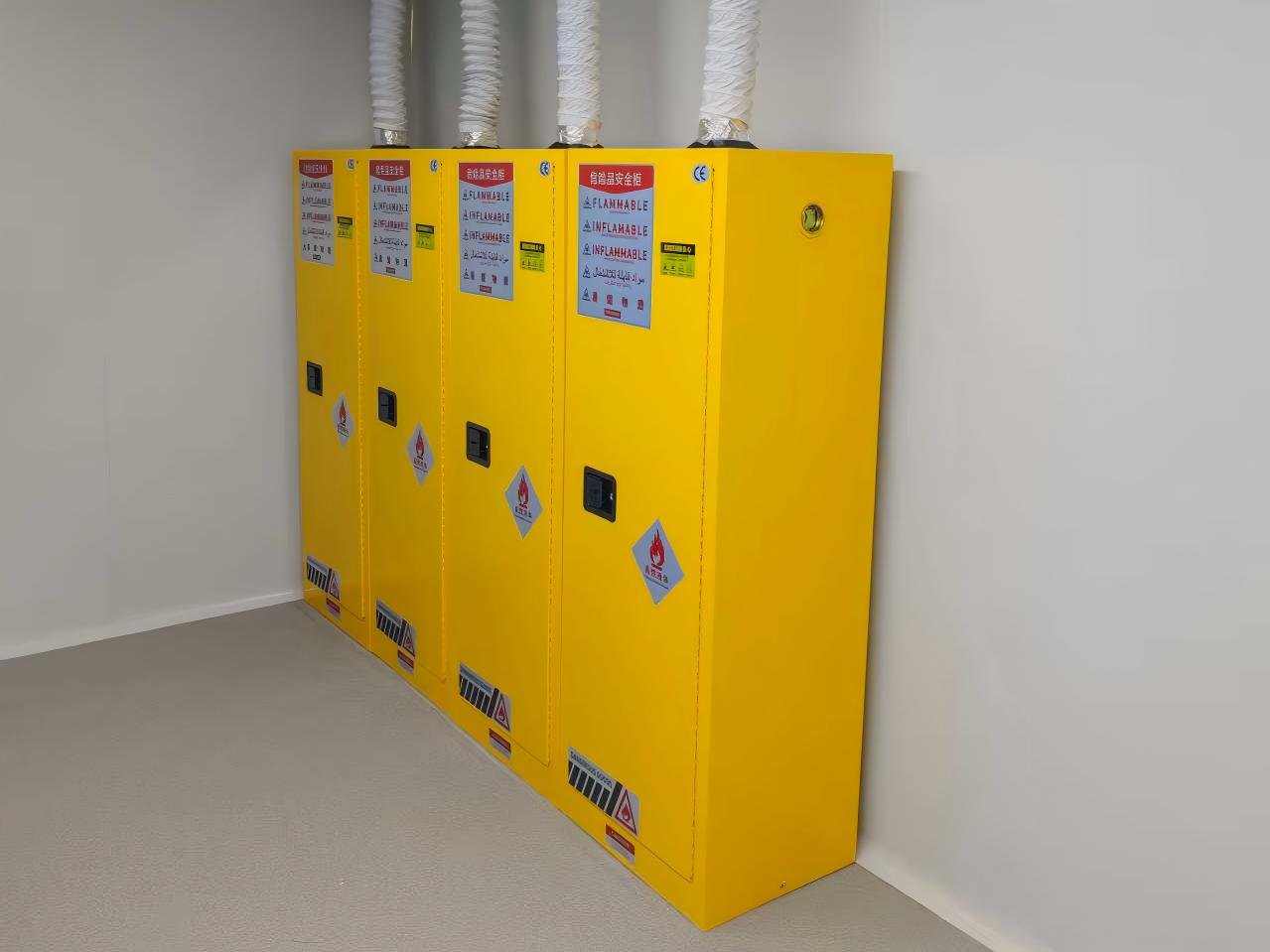
Chemical Storage Cabinet

Chemical Storage Cabinet: Safe Storage Solutions for Laboratory Chemicals

Chemical storage cabinets provide safe and organized storage solutions for laboratory chemicals, reagents, and corrosive substances. LANDRO offers steel and PP chemical storage cabinets designed for laboratories, research facilities, universities, and industrial applications.

Introduction

Chemical storage is an important part of laboratory safety management. Laboratories often handle different types of chemicals, including acids, alkalis, solvents, and reagents, which require suitable storage conditions to reduce risks and maintain an organized working environment.

Unlike standard laboratory cabinets, chemical storage cabinets are designed with specific materials and structures to improve chemical resistance and storage reliability. The right cabinet selection depends on the type of chemicals, laboratory environment, and daily operating requirements.

From general reagent storage to corrosive chemical applications, laboratories need storage solutions that balance safety, durability, and practical use. Selecting the correct material and cabinet design can help improve laboratory efficiency while extending the service life of storage equipment.

Quick Answer

A chemical storage cabinet is a laboratory storage solution designed for safely storing chemicals, reagents, acids, alkalis, and solvents. Steel and PP chemical storage cabinets provide different levels of protection according to laboratory requirements.

What Are the Main Types of Chemical Storage Cabinets?

Chemical storage cabinets are mainly selected according to the properties of stored chemicals and the laboratory environment.

Steel Chemical Storage Cabinet

Steel chemical storage cabinets are commonly used in general laboratory environments where standard chemical storage requirements apply.

The cabinet structure is usually manufactured from cold rolled steel with epoxy powder coating, providing good durability, surface protection, and resistance to daily laboratory use.

Steel chemical storage cabinets are suitable for universities, research laboratories, testing facilities, and industrial laboratories that require reliable storage for general chemicals and laboratory supplies.

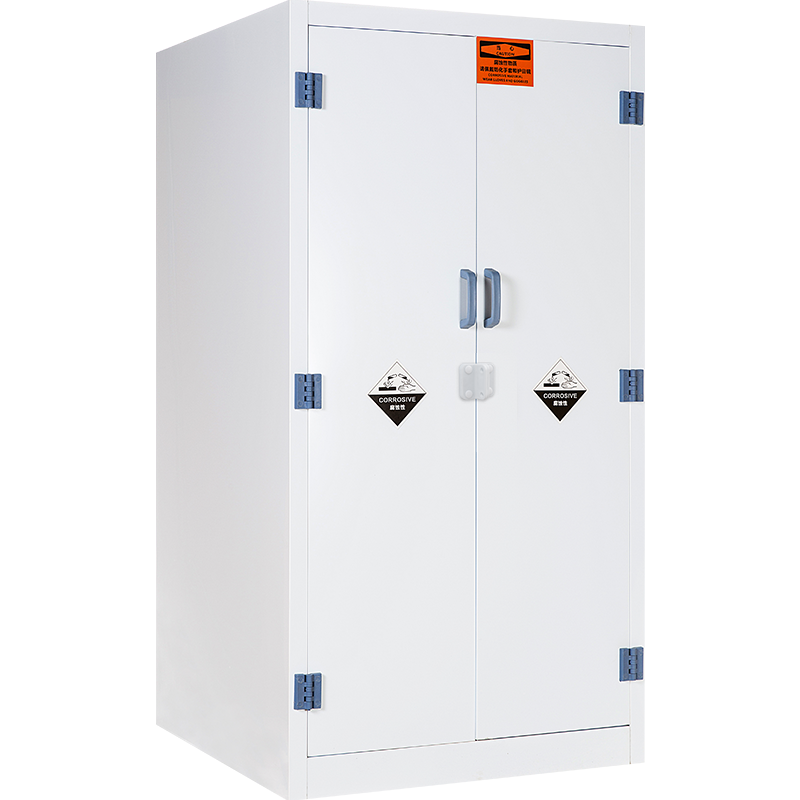
PP Chemical Storage Cabinet

PP chemical storage cabinets are designed for laboratories that handle corrosive chemicals such as strong acids and alkalis.

Polypropylene provides excellent chemical resistance compared with traditional metal structures, making it suitable for environments where chemical exposure is frequent.

PP chemical storage cabinets are commonly used in chemical analysis laboratories, research facilities, and laboratories requiring higher corrosion resistance.

Material Chemical Resistance Recommended Applications Advantages
Steel Good General laboratory chemical storage Strong structure, durable coating, cost-effective
PP (Polypropylene) Excellent Acid, alkali and corrosive chemical storage Superior corrosion resistance

Applications of Chemical Storage Cabinets

Chemical Laboratories

Chemical laboratories use storage cabinets to organize different types of reagents, solvents, and chemical containers. Suitable storage solutions help create a safer and more efficient working environment.

Universities and Research Institutes

Educational and research laboratories require reliable chemical storage systems to support experiments and daily laboratory activities. Customized cabinet designs can help laboratories manage different storage requirements.

Pharmaceutical and Testing Laboratories

Pharmaceutical and industrial testing laboratories often require organized chemical management during research, quality control, and analysis processes. Chemical storage cabinets provide practical solutions for maintaining laboratory workflow.

Expert Tips

When selecting a chemical storage cabinet, laboratories should consider more than the initial purchase cost. Material compatibility, durability, maintenance requirements, and long-term performance are important factors that affect the total value of the equipment.

For laboratories with different chemical applications, choosing the correct cabinet material is essential. Steel cabinets are suitable for general chemical storage, while PP cabinets provide better performance in corrosive environments.

Working with an experienced laboratory furniture manufacturer can help ensure the cabinet design meets actual laboratory requirements.

When preparing to purchase chemical storage cabinets, you should refer to U.S. Department of Labor – Laboratory chemical safety guidelines

Frequently Asked Questions

What is a chemical storage cabinet used for?

A chemical storage cabinet is used to safely store laboratory chemicals, reagents, solvents, acids, and alkalis while improving laboratory organization and safety.

Which material is better for chemical storage cabinets?

The best material depends on the chemical application. Steel cabinets are suitable for general storage, while PP cabinets are recommended for corrosive chemical environments.

What is the difference between a chemical storage cabinet and a regular cabinet?

Chemical storage cabinets are designed with specific materials and structures to improve chemical resistance and provide safer storage compared with ordinary cabinets.

Can chemical storage cabinets be customized?

Yes. Chemical storage cabinets can be customized according to laboratory space, storage requirements, material selection, and configuration needs.

Do chemical storage cabinets require ventilation?

Ventilation requirements depend on the type of chemicals being stored and laboratory safety regulations. Some chemical storage applications may require additional ventilation solutions.

READY TO PLAN YOUR LAB?

Partner with Landro’s engineering team to build a safe, efficient, and fully compliant research environment.

  • Free Consultation — Discuss your workflow and spatial constraints with experts.
  • Compliance Assured — Standardized designs passing SEFA & ASHRAE audits.
  • 3D Concept Preview — Visualize your laboratory before committing to construction.

Leave a Reply

Your email address will not be published. Required fields are marked *