laboratory ventilation system

Laboratory Ventilation System Design Guide: Principles, Components and Best Practices

A well-designed laboratory ventilation system supports laboratory safety, protects personnel, and improves daily operational efficiency. By integrating ventilation planning with laboratory furniture and equipment layout, laboratories can create safer and more productive working environments while preparing for future expansion. Laboratory ventilation safety recommendations

Introduction

An effective laboratory ventilation system is one of the most important factors in creating a safe and productive laboratory. Whether handling chemicals, biological samples, or sensitive testing procedures, proper airflow protects personnel, maintains air quality, and supports reliable experimental results.

Modern laboratory ventilation is more than installing exhaust fans. It requires careful planning of airflow patterns, fume hood placement, fresh air supply, and equipment layout to create a balanced and energy-efficient environment. This guide explains the essential principles of laboratory ventilation design and how to choose the right solution for different laboratory applications.

Quick Answer

A laboratory ventilation system should provide consistent airflow, remove hazardous fumes, maintain indoor air quality, and work together with laboratory furniture and fume hoods. Proper ventilation improves laboratory safety, protects equipment, and creates a healthier working environment.

Why Laboratory Ventilation Is Essential

A laboratory ventilation system is responsible for much more than keeping the room comfortable. It continuously removes airborne contaminants while introducing fresh air to maintain a safe working environment.

Poor ventilation can lead to chemical exposure, unstable testing conditions, unpleasant odors, and higher safety risks. For laboratories handling hazardous substances, an efficient ventilation system is often a basic operational requirement rather than an optional upgrade.

Main Components of a Laboratory Ventilation System

Laboratory Fume Hoods

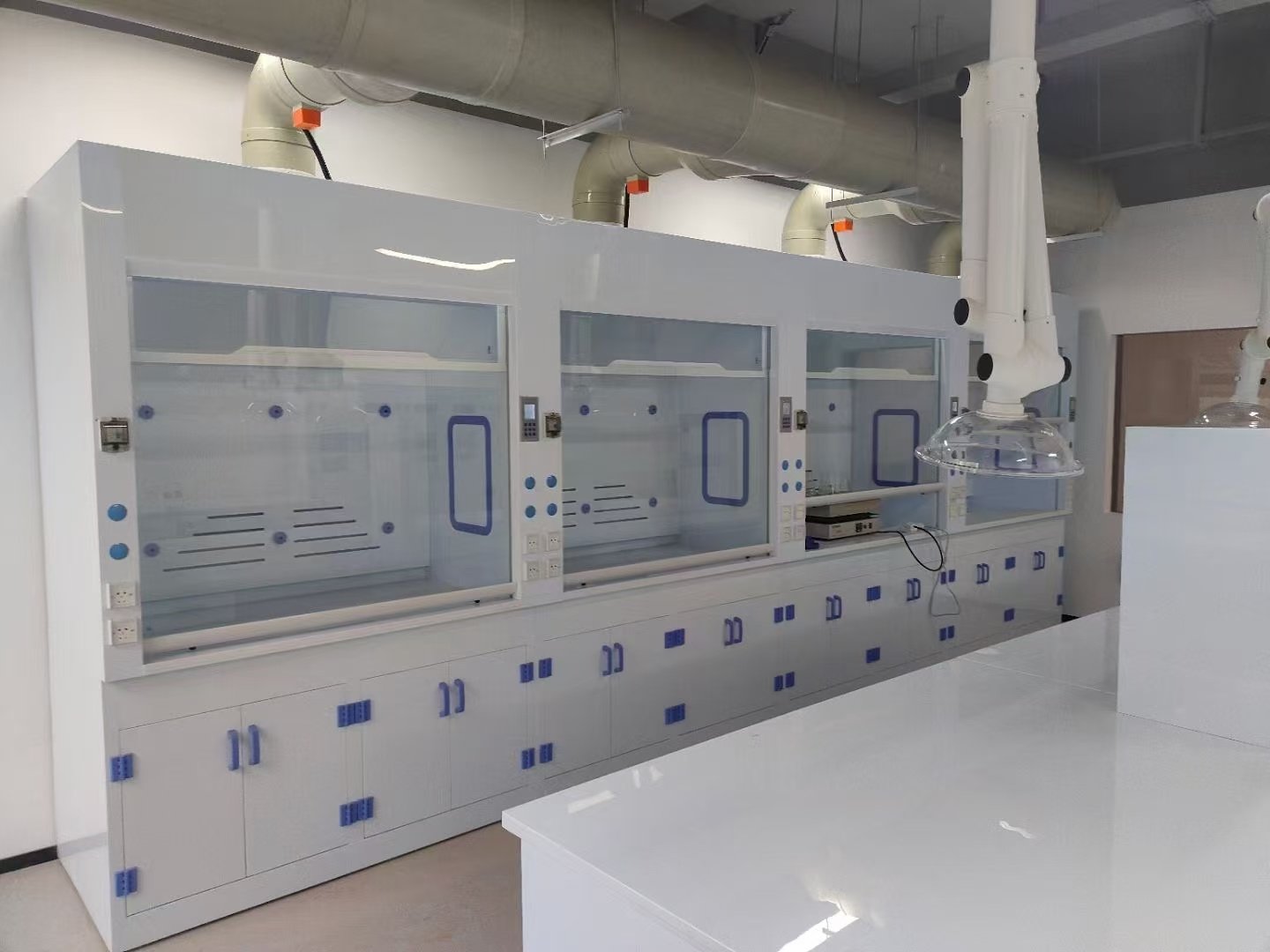
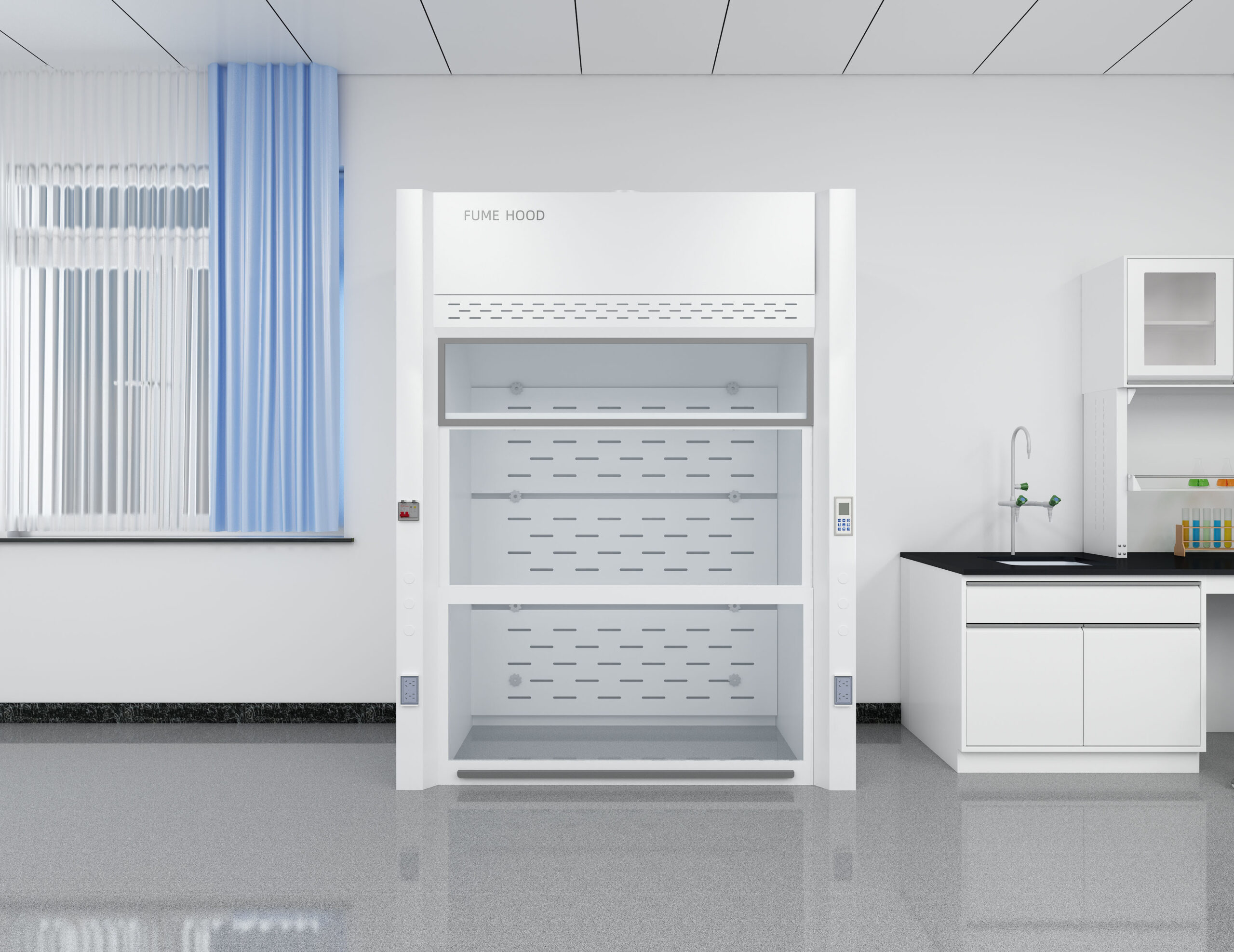
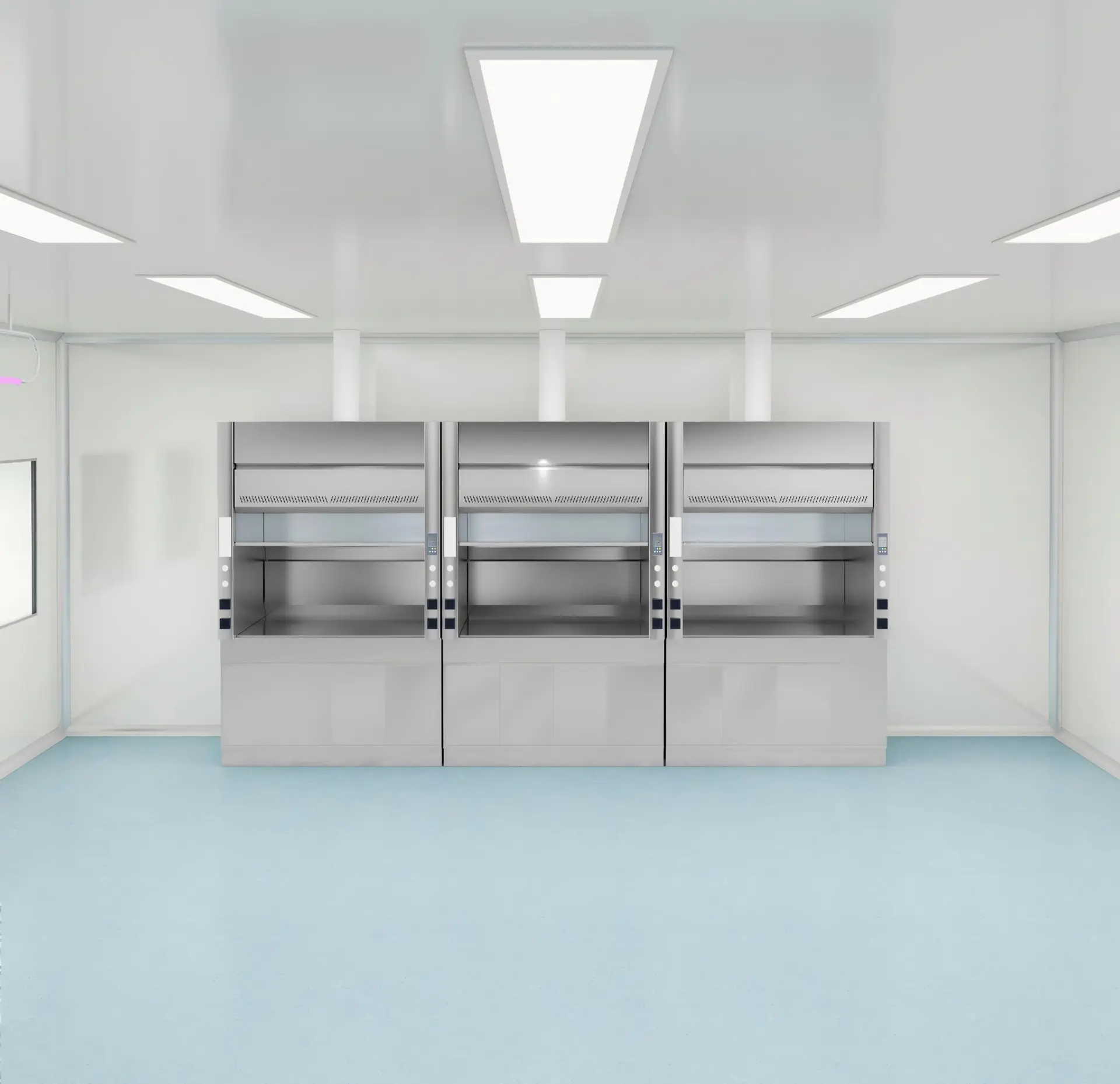
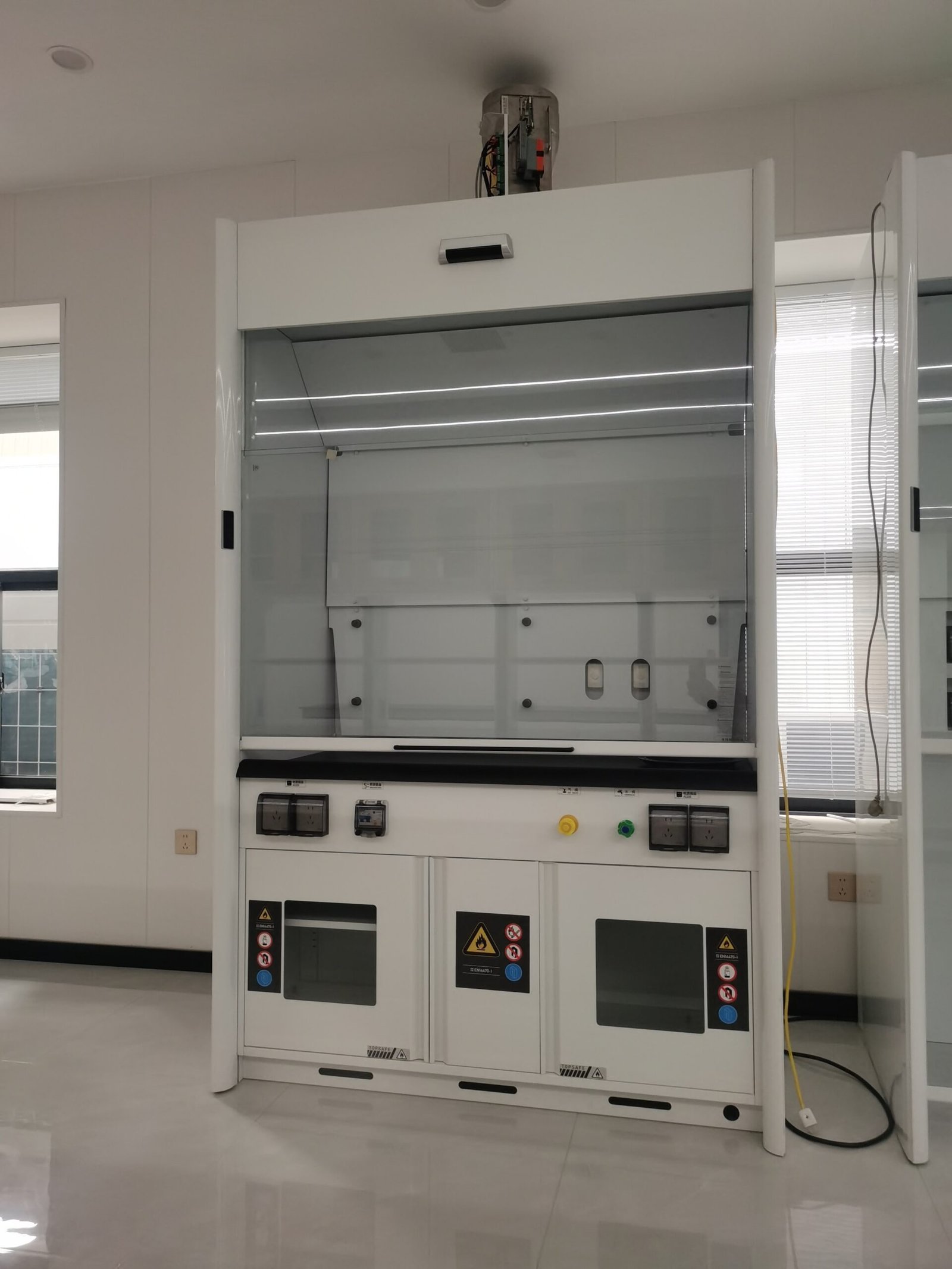
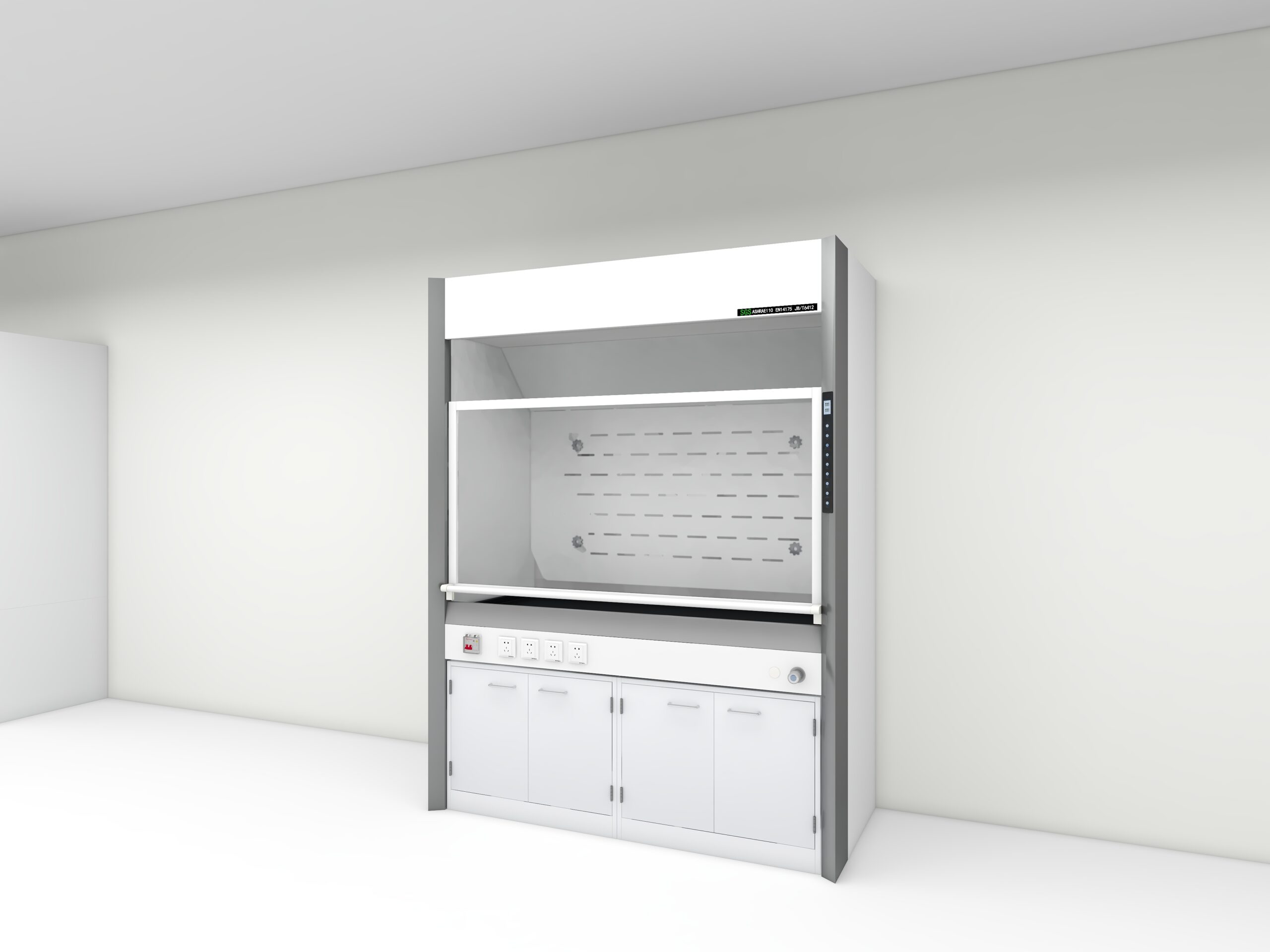
Fume hoods capture hazardous vapors directly at the source and prevent contaminants from entering the laboratory environment. Their performance depends not only on the hood itself but also on the overall ventilation design.

Fresh Air Supply

Every laboratory requires a controlled supply of clean air to replace exhausted air. Balanced airflow helps maintain comfortable working conditions while supporting safe laboratory operations.

Exhaust System

The exhaust system removes contaminated air from the laboratory through ductwork and exhaust fans. Proper exhaust capacity ensures that airborne hazards are safely discharged.
Common Ventilation Design Mistakes

One of the most common mistakes is placing fume hoods near doors or frequently used walkways, where changing airflow can reduce containment performance.

Another issue is underestimating future laboratory expansion. As new equipment is added, ventilation capacity should be able to adapt without requiring major reconstruction.

Typical Applications

Chemical Laboratories

Ventilation systems safely remove corrosive vapors and hazardous gases generated during chemical experiments.

Pharmaceutical Laboratories

Stable airflow supports product quality while helping maintain controlled laboratory conditions.

Chemical Laboratories

Ventilation systems safely remove corrosive vapors and hazardous gases generated during chemical experiments.

University Laboratories

Teaching laboratories require reliable ventilation that balances safety, comfort, and operating costs.

Expert Tips

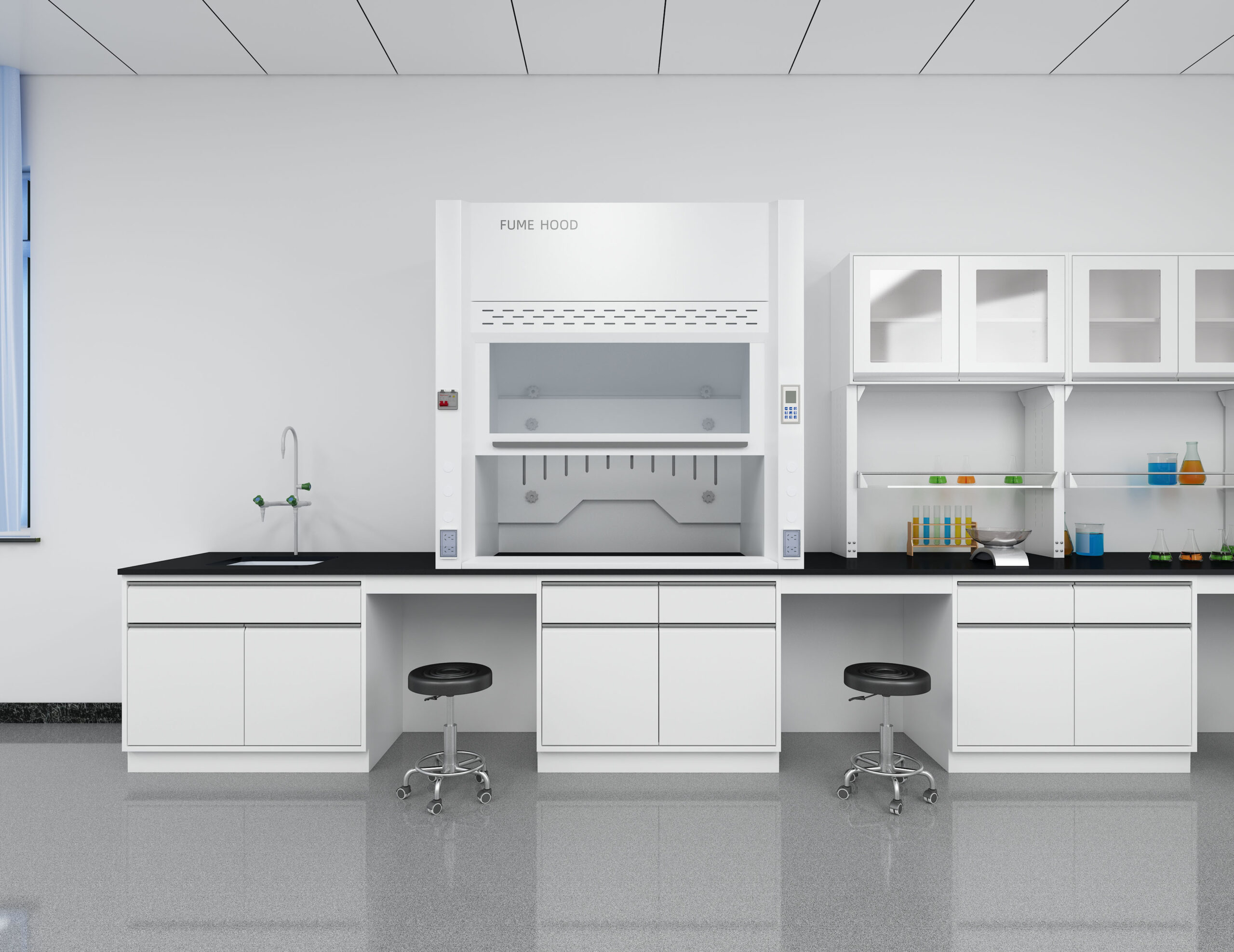
  • Plan ventilation and laboratory furniture together instead of separately.
  • Select fume hoods according to the chemicals being handled.
  • Leave sufficient maintenance space for future equipment servicing.
  • Consider energy-efficient ventilation controls to reduce operating costs.

Frequently Asked Questions

Why is laboratory ventilation different from office ventilation?

Laboratories handle hazardous substances that require controlled airflow and specialized exhaust systems.

Does every laboratory need a fume hood?

Not every laboratory, but facilities working with chemicals or hazardous materials should install appropriate fume hoods.

Can an existing laboratory upgrade its ventilation system?

Yes. Many laboratories improve safety and efficiency by upgrading ventilation during renovation projects.

READY TO PLAN YOUR LAB?

Partner with Landro’s engineering team to build a safe, efficient, and fully compliant research environment.

  • Free Consultation — Discuss your workflow and spatial constraints with experts.
  • Compliance Assured — Standardized designs passing SEFA & ASHRAE audits.
  • 3D Concept Preview — Visualize your laboratory before committing to construction.

Leave a Reply

Your email address will not be published. Required fields are marked *