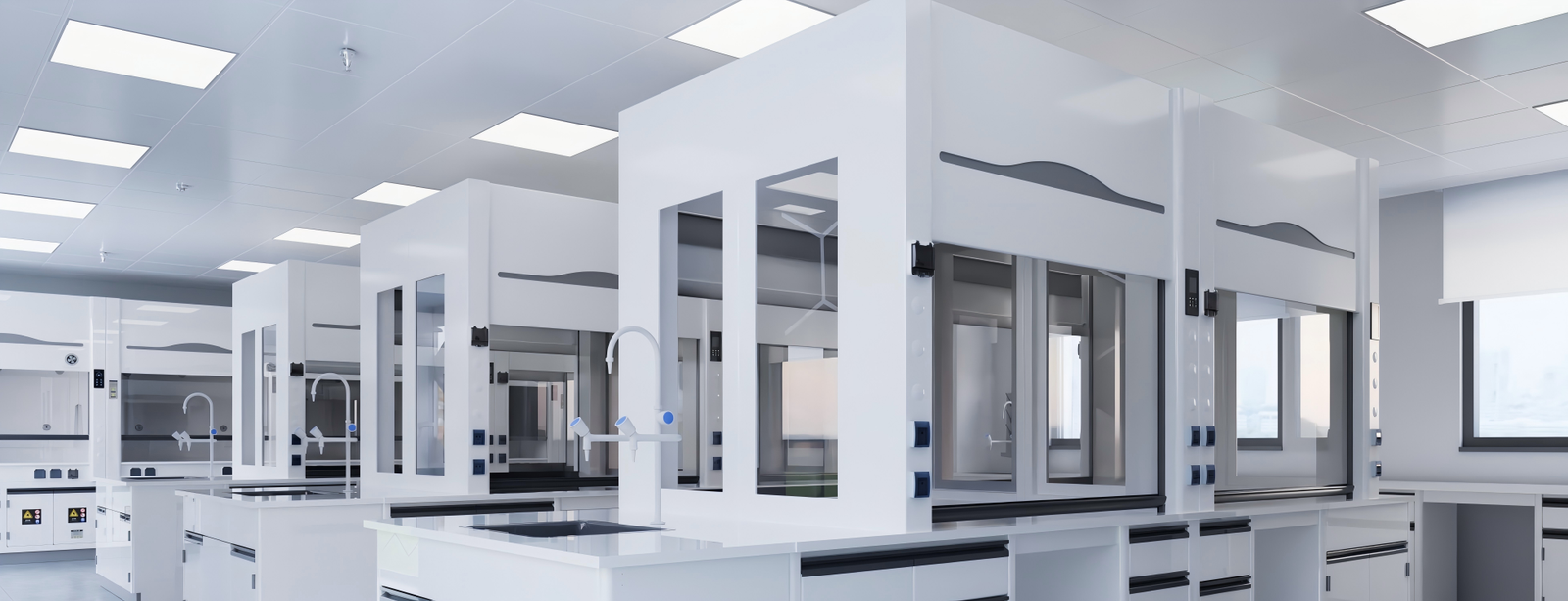
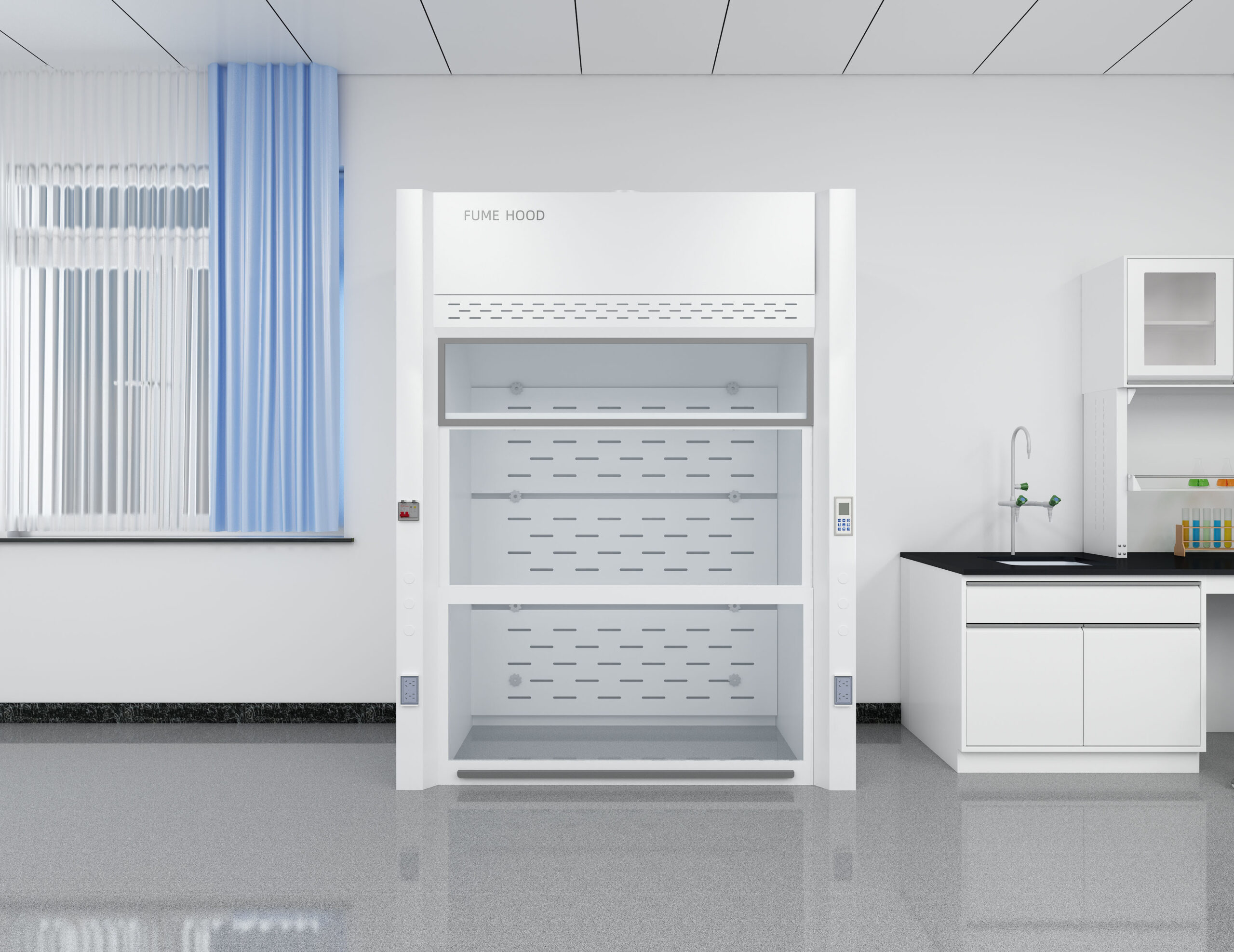
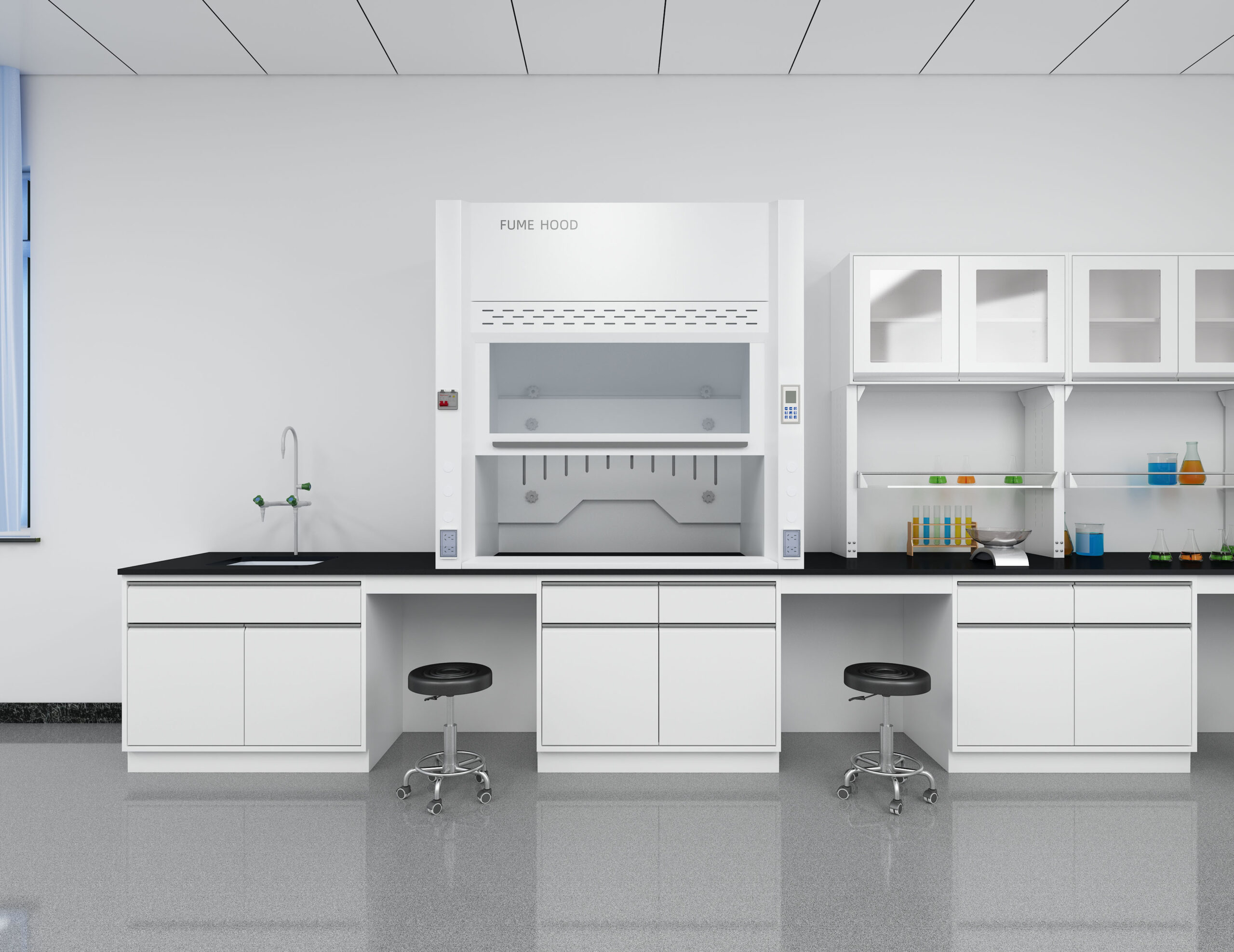
benchtop fume hood

Benchtop Fume Hood: How to Choose the Right Ventilation Solution for Your Laboratory

A well-designed benchtop fume hood provides reliable laboratory ventilation while maximizing available workspace. By selecting the correct material, airflow design, and laboratory integration, organizations can improve laboratory safety, operational efficiency, and long-term equipment performance.LANDRO supplies customized steel, PP, and stainless steel benchtop fume hoods for research laboratories, universities, pharmaceutical facilities, and industrial laboratories worldwide.

Introduction

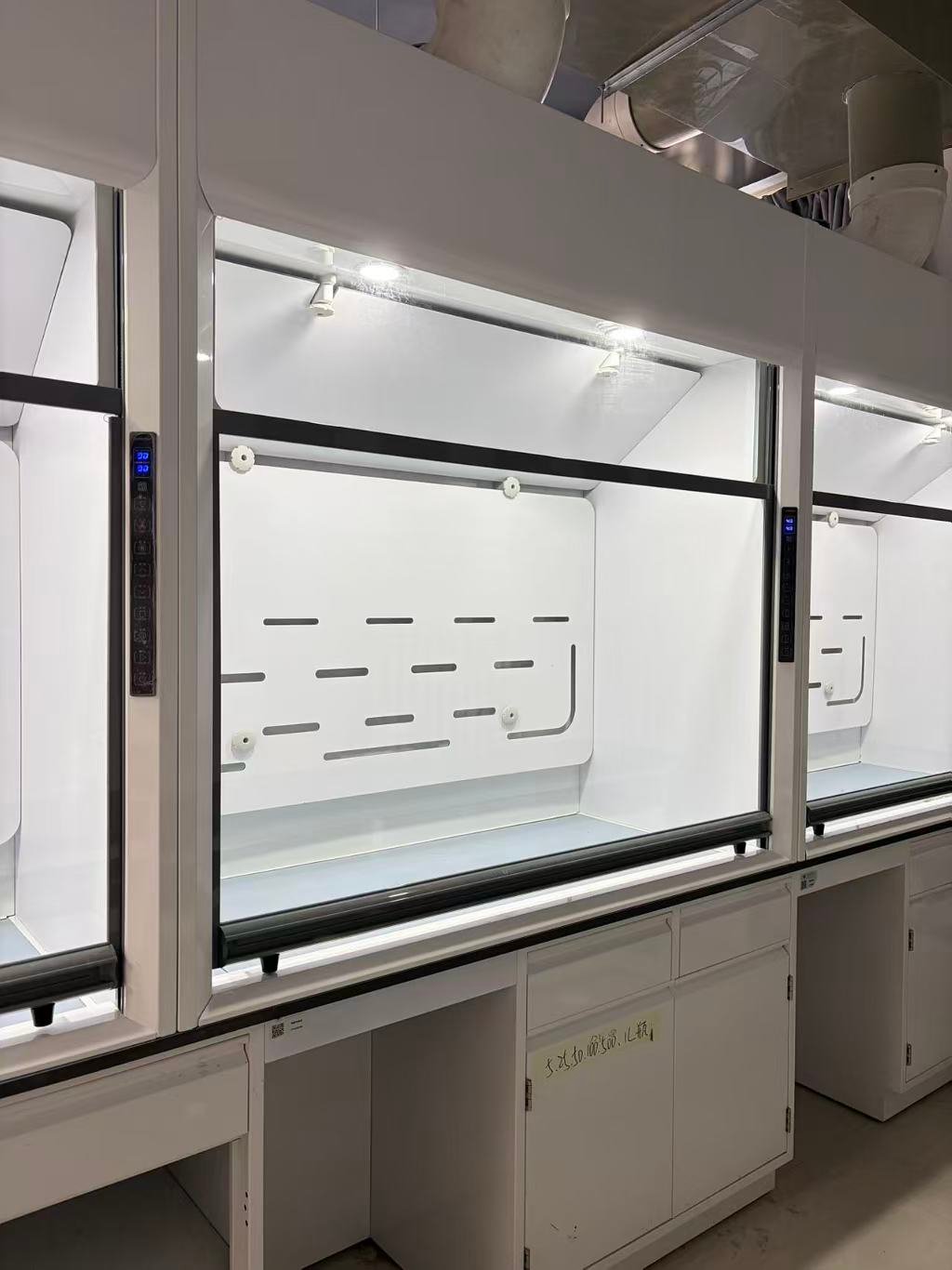
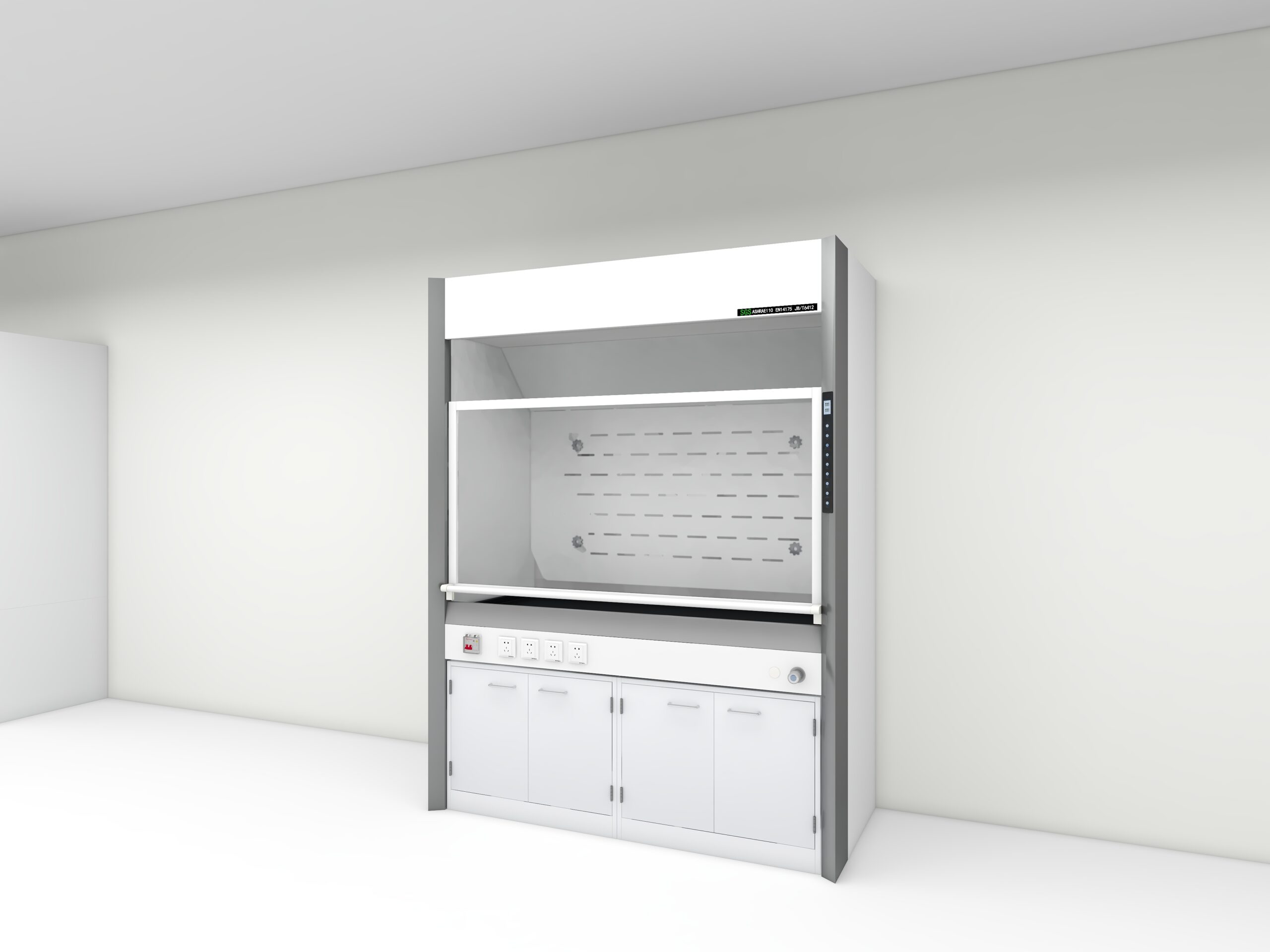
A benchtop fume hood is an essential piece of laboratory safety equipment designed to protect users from hazardous fumes, vapors, and airborne contaminants generated during laboratory procedures. Compared with large walk-in systems, benchtop fume hoods provide an efficient ventilation solution while occupying significantly less laboratory space.

They are widely installed in universities, research laboratories, pharmaceutical facilities, environmental laboratories, and quality control departments where localized chemical handling is performed.

This guide explains how benchtop fume hoods work, their advantages, material options, and how to choose the right model for different laboratory applications.

Quick Answer

A benchtop fume hood is a compact laboratory exhaust enclosure that captures hazardous fumes directly at the work area. It provides effective ventilation for routine laboratory operations while saving space, making it an ideal solution for research laboratories, universities, pharmaceutical facilities, and industrial testing laboratories.

What Is a Benchtop Fume Hood?

A benchtop fume hood is installed directly on top of a laboratory workbench or cabinet and connects to the laboratory ventilation system to safely exhaust contaminated air.

Unlike large walk-in fume hoods designed for oversized equipment, benchtop models are optimized for routine laboratory experiments involving chemicals, solvents, and analytical procedures performed on a laboratory bench.

Because of their compact footprint, benchtop fume hoods are an excellent choice for laboratories with limited space while still maintaining reliable operator protection.
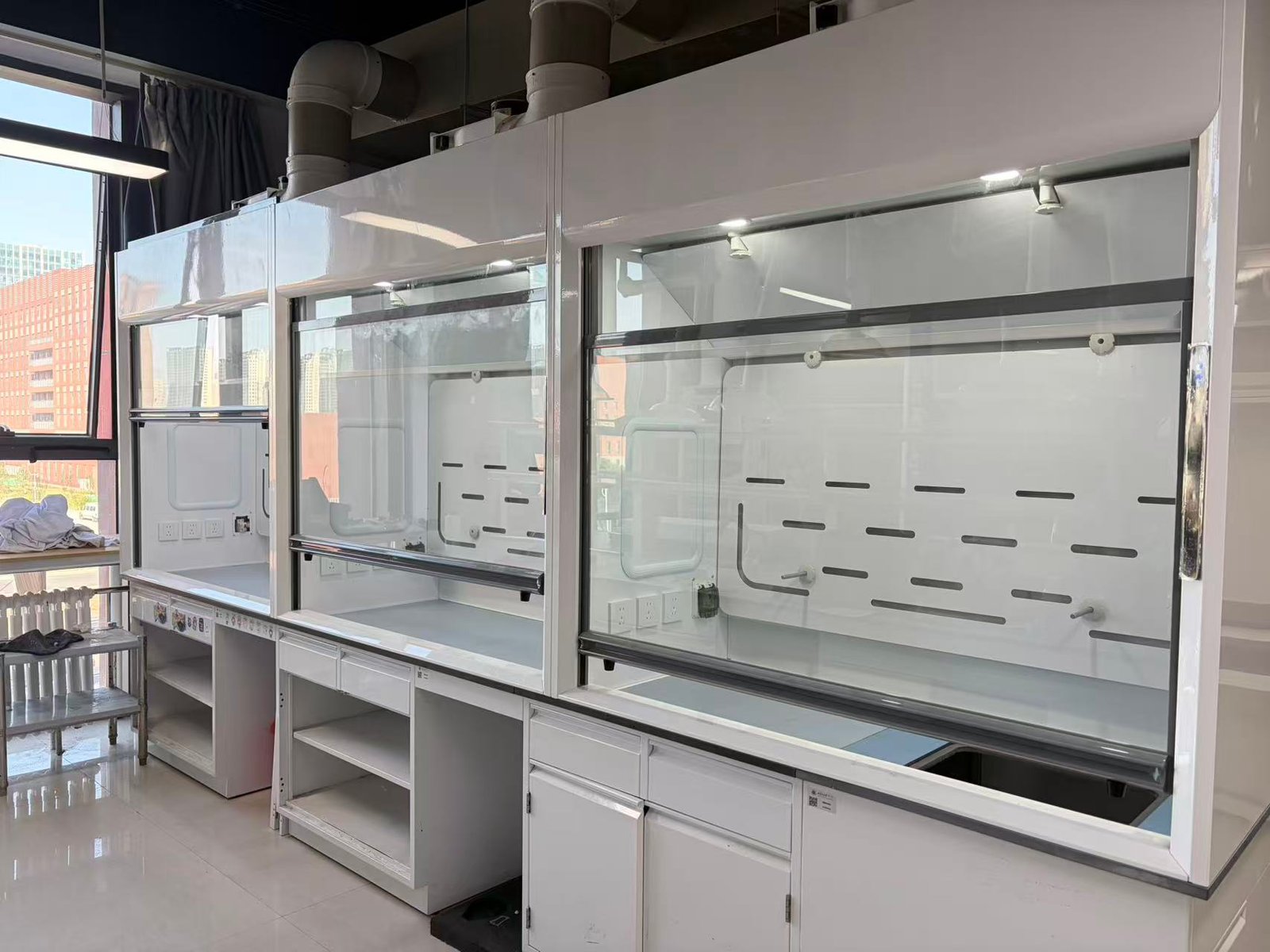
Benefits of Using a Benchtop Fume Hood

One of the biggest advantages of a benchtop fume hood is its ability to provide localized exhaust without requiring extensive laboratory renovations.

Its compact size allows laboratories to maximize usable workspace while maintaining proper airflow around the operator.

Benchtop fume hoods also require lower exhaust volumes than larger systems, helping reduce energy consumption while maintaining effective containment of hazardous vapors.

Modern designs can also integrate LED lighting, electrical outlets, service fixtures, sinks, and customized airflow controls to improve laboratory efficiency.
Choosing the Right Benchtop Fume Hood Material

Steel Benchtop Fume Hood

Steel benchtop fume hoods provide excellent structural strength and are widely used in research laboratories, universities, and industrial testing facilities.

Their powder-coated surfaces offer good durability and resistance to routine laboratory environments.

PP Benchtop Fume Hood

PP (polypropylene) benchtop fume hoods are specifically designed for laboratories handling corrosive chemicals.

Their outstanding resistance to acids and alkalis makes them an excellent choice for chemical laboratories and environmental testing facilities.

Stainless Steel Benchtop Fume Hood

Stainless steel benchtop fume hoods are commonly installed in pharmaceutical laboratories, food laboratories, biotechnology facilities, and cleanroom environments where cleanliness and hygiene are critical.

How to Select the Right Benchtop Fume Hood

Before purchasing a benchtop fume hood, laboratories should evaluate the chemicals being handled, ventilation capacity, available installation space, and future expansion requirements.

Material compatibility should always match laboratory applications. Airflow performance, sash design, lighting, and maintenance accessibility should also be considered to ensure long-term safety and operational efficiency.

Choosing the correct benchtop fume hood at the planning stage helps reduce future maintenance costs and improves laboratory productivity.

Typical Applications

Benchtop fume hoods are commonly used in university teaching laboratories where individual workstations require compact ventilation solutions.

Research laboratories use benchtop systems during sample preparation, chemical analysis, and routine experimental procedures.

Pharmaceutical laboratories benefit from localized ventilation during formulation and analytical testing, while environmental laboratories use benchtop fume hoods when handling volatile chemical samples.

Expert Tips

Selecting the correct material is just as important as selecting the correct size. Laboratories working with highly corrosive chemicals should prioritize polypropylene construction, while general laboratories often achieve the best balance of durability and cost with steel models. Always verify that the laboratory ventilation system provides sufficient exhaust airflow for the selected benchtop fume hood.

When planning laboratory layouts, designers should also consider recommendations from U.S. Department of Labor – Laboratory ventilation safety recommendations

Frequently Asked Questions

What is the difference between a benchtop fume hood and a walk-in fume hood?

A benchtop fume hood is designed for routine laboratory work performed on a laboratory bench, while a walk-in fume hood accommodates large equipment and floor-standing apparatus.

Is a benchtop fume hood suitable for chemical laboratories?

Yes. PP benchtop fume hoods are widely used in laboratories handling acids, alkalis, and corrosive chemicals.

Can benchtop fume hoods be customized?

Yes. They can be customized with different materials, dimensions, lighting systems, electrical outlets, service fixtures, and ventilation configurations.

READY TO PLAN YOUR LAB?

Partner with Landro’s engineering team to build a safe, efficient, and fully compliant research environment.

  • Free Consultation — Discuss your workflow and spatial constraints with experts.
  • Compliance Assured — Standardized designs passing SEFA & ASHRAE audits.
  • 3D Concept Preview — Visualize your laboratory before committing to construction.

Leave a Reply

Your email address will not be published. Required fields are marked *