Mail Us:Landrolab@gmail.com

Laboratory Cabinet Guide: Types, Materials & How to Choose the Right One
Choosing the right laboratory cabinet is essential for improving laboratory organization, protecting valuable equipment, and creating an efficient workspace. This guide explains the different types of laboratory cabinets, compares common cabinet materials, and provides practical advice for selecting the best storage solution for your laboratory.
Introduction
Laboratory cabinets play an essential role in maintaining a safe, organized, and efficient laboratory environment. Whether storing laboratory glassware, chemicals, instruments, or consumables, choosing the right laboratory cabinet improves workflow while protecting valuable equipment and materials.
Modern laboratories use different cabinet configurations depending on their applications. From research laboratories and pharmaceutical facilities to educational and industrial laboratories, cabinet materials, storage capacity, and installation methods all influence long-term performance. This guide explains the most common laboratory cabinet types, materials, and selection considerations to help you make an informed decision.
Quick Answer
The best laboratory worktop material depends on laboratory applications and chemical exposure. Epoxy resin countertops provide outstanding chemical resistance, phenolic resin worktops offer excellent moisture resistance and durability, stainless steel surfaces are ideal for hygienic environments, while ceramic tops perform well in high-temperature laboratories.
Common Types of Laboratory Cabinets
Laboratory cabinets are designed to meet different storage requirements while maximizing available workspace. Selecting the appropriate cabinet depends on laboratory layout, storage volume, and the materials being stored.
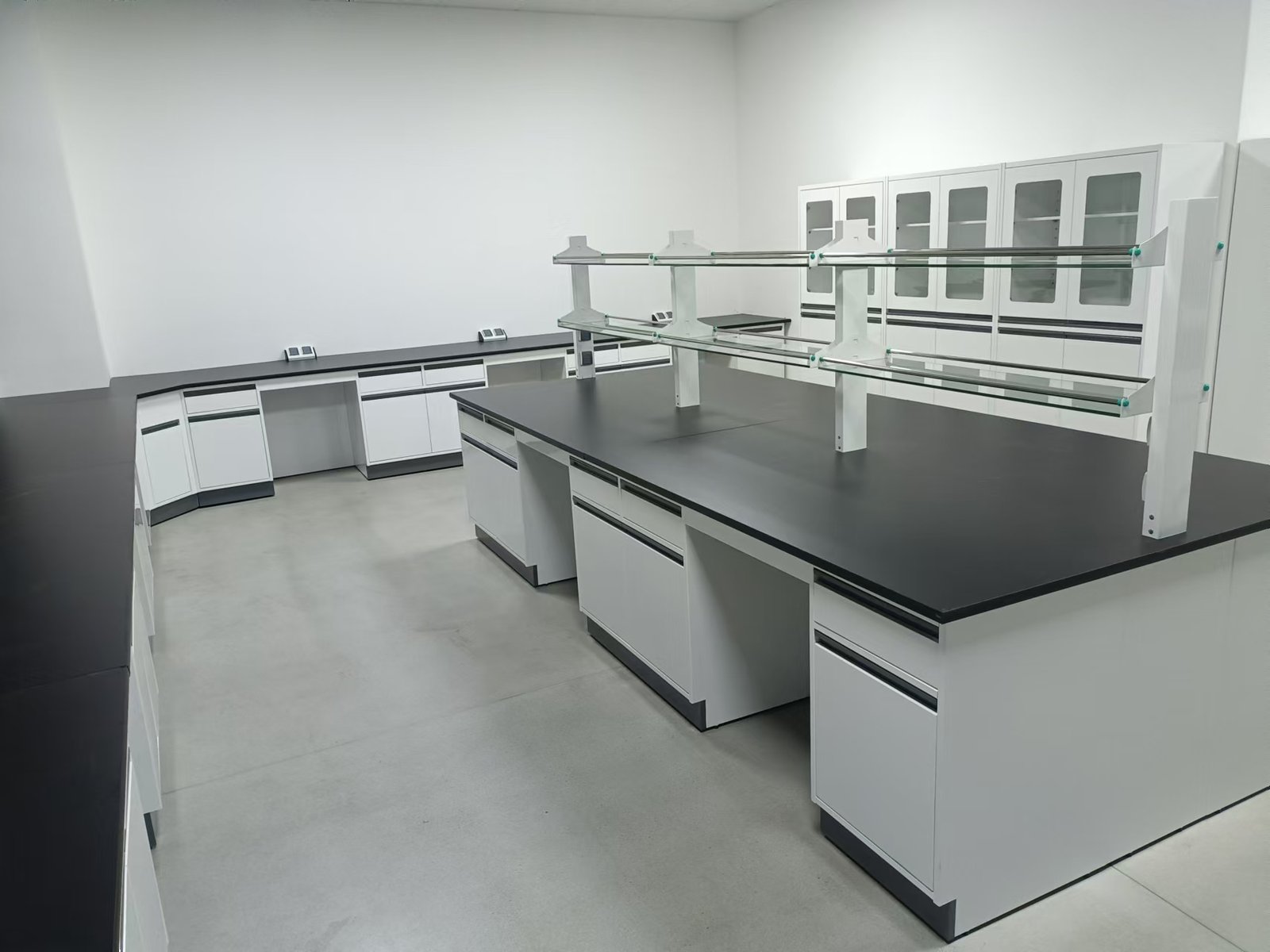
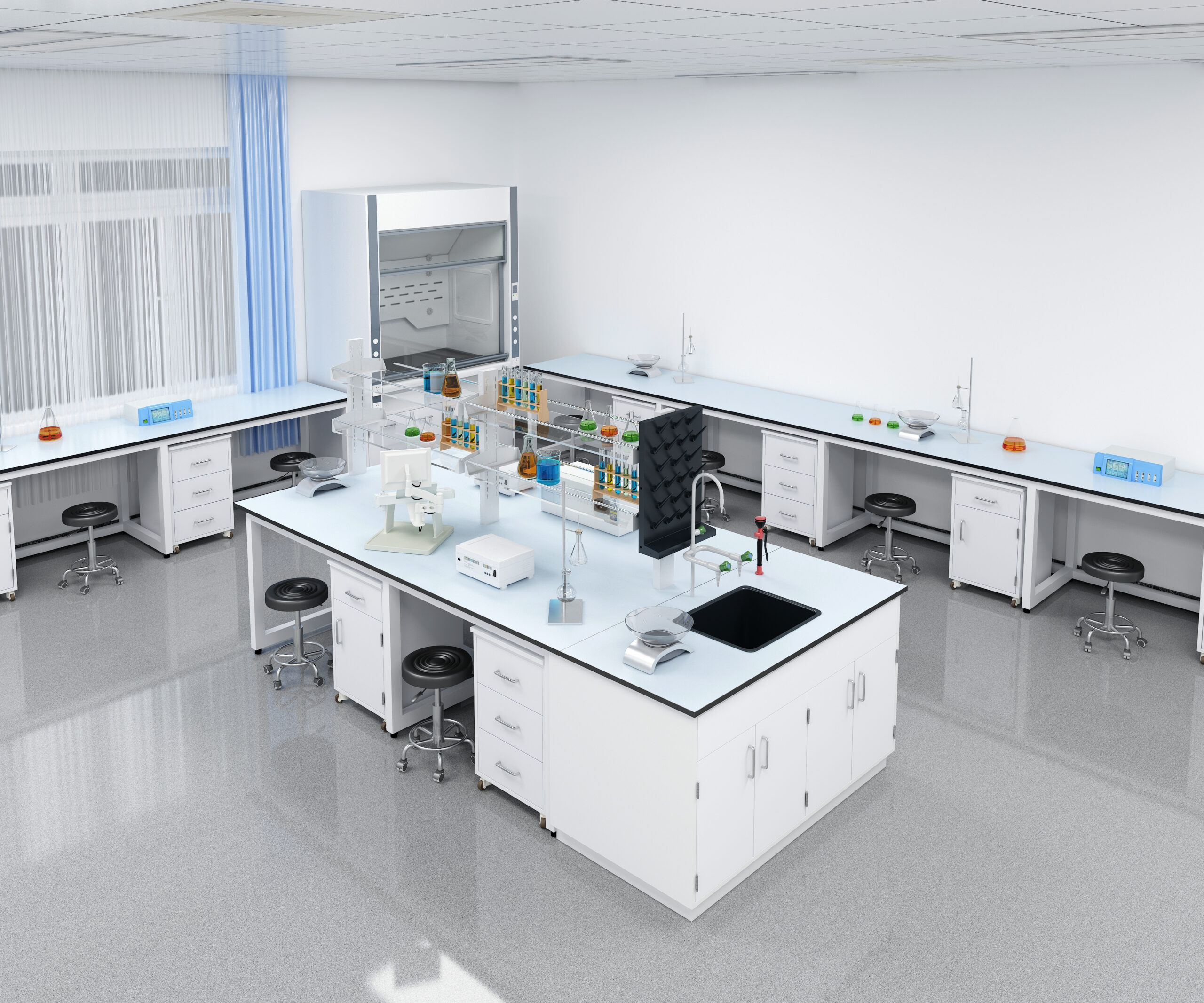
Base laboratory cabinets are installed beneath laboratory benches to provide convenient storage for frequently used equipment, glassware, and supplies without occupying additional floor space.
Wall laboratory cabinets are mounted above workstations, increasing storage capacity while keeping the work surface clear. They are commonly used for storing lightweight laboratory consumables and documentation.
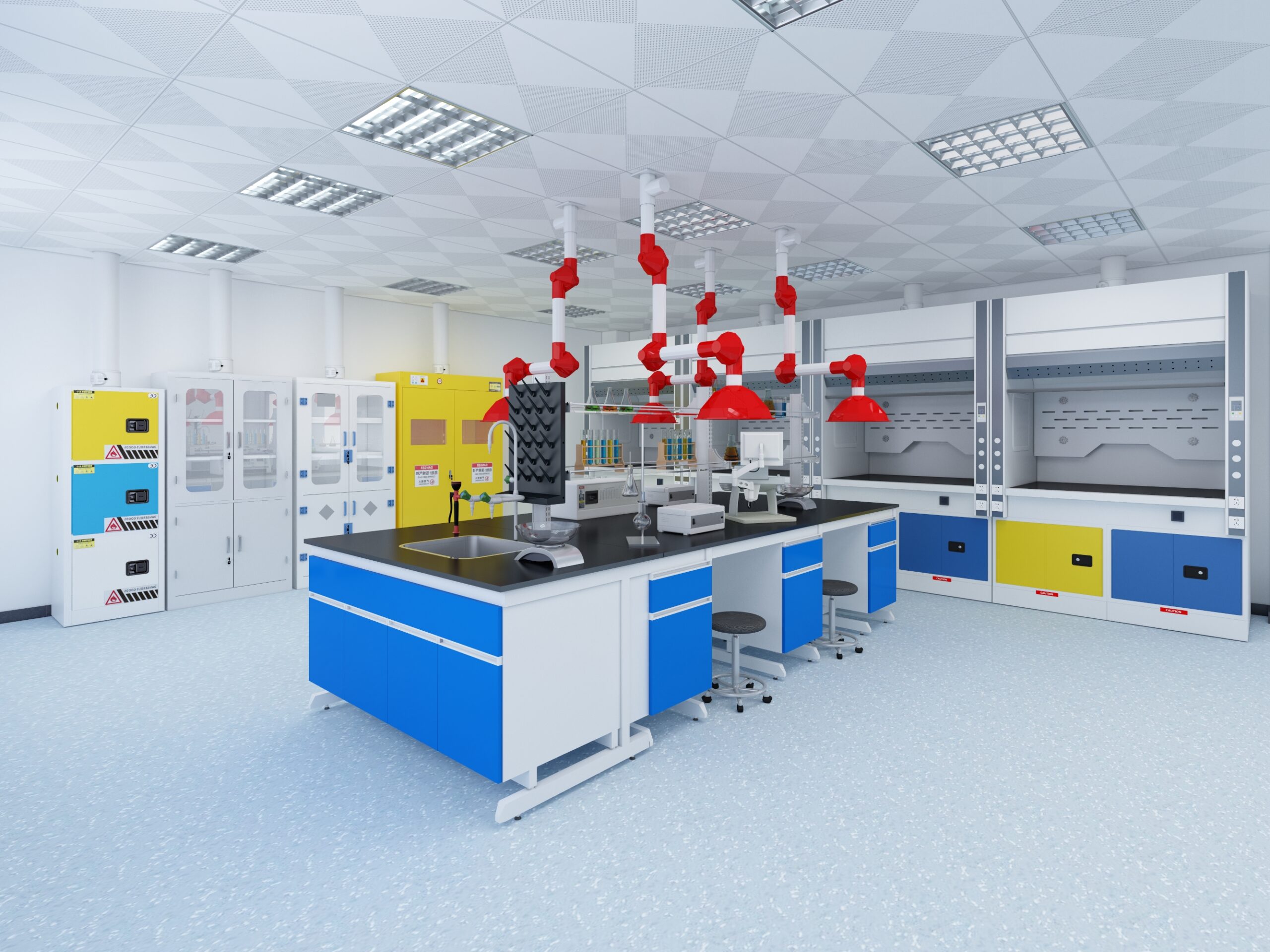
Tall laboratory cabinets offer high-capacity storage for larger laboratory items, chemicals, and equipment. These cabinets are often installed along laboratory walls to maximize vertical space.
Mobile laboratory cabinets feature lockable casters, allowing flexible storage that can be repositioned as laboratory workflows change.
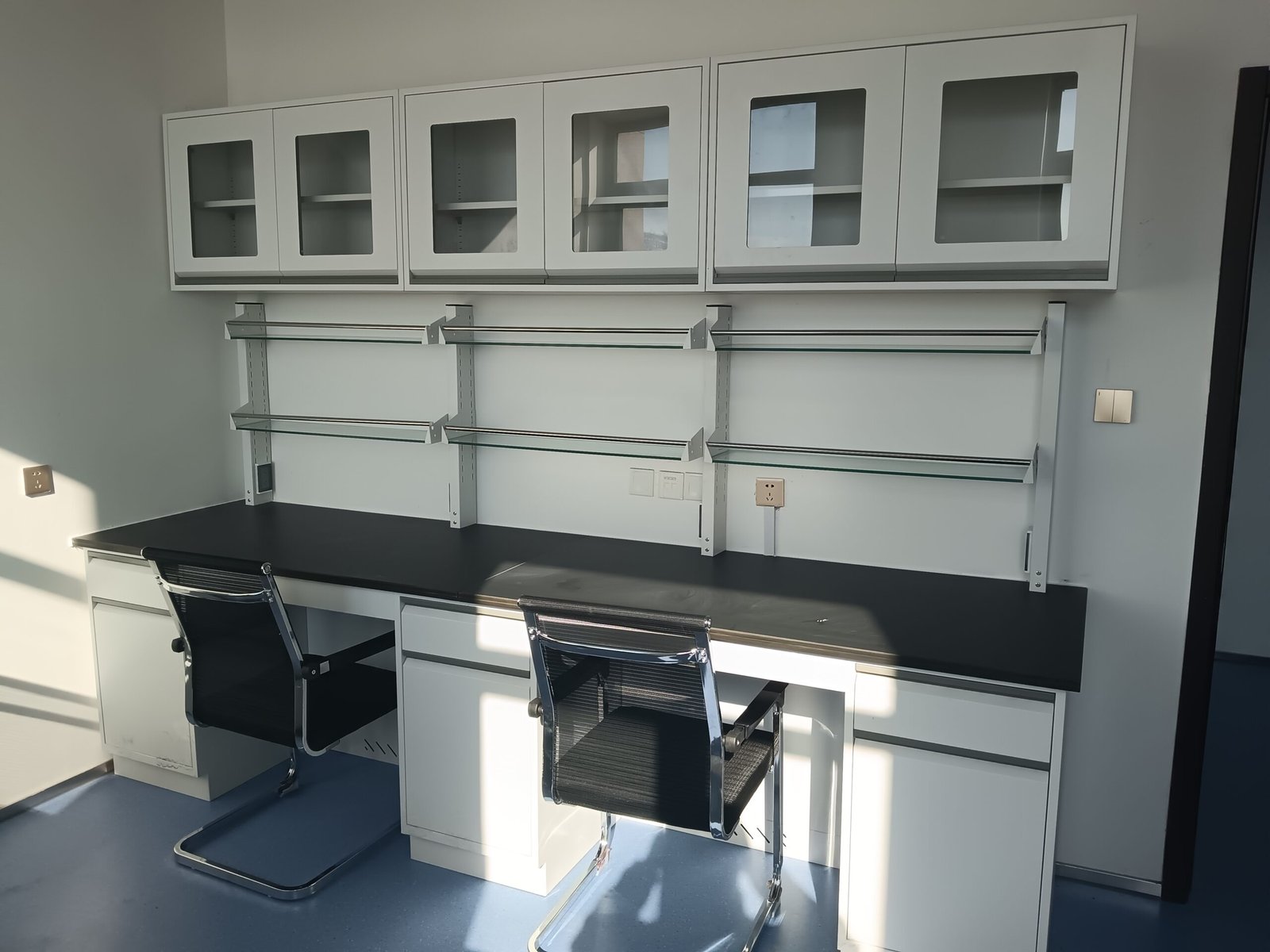
Laboratory Cabinet Materials
Choosing the right cabinet material is just as important as selecting the cabinet type. Different materials provide varying levels of durability, chemical resistance, and maintenance requirements.
| Material | Key Features | Recommended Applications |
|---|---|---|
| Cold-Rolled Steel | Strong, durable, powder-coated surface | General laboratories and research facilities |
| PP | Excellent chemical and corrosion resistance | Chemical laboratories and corrosive environments |
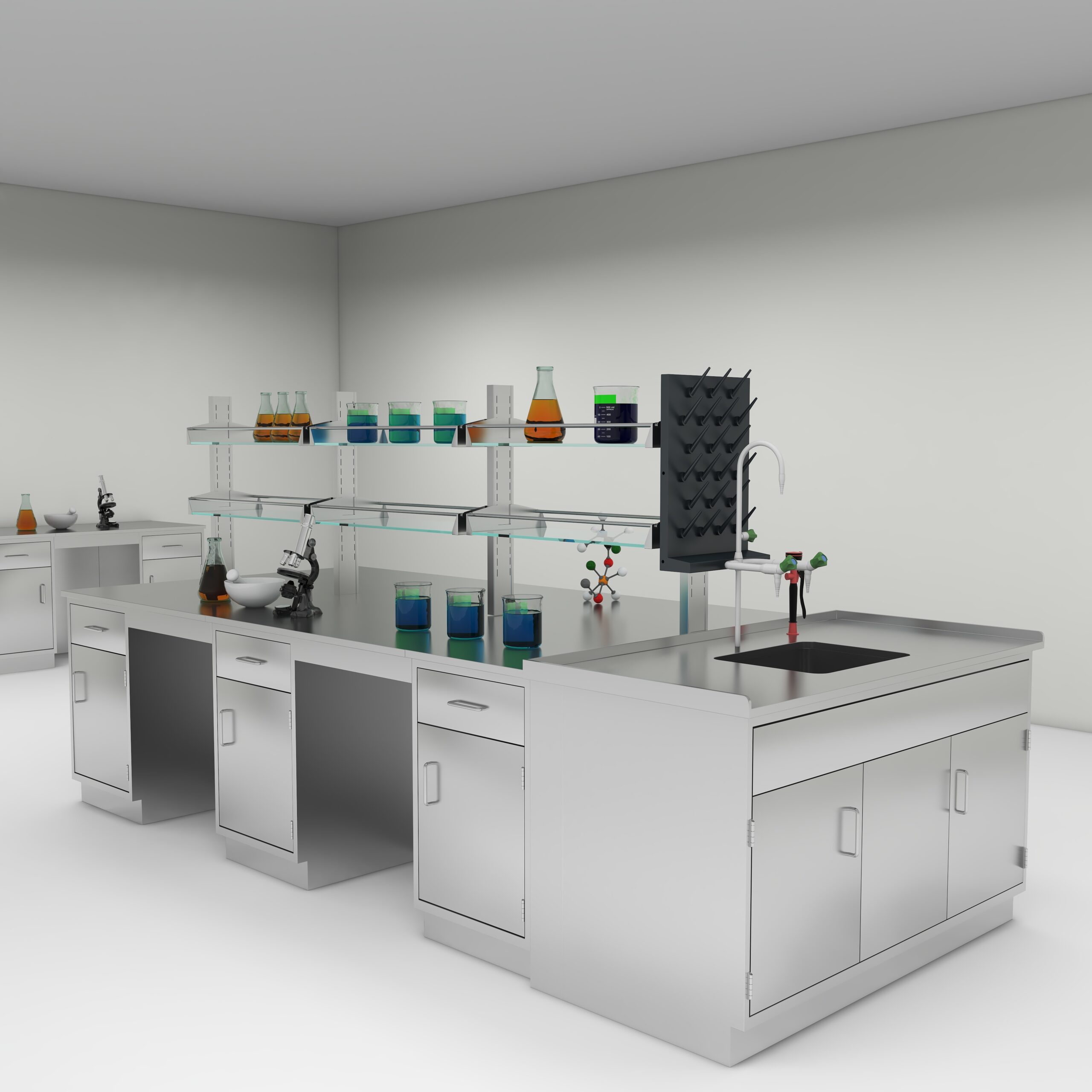
| Stainless Steel | Easy to clean and highly hygienic | Pharmaceutical, medical, and food laboratories |
How to Choose the Right Laboratory Cabinet
Selecting a laboratory cabinet should begin with understanding how the laboratory operates. Storage requirements vary depending on laboratory discipline, equipment size, and future expansion plans.
Cabinet material should always match the laboratory environment. Chemical laboratories generally require PP cabinets for superior corrosion resistance, while pharmaceutical laboratories often prefer stainless steel for hygiene. General research laboratories typically use powder-coated steel cabinets because they provide excellent durability and cost efficiency.
Storage capacity is another important consideration. Frequently used laboratory supplies should remain easily accessible, while hazardous materials should be stored separately in dedicated safety cabinets whenever required.
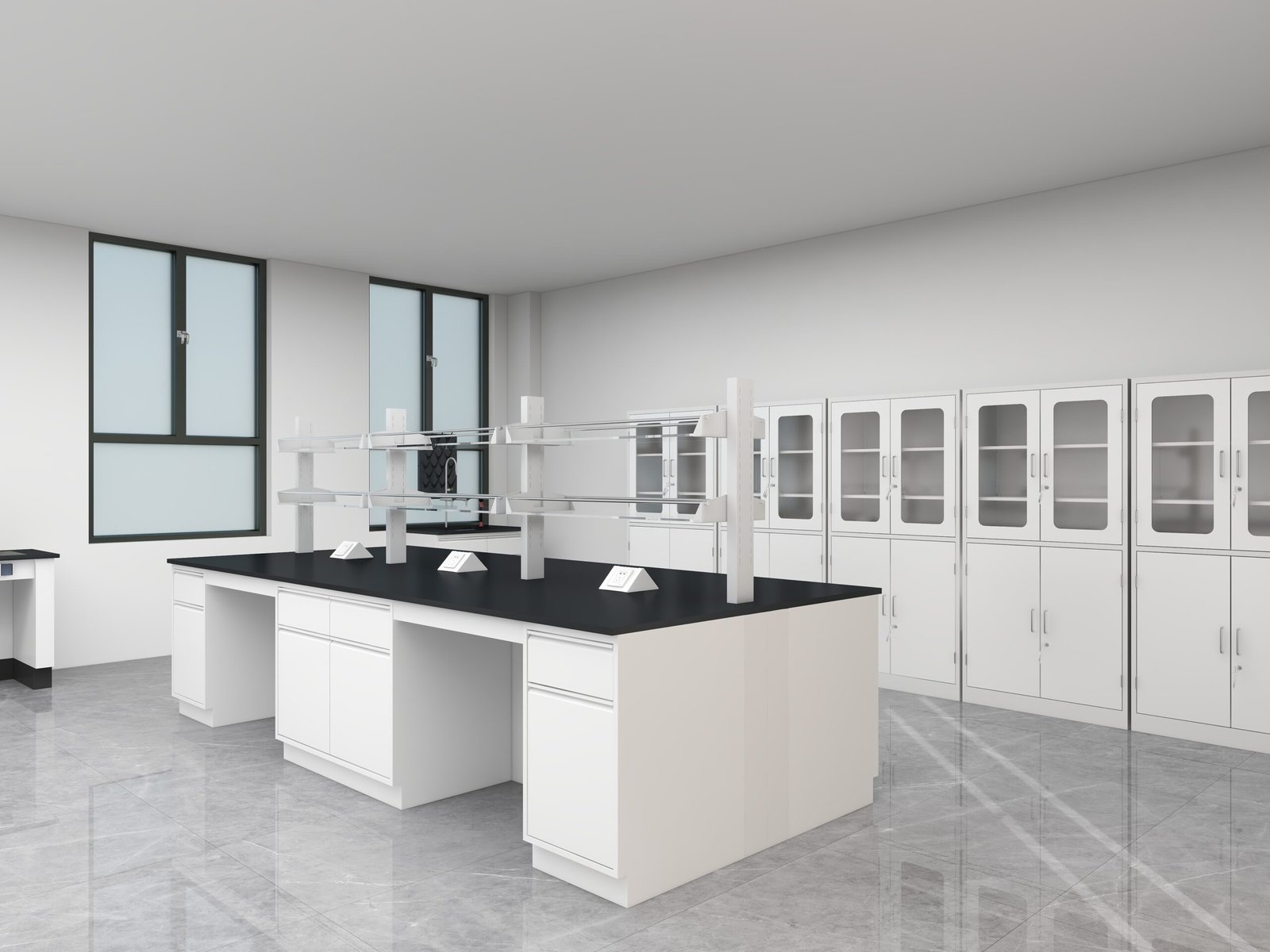
Typical Applications
Laboratory cabinets are widely used across research laboratories, universities, pharmaceutical manufacturing facilities, food testing laboratories, hospitals, and industrial quality control laboratories. Proper cabinet selection improves storage efficiency, protects laboratory equipment, and helps maintain a clean and organized working environment regardless of laboratory size. Laboratory storage systems should also support good laboratory practices and biosafety recommendations published by the CDC Laboratory Safety.
Expert Tips
When selecting a laboratory cabinet, think beyond today's storage requirements. Future equipment upgrades, workflow adjustments, and laboratory expansion should all be considered during the design stage. Choosing the right cabinet configuration early can reduce renovation costs and improve long-term laboratory efficiency.
Frequently Asked Questions
What is a laboratory cabinet?
A laboratory cabinet is a storage unit designed to safely organize laboratory equipment, chemicals, glassware, and consumables while improving laboratory efficiency and workspace organization.
What is the best material for a laboratory cabinet?
The best material depends on the application. Steel cabinets are suitable for general laboratories, PP cabinets perform well in corrosive environments, and stainless steel cabinets are ideal for pharmaceutical and food laboratories.
Are laboratory cabinets customizable?
Yes. Laboratory cabinets can be customized in size, material, color, internal layout, and storage configuration to match different laboratory requirements.
How do I choose the right laboratory cabinet?
Consider the laboratory environment, stored materials, available space, cabinet material, and future expansion needs before selecting a laboratory cabinet.
What is the difference between a laboratory cabinet and a storage cabinet?
Laboratory cabinets are specifically designed for laboratory environments with durable, chemical-resistant materials and laboratory-specific storage configurations, while general storage cabinets are intended for standard commercial or office use.
READY TO PLAN YOUR LAB?
Partner with Landro’s engineering team to build a safe, efficient, and fully compliant research environment.
-
✓
Free Consultation — Discuss your workflow and spatial constraints with experts.
-
✓
Compliance Assured — Standardized designs passing SEFA & ASHRAE audits.
-
✓
3D Concept Preview — Visualize your laboratory before committing to construction.