Mail Us:Landrolab@gmail.com

Laboratory Casework: Types, Materials and Applications Guide
Laboratory casework is much more than storage furniture. It plays an essential role in laboratory organization, workflow efficiency, and long-term functionality. Choosing the right material, layout, and manufacturer helps laboratories create safer and more productive working environments. LANDRO manufactures customized laboratory casework solutions for universities, research institutes, pharmaceutical companies, healthcare facilities, and industrial laboratories, providing reliable furniture systems designed for modern laboratory projects.
Introduction
Laboratory casework is one of the most important components of any laboratory environment. It provides organized storage, supports laboratory workflows, and helps create a safe and efficient workspace.
Whether building a new laboratory or upgrading an existing facility, choosing the right laboratory casework affects durability, storage capacity, and daily operations. Different laboratory applications require different materials and configurations, making proper planning an essential part of every laboratory project.
Quick Answer
Laboratory casework refers to the cabinets, storage units, and supporting furniture used in laboratories. It can be customized in different materials and configurations to improve organization, support laboratory workflows, and meet the requirements of research, education, healthcare, and industrial testing facilities.
What Is Laboratory Casework?
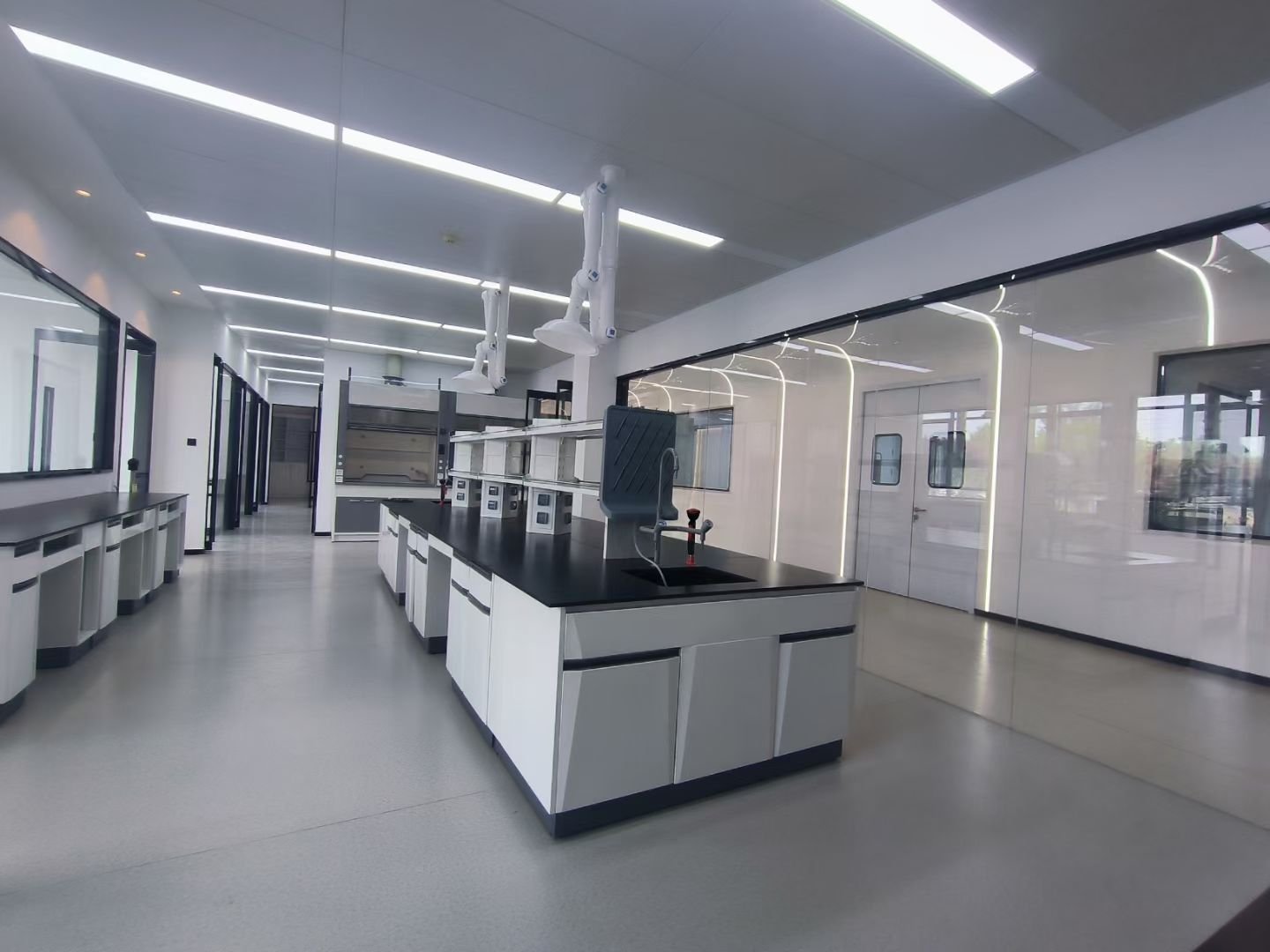
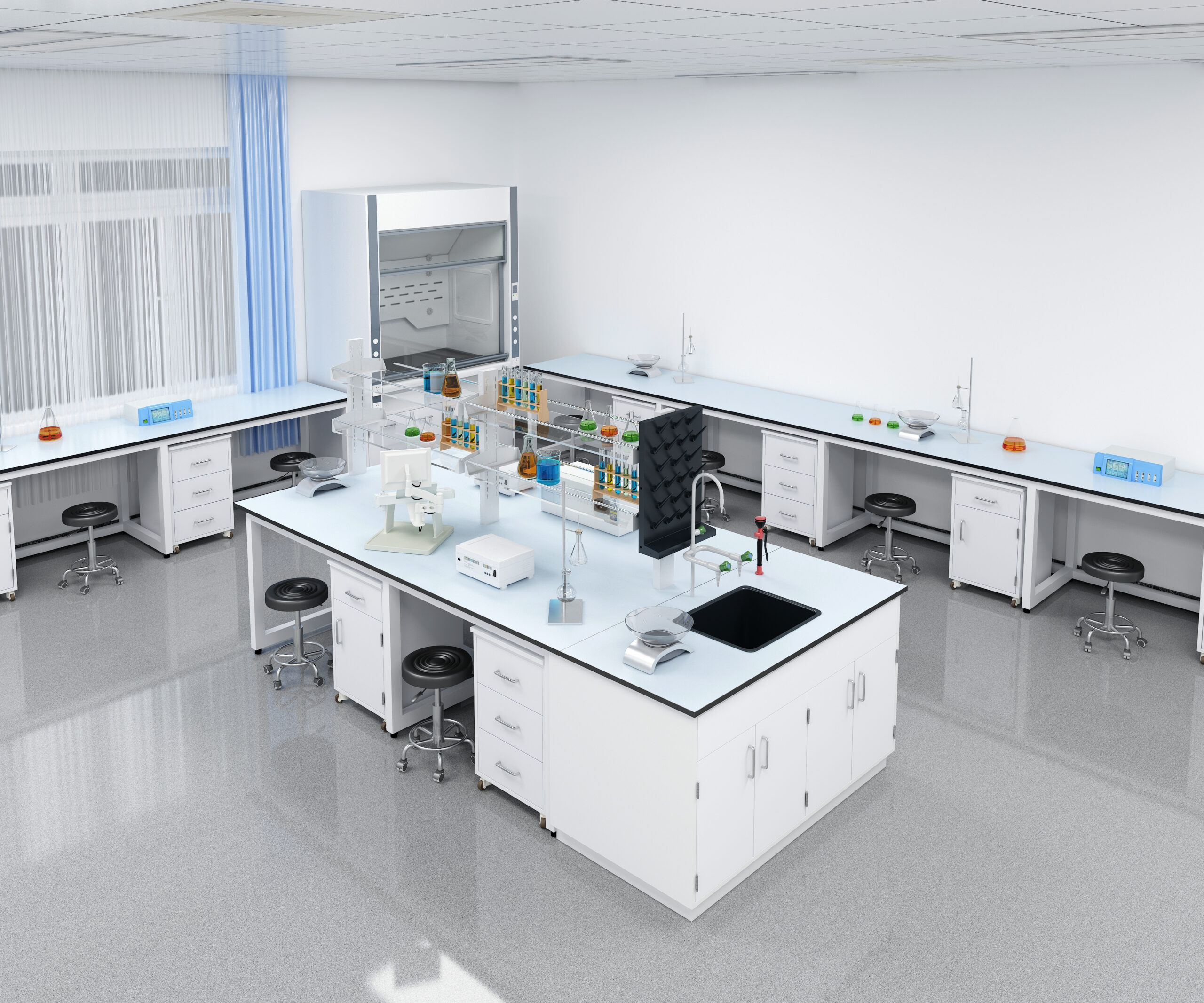
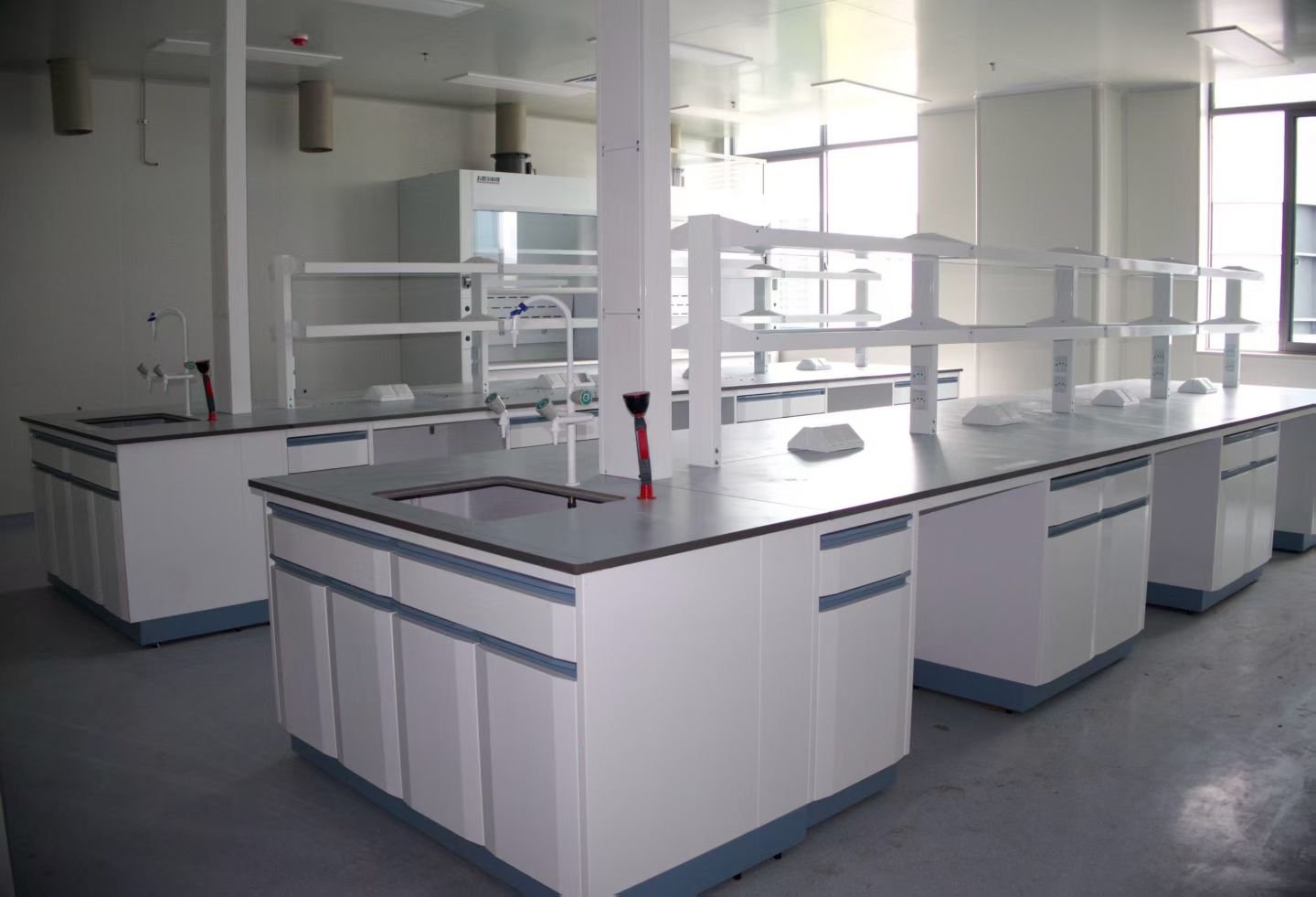
Laboratory casework includes the built-in and movable cabinets that support laboratory operations. Unlike standard office cabinetry, laboratory casework is designed to withstand demanding environments, frequent cleaning, and daily use.
A complete laboratory casework system typically works together with laboratory workbenches, fume hoods, and storage solutions to create an organized workspace that supports both equipment and personnel.
Choosing the Right Laboratory Casework
Material selection is one of the most important decisions when planning laboratory casework.
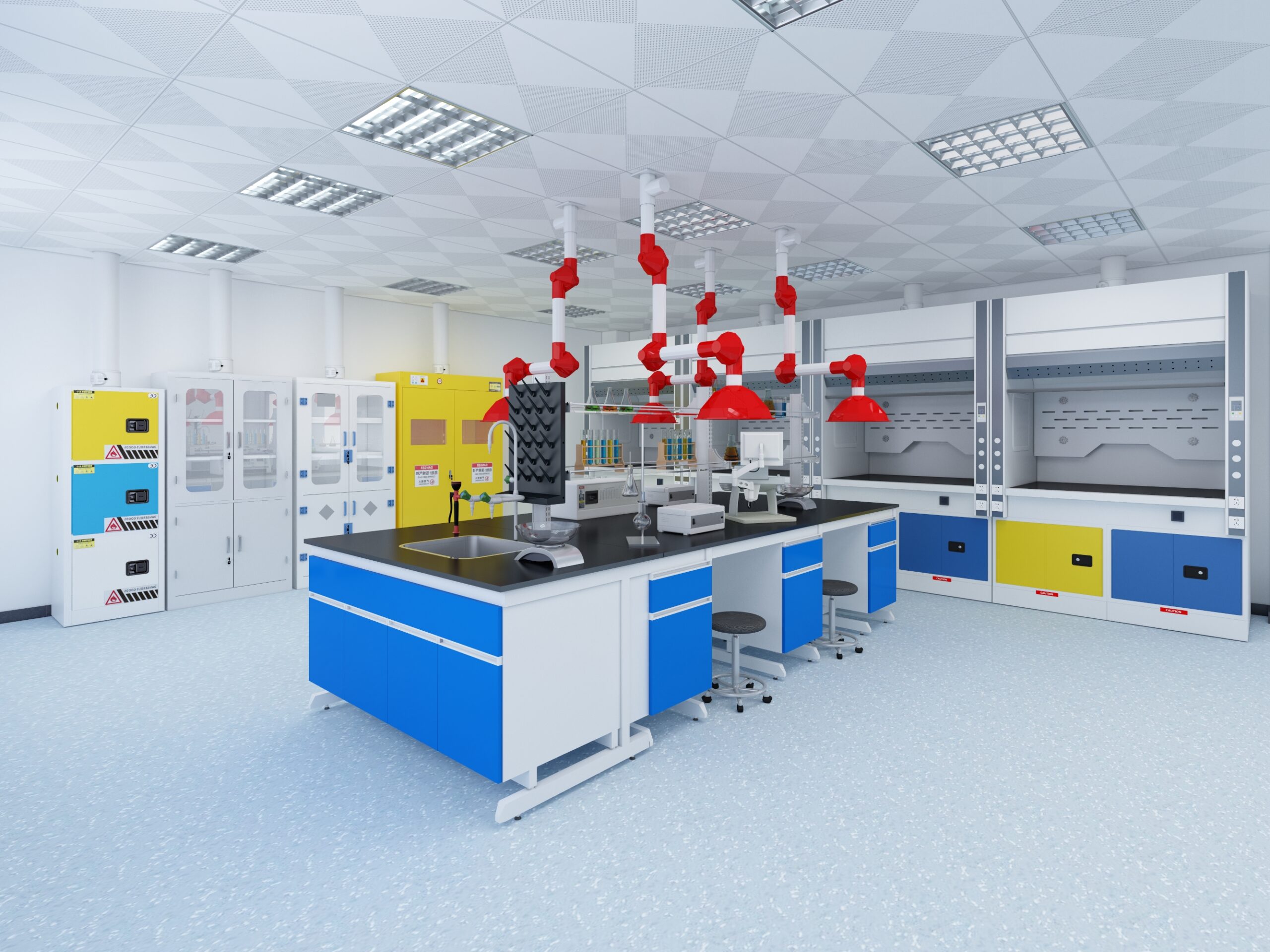
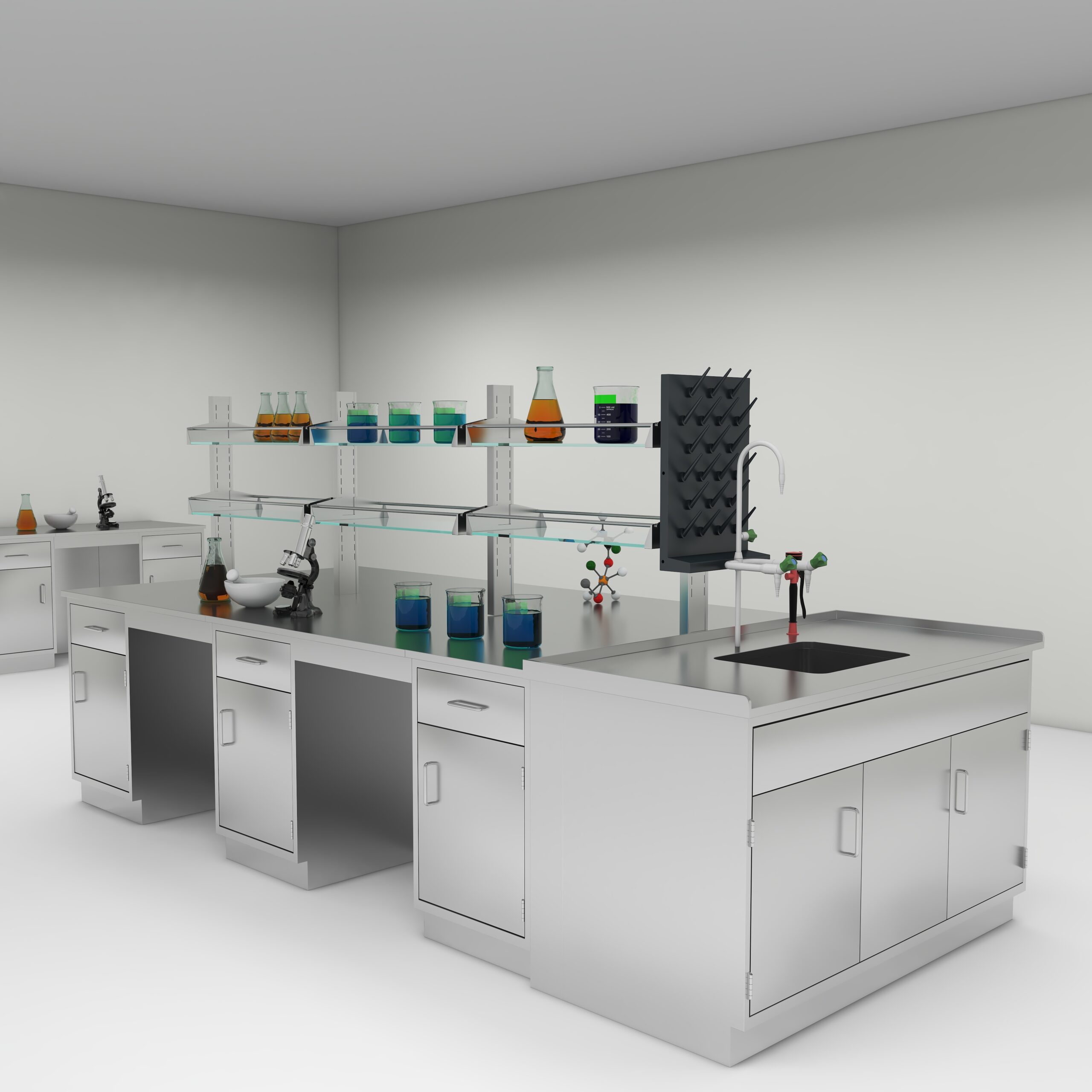
Steel laboratory casework is widely used because it offers excellent strength and long service life. PP laboratory casework is often selected for chemical laboratories where corrosion resistance is a priority, while stainless steel casework is commonly installed in medical laboratories, cleanrooms, and food testing facilities that require easy cleaning and hygiene.
Selecting the right material should always be based on the laboratory environment rather than cost alone.
Why Laboratory Casework Matters
Well-designed laboratory casework helps laboratories maximize available space while keeping equipment, chemicals, and supplies properly organized.
It also improves laboratory workflow by placing frequently used items within easy reach and reducing unnecessary movement between different work areas.
As laboratories continue to expand and adopt new equipment, flexible casework systems also make future modifications much easier.
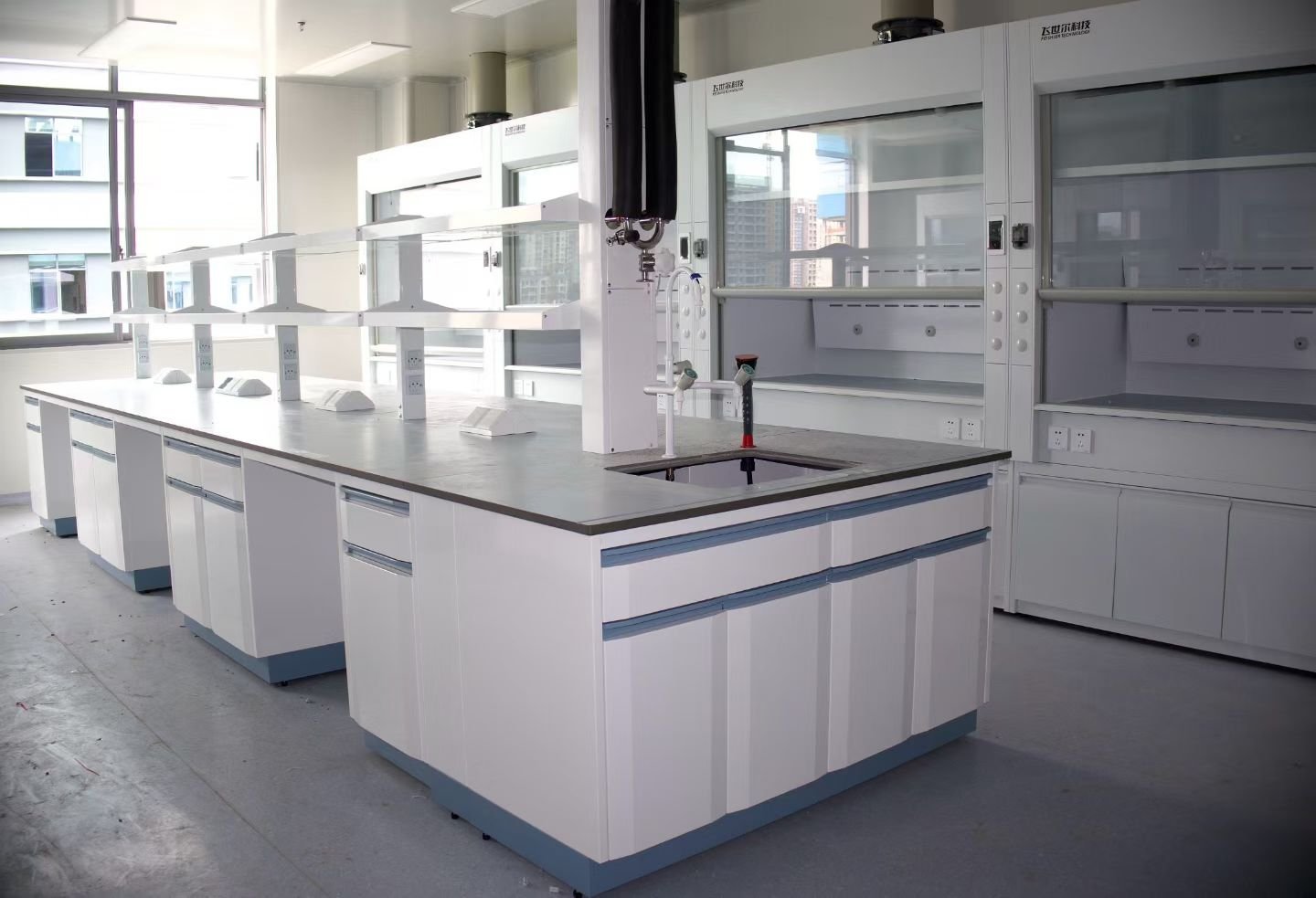
Typical Applications
University Laboratories
Teaching laboratories require durable and easy-to-maintain casework that can withstand frequent student use while providing organized storage for laboratory equipment.
Pharmaceutical Laboratories
Pharmaceutical laboratories often require customized laboratory casework that supports research activities, sample management, and quality control processes.
Industrial Testing Laboratories
Industrial laboratories frequently install heavy-duty laboratory casework to support testing instruments and provide long-term durability under continuous operation.
Medical Laboratories
Medical laboratories often choose stainless steel laboratory casework because it provides excellent hygiene, easy maintenance, and long service life.
Expert Tips
Plan Storage Around Daily Workflow
Instead of simply adding more cabinets, plan laboratory casework according to how staff use equipment and materials every day. Better organization usually improves efficiency more than increasing storage volume.
Think About Future Expansion
Laboratory requirements change over time. Choosing modular or customizable laboratory casework makes it easier to upgrade the laboratory without replacing the entire furniture system.
Planning worktop materials during the laboratory design stage also helps simplify equipment installation and future maintenance.
When planning laboratory layouts, designers should also consider recommendations from U.S. Department of Labor – Laboratory Design Guidelines
Frequently Asked Questions
What is laboratory casework?
Laboratory casework refers to laboratory cabinets, storage units, and supporting furniture designed for laboratory environments.
What materials are commonly used for laboratory casework?
The most common materials include steel, polypropylene (PP), and stainless steel. Each material is suitable for different laboratory applications.
Can laboratory casework be customized?
Yes. Laboratory casework can be customized according to laboratory layout, storage requirements, equipment size, and workflow.
READY TO PLAN YOUR LAB?
Partner with Landro’s engineering team to build a safe, efficient, and fully compliant research environment.
-
✓
Free Consultation — Discuss your workflow and spatial constraints with experts.
-
✓
Compliance Assured — Standardized designs passing SEFA & ASHRAE audits.
-
✓
3D Concept Preview — Visualize your laboratory before committing to construction.