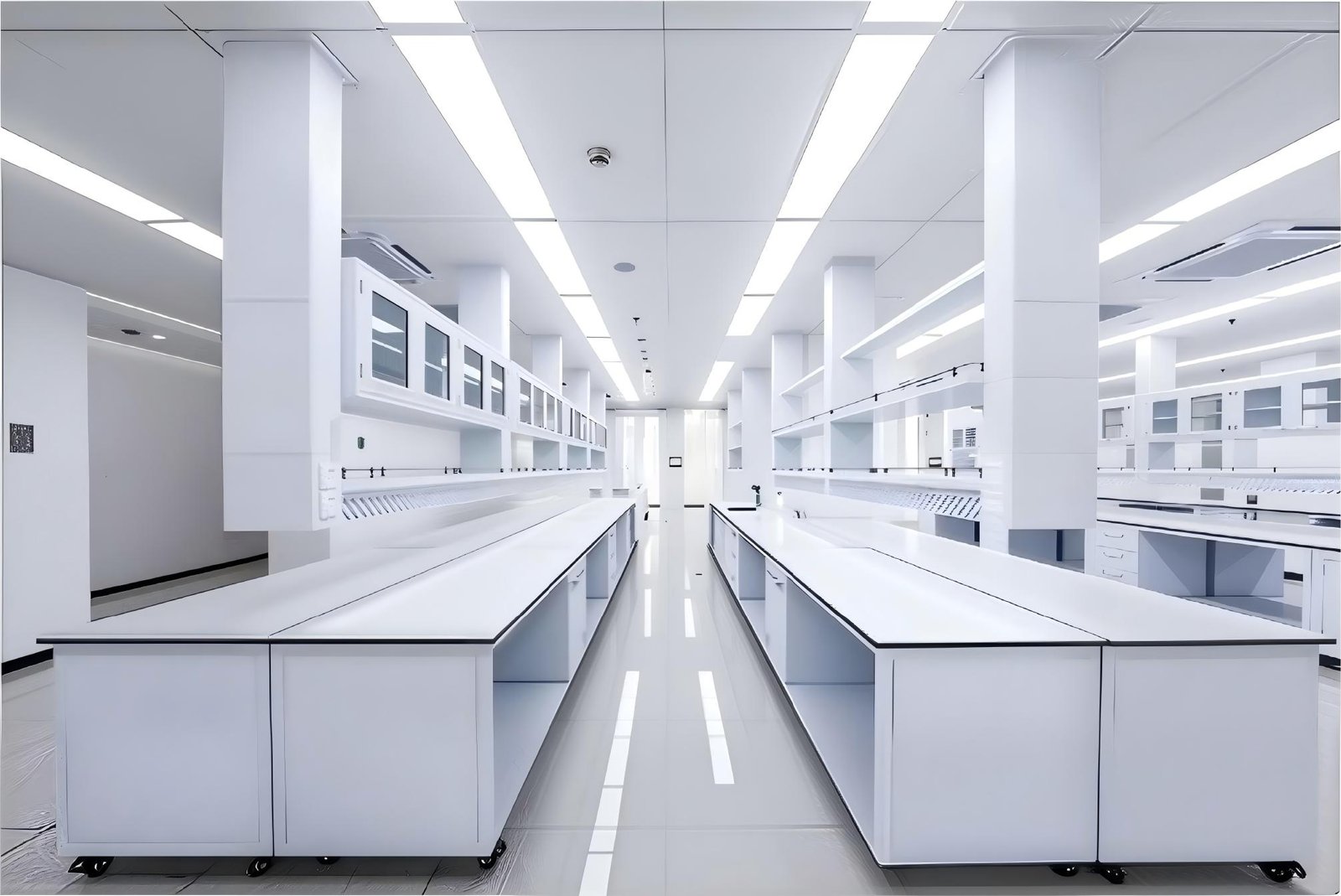
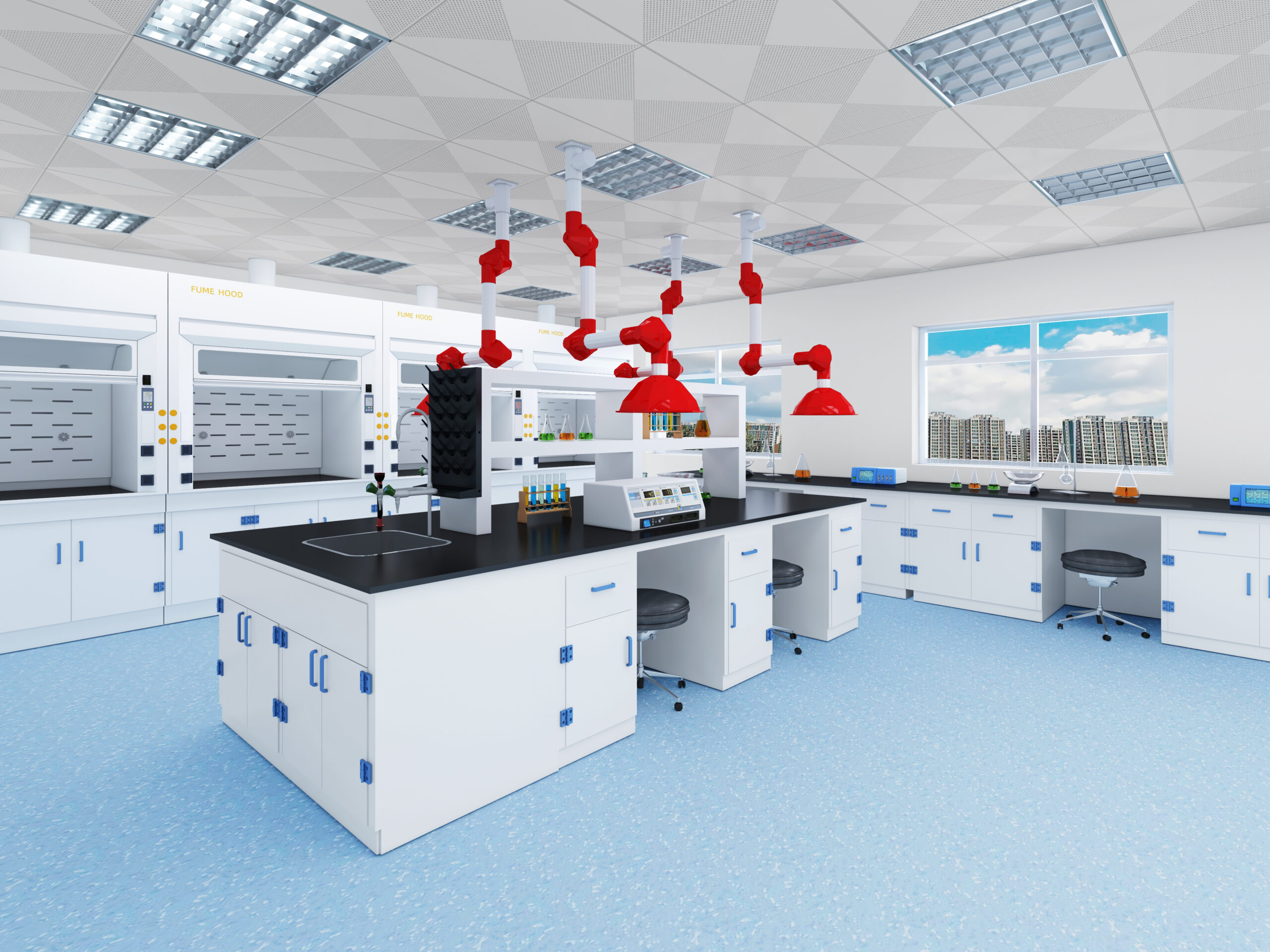
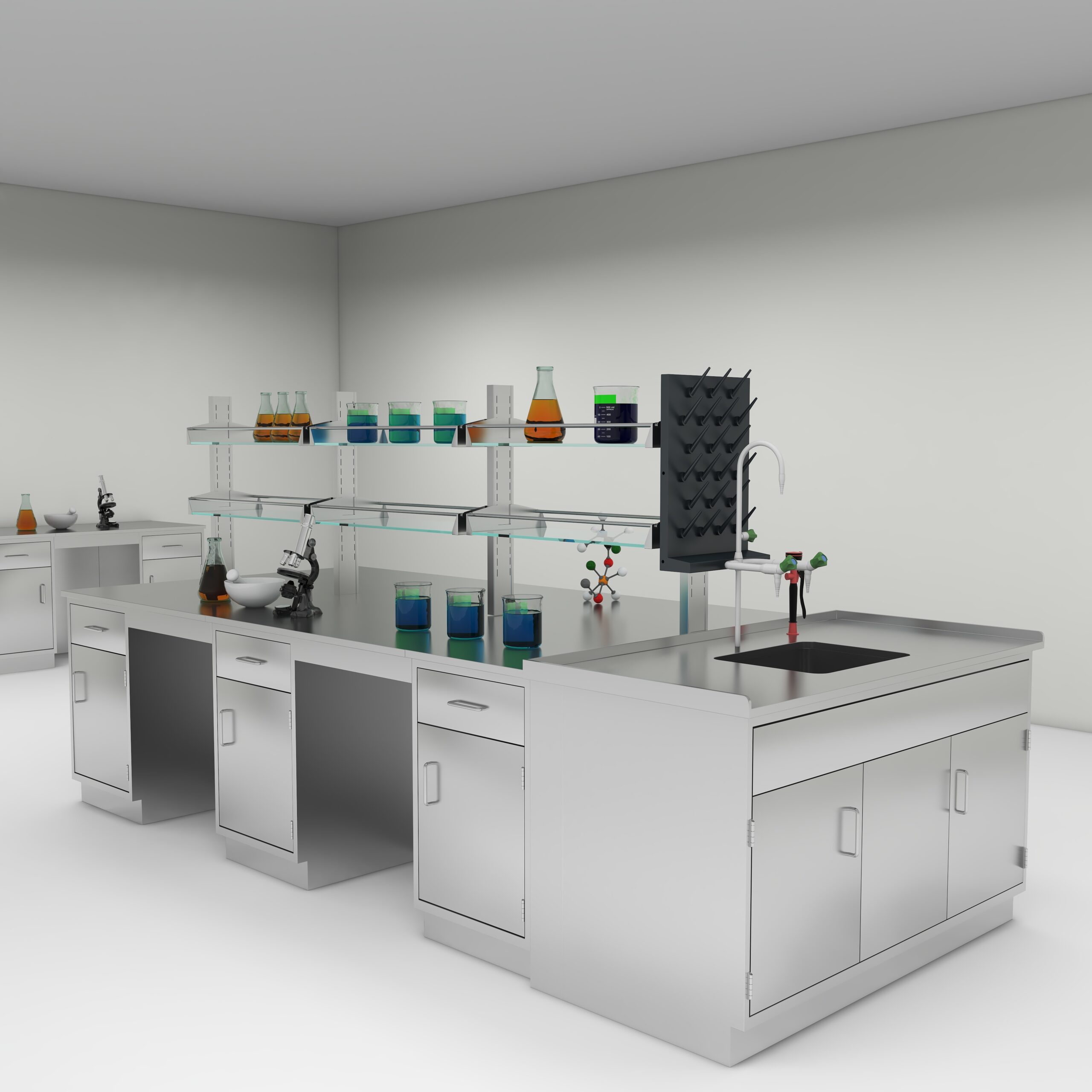
modular laboratory furniture

Modular Laboratory Furniture Systems for Modern Research Facilities

Modular laboratory furniture provides a flexible and efficient solution for modern laboratory environments. By combining adaptable workbenches, storage systems, and supporting components, modular solutions help laboratories create organized workspaces that can meet both current and future requirements. LANDRO provides customized laboratory furniture solutions for research institutions, universities, and industrial laboratories, helping customers build reliable and efficient laboratory environments.

Introduction

Modern laboratories require more than traditional fixed furniture solutions. With changing research requirements, advanced equipment, and evolving workflows, laboratories need furniture systems that can adapt to future needs.

Modular laboratory furniture provides a flexible approach by allowing workbenches, storage units, cabinets, and supporting equipment to be configured according to different laboratory environments.

From university research facilities to pharmaceutical laboratories and industrial testing centers, modular lab furniture helps create efficient, organized, and scalable working spaces.

This guide explains the advantages, components, applications, and key considerations when choosing a modular laboratory furniture system.

Quick Answer

Modular laboratory furniture is a flexible laboratory furniture solution that allows workbenches, cabinets, storage units, and accessories to be configured and expanded according to laboratory requirements. It is widely used in research laboratories, universities, healthcare facilities, and industrial testing environments where adaptability and efficiency are important.

What Is Modular Laboratory Furniture?

Modular laboratory furniture is a system-based approach to laboratory design where different furniture components are manufactured as independent units and combined into a complete laboratory workspace.

Instead of using fixed furniture layouts, modular systems allow different components to be combined according to the actual needs of each laboratory. Workbenches, cabinets, storage units, and accessories can be arranged based on available space, equipment requirements, and workflow processes.

This approach allows laboratories to create more efficient working environments while maintaining flexibility for future changes.

Why Choose Modular Laboratory Furniture?

Flexible Laboratory Layout

Laboratory operations often change over time. New instruments may be introduced, research processes may be updated, or additional workspace may be required.

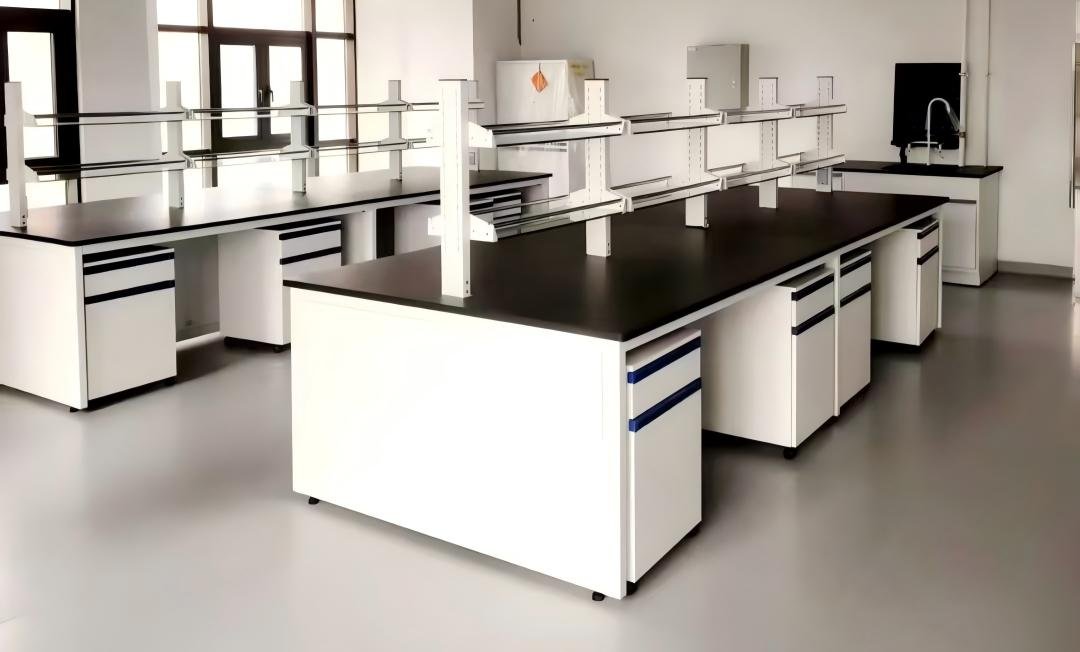
A modular laboratory furniture system allows laboratories to adjust their layout without replacing the entire installation. Components can be moved, added, or reorganized according to changing requirements.

This flexibility is especially valuable for research facilities and educational laboratories where workspace requirements frequently change.
Better Workflow Efficiency

A well-designed laboratory should support smooth movement between different working areas.

Modular furniture helps organize laboratory zones according to actual processes, such as sample preparation, testing, analysis, and equipment operation.

By improving workspace arrangement, modular systems help reduce unnecessary movement and create a more efficient laboratory workflow.
Easier Future Expansion

Laboratories are long-term investments. A workspace that meets today's requirements may need upgrades in the future.

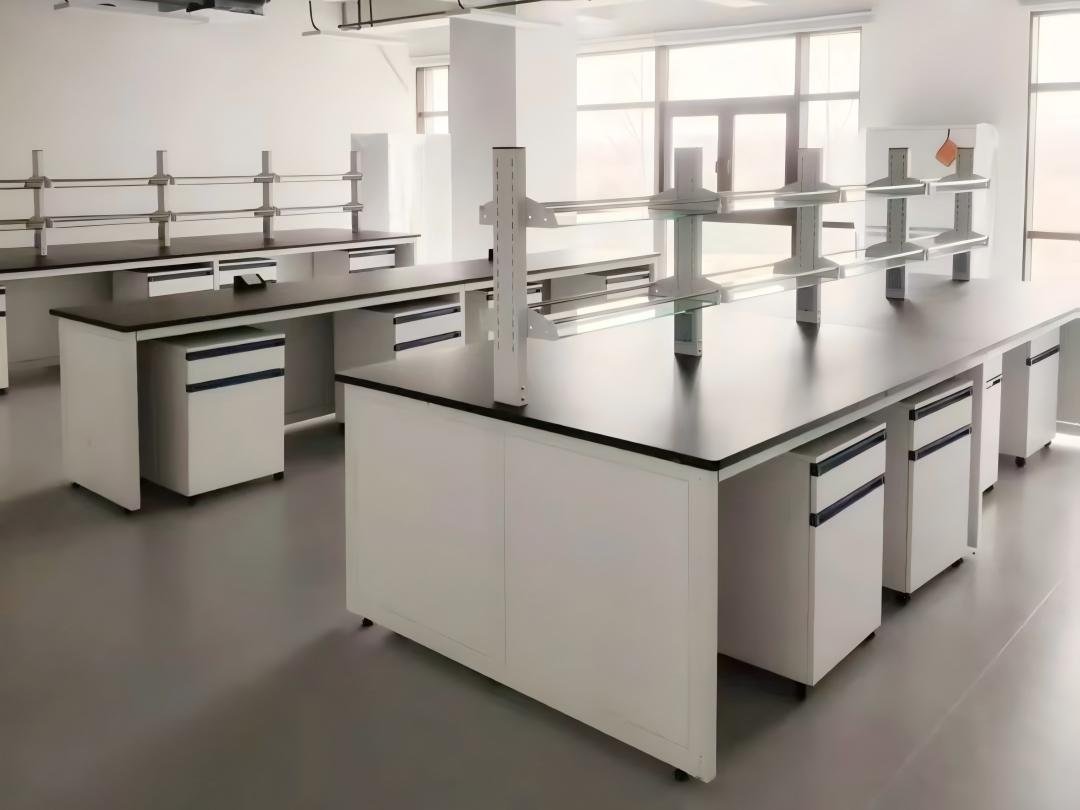
With modular laboratory furniture, additional workbenches, storage units, or supporting components can be integrated into the existing system.

This makes modular solutions a practical option for laboratories planning future expansion.
Main Components of a Modular Laboratory Furniture System

Laboratory Workbenches

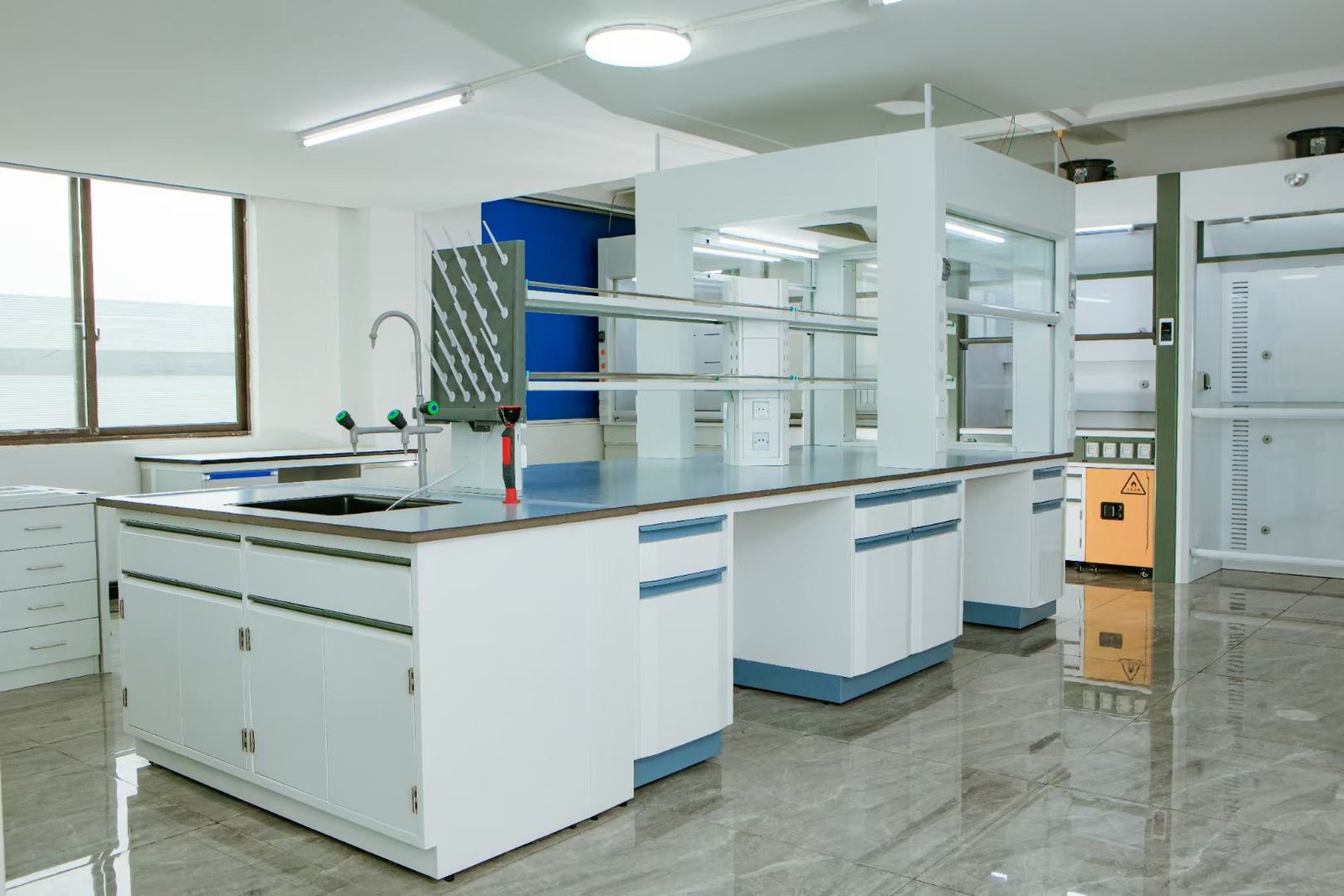
Laboratory workbenches are the core part of a modular furniture system.

Different laboratory environments may require different bench materials and configurations. Steel workbenches are commonly used for general research applications because of their durability and structural strength. PP workbenches are suitable for chemical environments where higher chemical resistance is required. Stainless steel workbenches are often selected for clean and hygiene-focused applications.

A modular design allows workbench sizes, storage options, and accessories to be customized according to laboratory needs.
Laboratory Storage Systems

Storage is an essential part of laboratory organization.

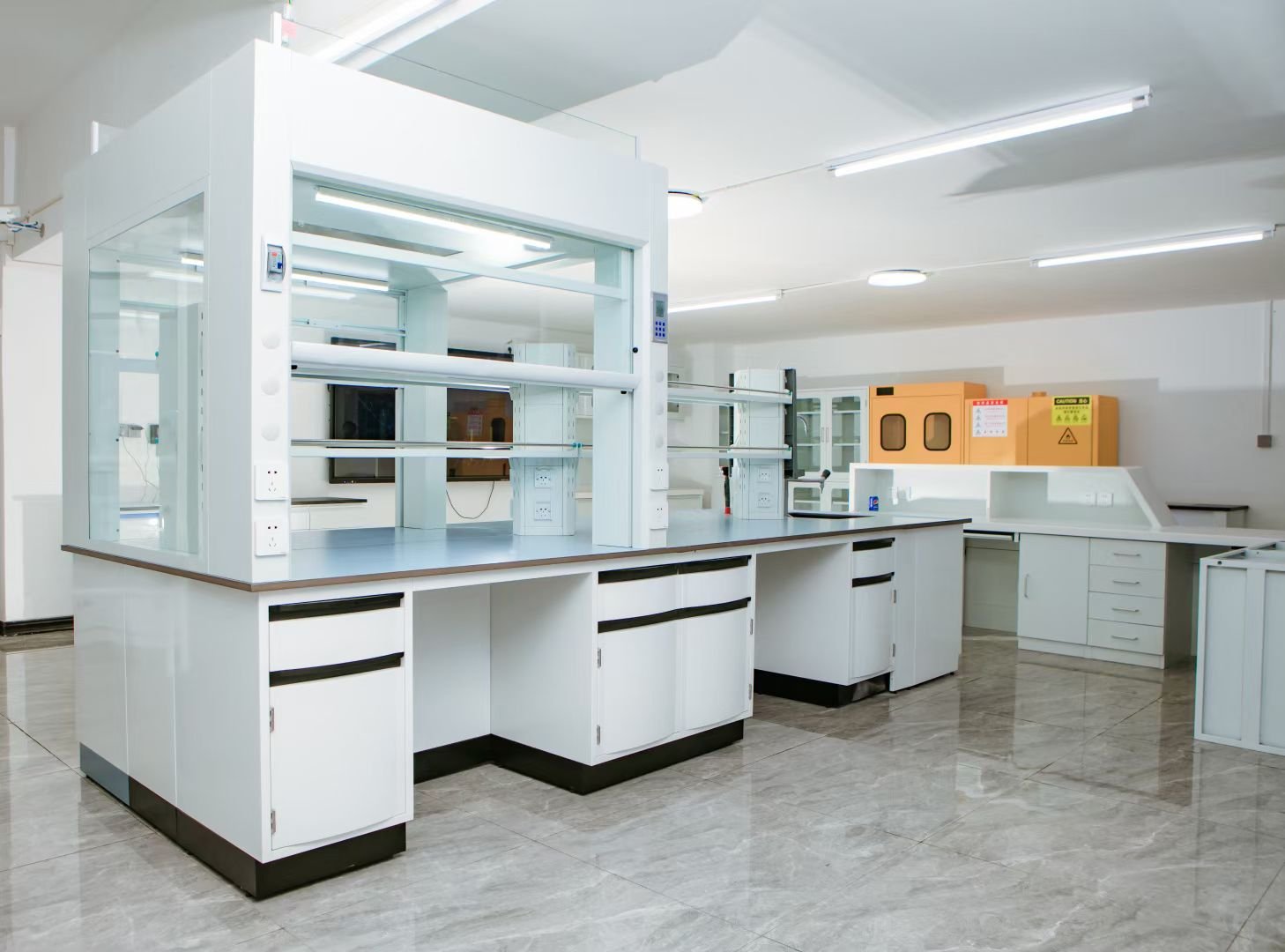
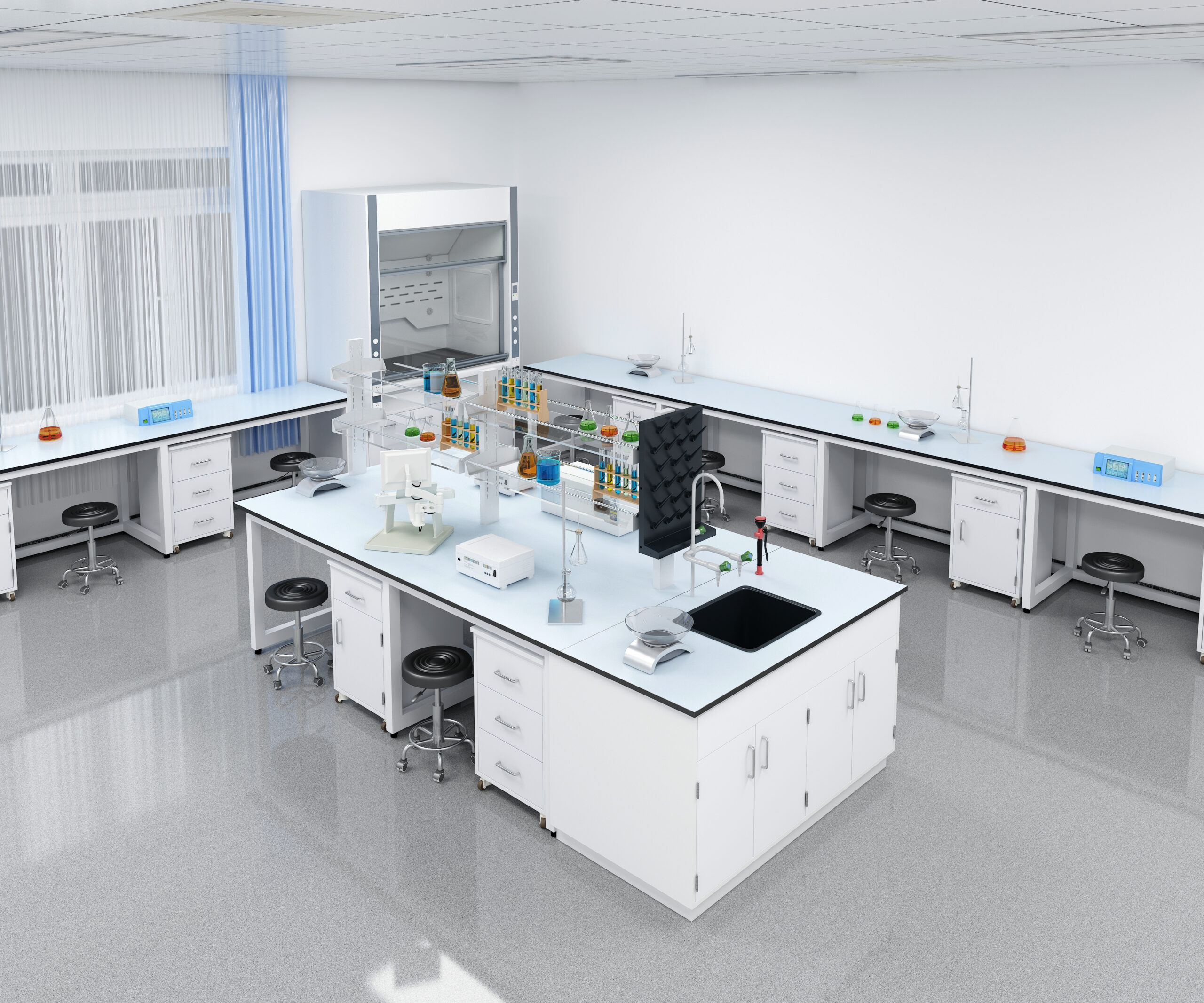
Modular storage solutions allow laboratories to integrate cabinets, drawers, and mobile storage units into the overall workspace design.

Proper storage planning improves safety by keeping equipment, samples, and laboratory supplies organized while maintaining a clean working environment.

Integrated Laboratory Accessories

Modern laboratories often require additional functional components.

Modular laboratory furniture can be designed with supporting accessories such as electrical solutions, sink units, shelving systems, and equipment support structures.

Integrating these elements during the planning stage helps create a complete and efficient laboratory workspace.

Typical Applications

University and Research Laboratories

Universities and research institutions often require flexible laboratory spaces because different projects may use different equipment and workflows.

Modular laboratory furniture allows these laboratories to adjust workspace layouts while maintaining long-term usability.

Pharmaceutical Laboratories

Pharmaceutical laboratories require organized working environments with reliable furniture performance.

Modular systems can support different laboratory processes, including testing, research, and quality control activities.

Industrial Testing Laboratories

Industrial laboratories usually operate with various testing instruments and changing requirements.

Modular furniture provides durable workspaces while allowing future adjustments when equipment or processes change.

Expert Tips

Furniture selection should always follow laboratory planning. Understanding workflow, equipment location, and future requirements helps ensure the modular system provides the best performance.

Different laboratory areas may require different materials. General research areas often prioritize strength and durability, while chemical or hygiene-sensitive environments may require specialized surfaces. Selecting the right material at the beginning helps improve service life and reduce maintenance costs.

A professional supplier should provide more than furniture products. Experience in laboratory design, manufacturing, and project support helps ensure the final solution matches practical laboratory requirements.

When planning laboratory layouts, designers should also consider recommendations from U.S. Department of Labor – Laboratory safety guidelines

Frequently Asked Questions

What are the advantages of modular laboratory furniture?

Modular laboratory furniture provides flexibility, better space utilization, easier expansion, and improved workflow organization.

Can modular laboratory furniture be customized?

Yes. Modular systems can be customized according to laboratory layout, equipment requirements, materials, and storage needs.

Where is modular laboratory furniture commonly used?

It is widely used in research laboratories, universities, pharmaceutical facilities, medical laboratories, and industrial testing centers.

READY TO PLAN YOUR LAB?

Partner with Landro’s engineering team to build a safe, efficient, and fully compliant research environment.

  • Free Consultation — Discuss your workflow and spatial constraints with experts.
  • Compliance Assured — Standardized designs passing SEFA & ASHRAE audits.
  • 3D Concept Preview — Visualize your laboratory before committing to construction.

Leave a Reply

Your email address will not be published. Required fields are marked *