laboratory workflow

Laboratory Workflow: How to Improve Efficiency, Safety, and Productivity

A well-designed laboratory workflow allows laboratories to operate more safely, efficiently, and productively. By carefully planning laboratory layout, furniture placement, storage systems, and utility integration, laboratories can improve daily operations while preparing for future growth. LANDRO provides customized laboratory furniture, laboratory workbenches, storage systems, and laboratory planning solutions designed to help organizations build more efficient laboratory workflows.

Introduction

An efficient laboratory workflow is the foundation of every successful laboratory. Whether working in a pharmaceutical laboratory, research institute, university, or industrial testing facility, a well-designed workflow allows technicians to complete tasks safely, accurately, and with minimal wasted movement.

Many laboratories invest in new equipment but overlook workflow planning. Poor workstation arrangements, inefficient storage locations, and unnecessary walking distances can reduce productivity, increase operating costs, and even create safety risks.

This guide explains how laboratory workflow is designed, the factors that influence efficiency, and practical methods for improving laboratory performance through better planning and laboratory furniture selection.

Quick Answer

Laboratory workflow is the organized sequence of activities performed inside a laboratory. Optimizing laboratory workflow through efficient laboratory layout, ergonomic furniture, proper storage, and well-designed ventilation systems improves productivity, reduces errors, and creates a safer working environment.

Why Laboratory Workflow Matters

A laboratory is much more than a collection of benches and equipment. Every experiment, inspection, and testing procedure follows a series of connected steps.

If laboratory staff constantly move between distant workstations, search for equipment, or wait for shared resources, productivity quickly decreases.

A well-planned laboratory workflow minimizes unnecessary movement while ensuring that equipment, storage, and utilities remain easily accessible throughout daily operations.

Efficient workflow also helps laboratories reduce operational costs while improving consistency and safety.

Understand the Laboratory Process Before Designing

Before changing any laboratory layout, it is important to understand how work actually flows through the laboratory.

Every laboratory has different operating procedures, but most activities follow a similar sequence—from receiving samples and preparing materials to testing, recording results, and storing finished samples.

Mapping these activities allows laboratory managers to identify unnecessary movement and bottlenecks that slow daily operations.

Instead of designing around furniture, successful laboratories design around the workflow itself.
Organize Workstations for Better Workflow

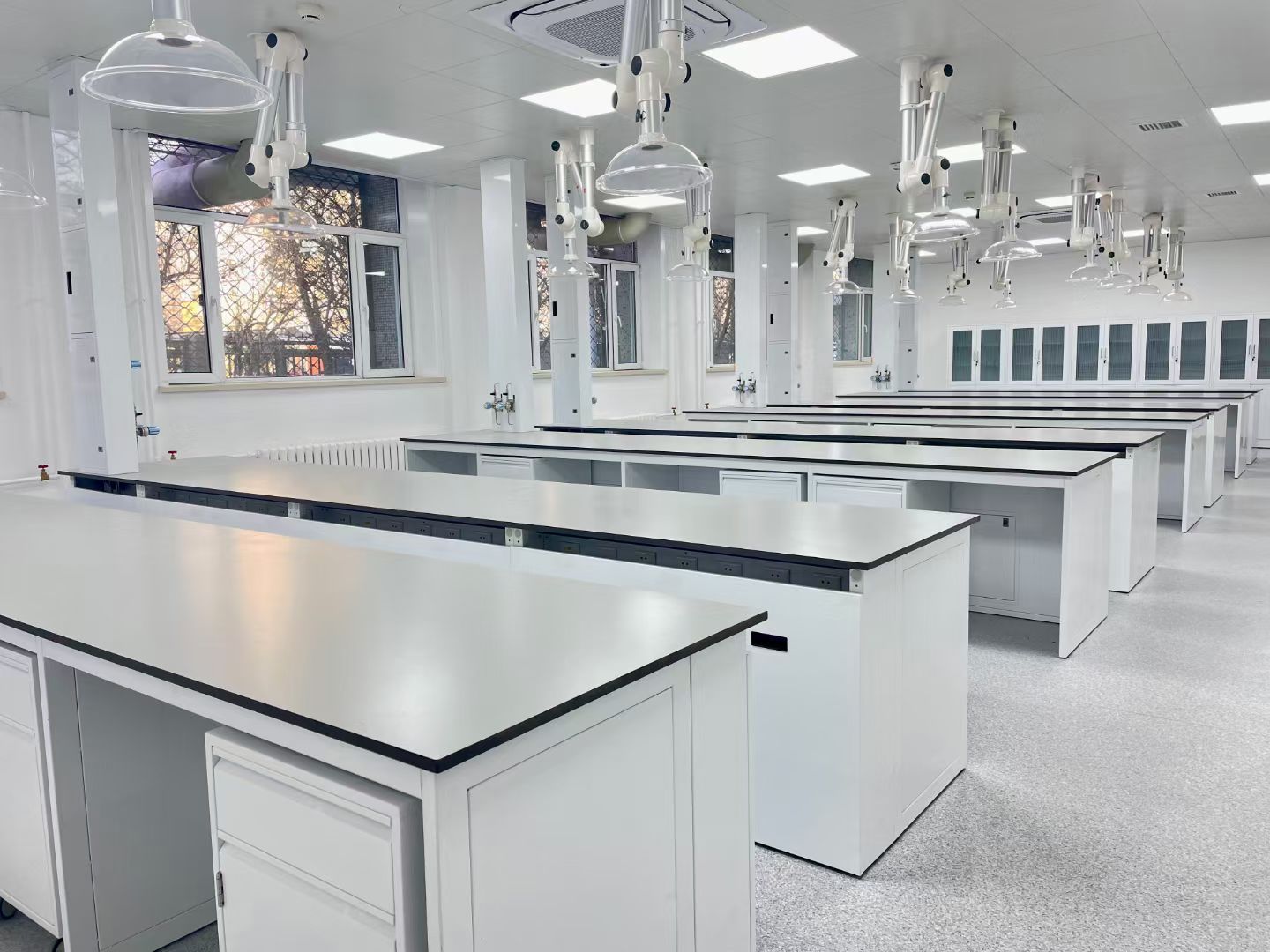
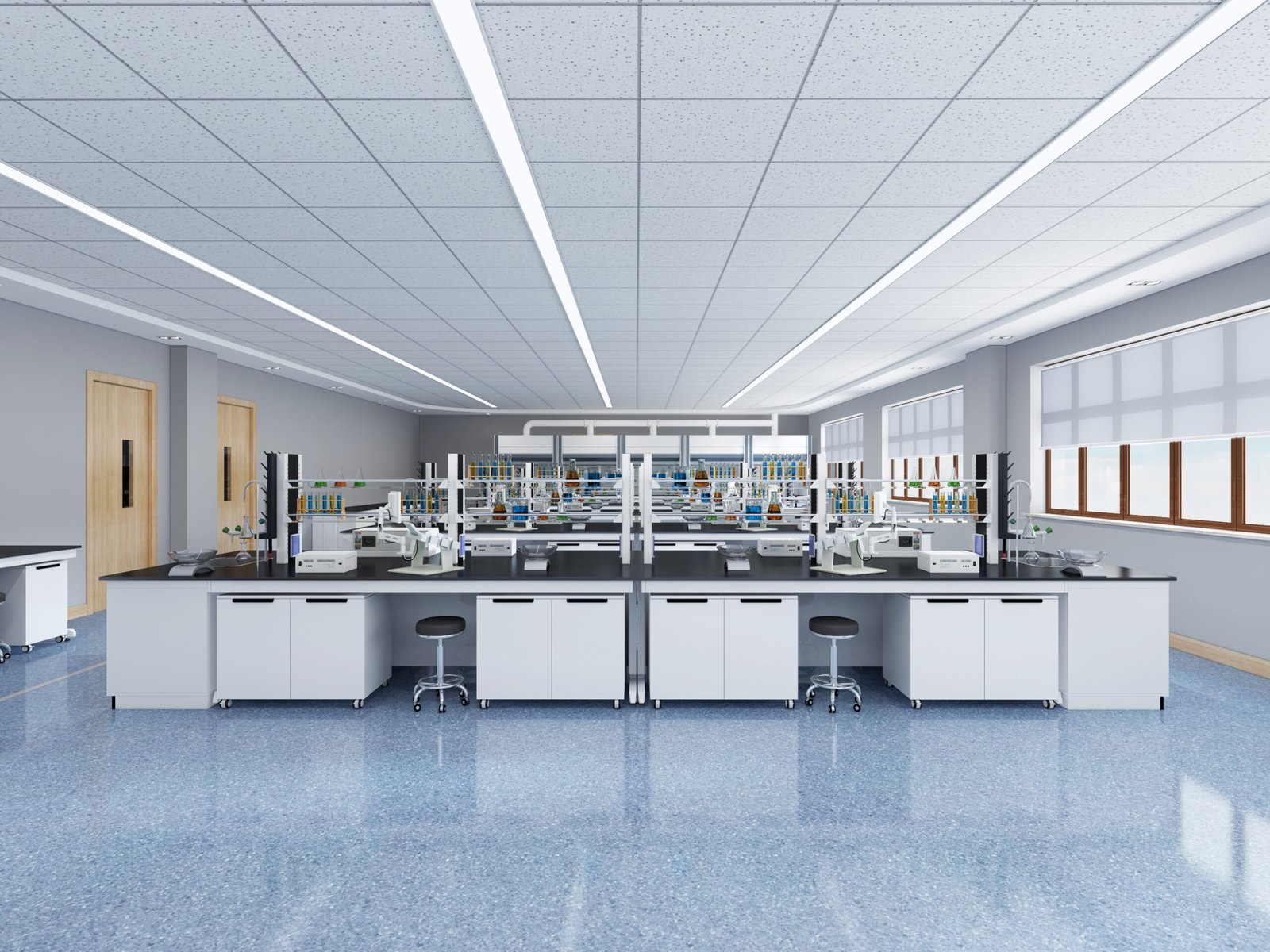
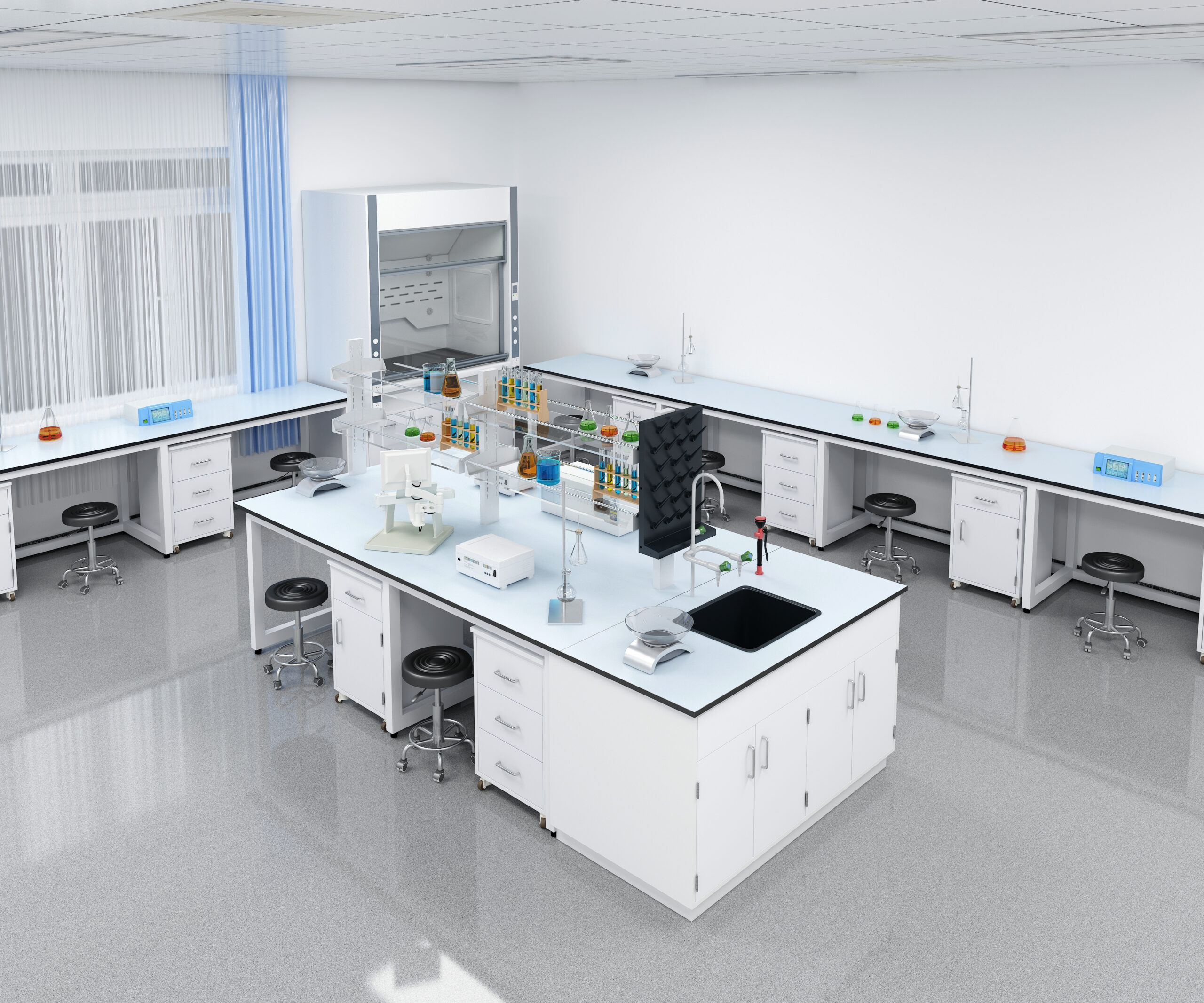
Laboratory benches should be positioned according to the order in which work is performed.

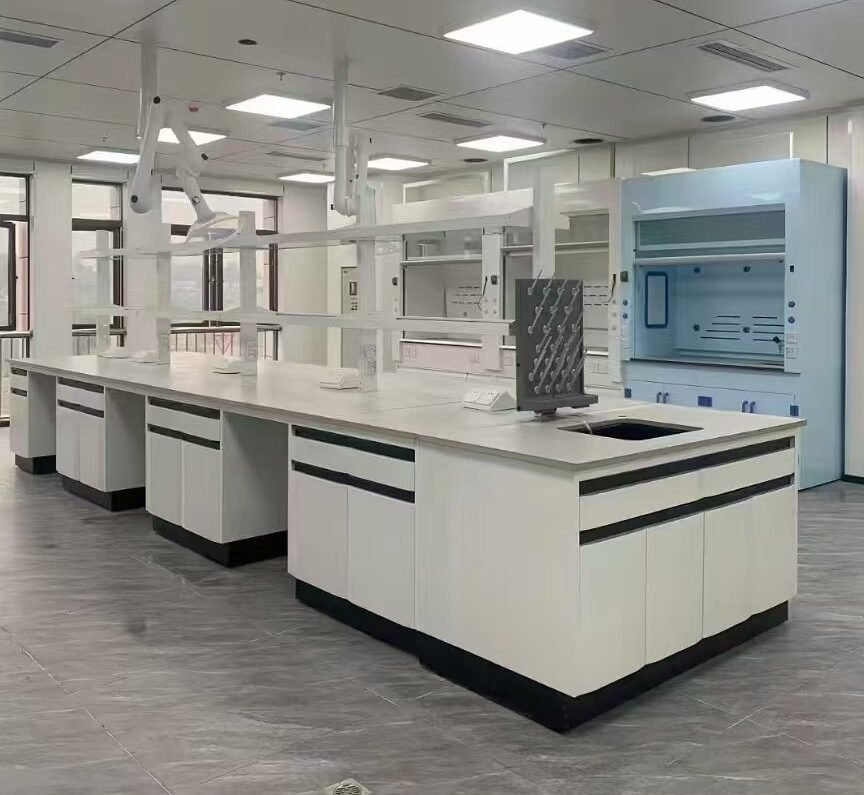
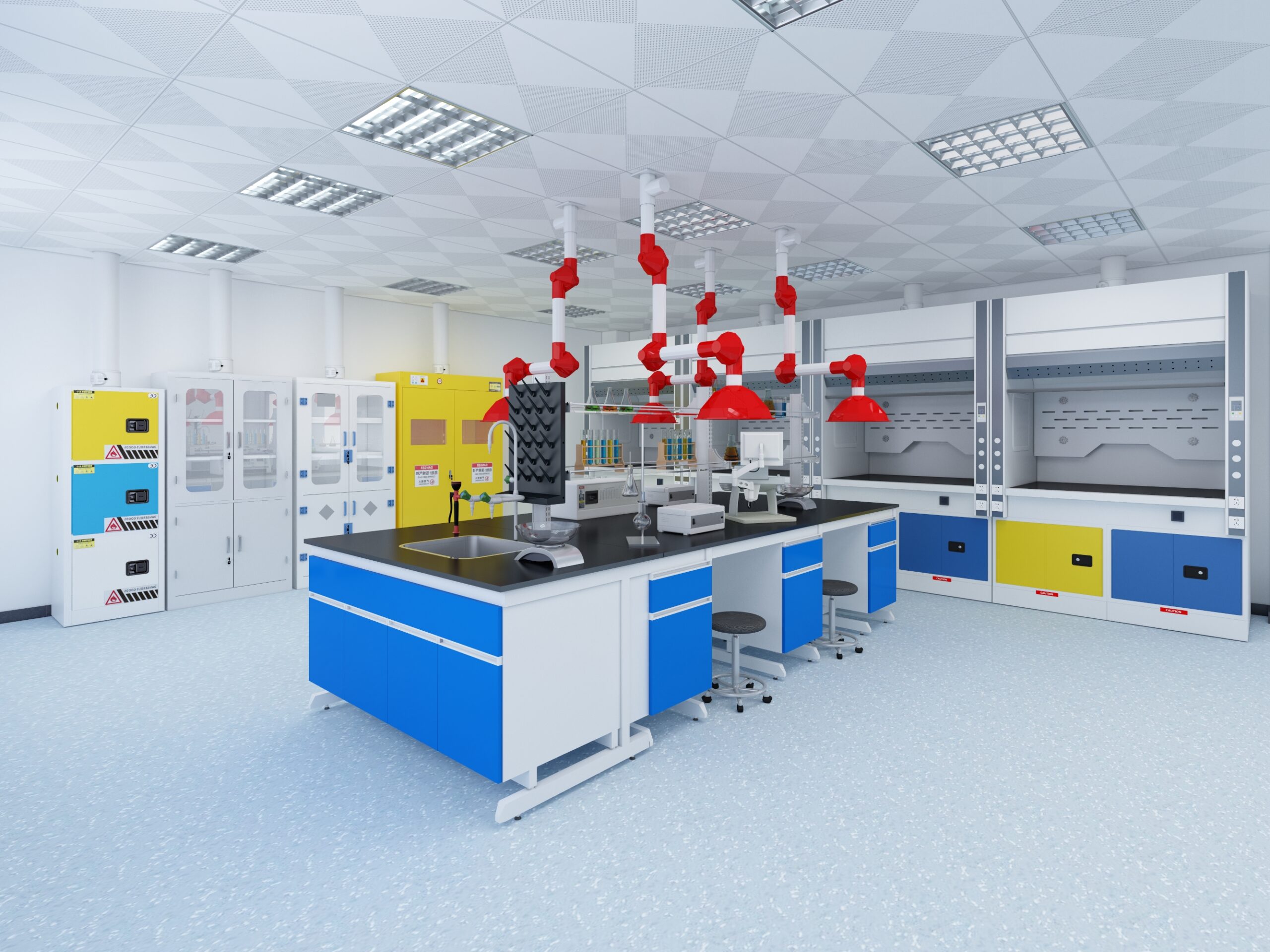
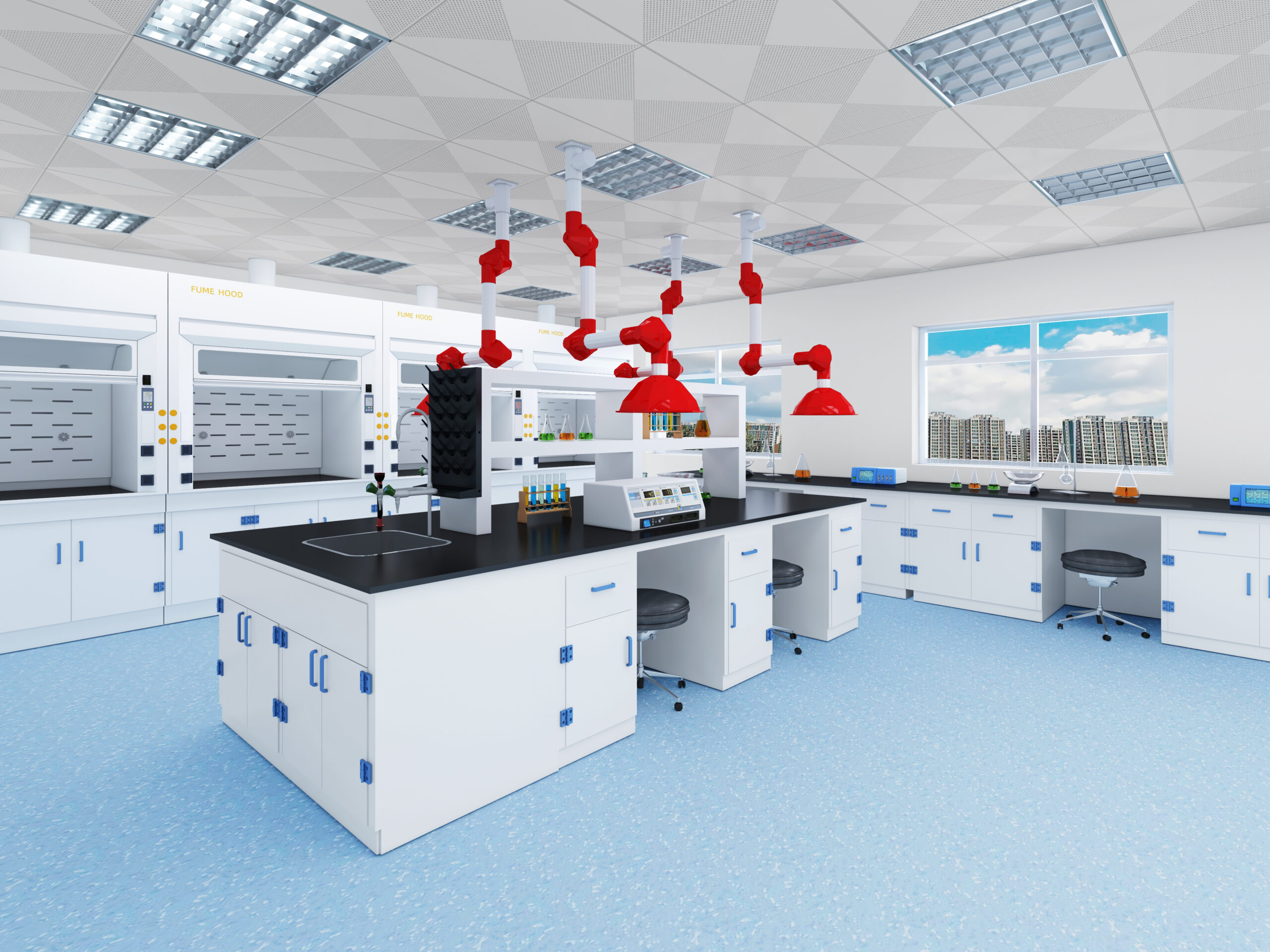
Frequently used equipment should remain close to primary workstations, while storage cabinets should be located where materials can be accessed without interrupting ongoing experiments.

Separating clean areas from chemical handling zones also improves laboratory safety while reducing the possibility of contamination.

Thoughtful workstation planning creates a smoother laboratory workflow and allows technicians to focus on their work instead of navigating the laboratory.
Improve Storage Efficiency

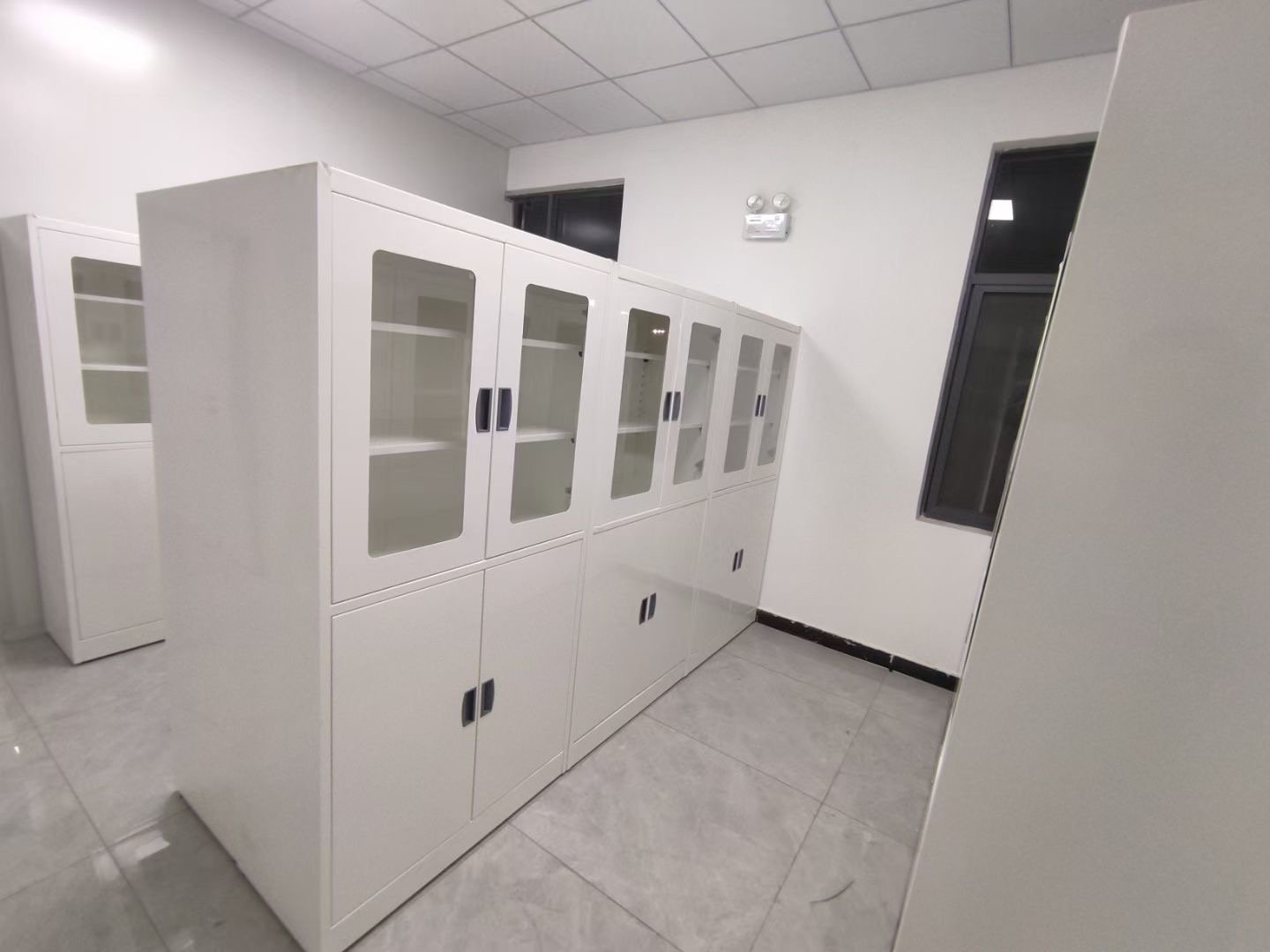
Poor storage organization is one of the most common causes of workflow interruption.

Frequently used chemicals, glassware, and laboratory tools should remain within comfortable reach, while rarely used materials can be stored in dedicated storage areas.

Proper labeling, modular laboratory cabinets, and organized storage systems reduce searching time and help laboratories maintain a clean and efficient working environment.
Integrate Utilities into the Workflow

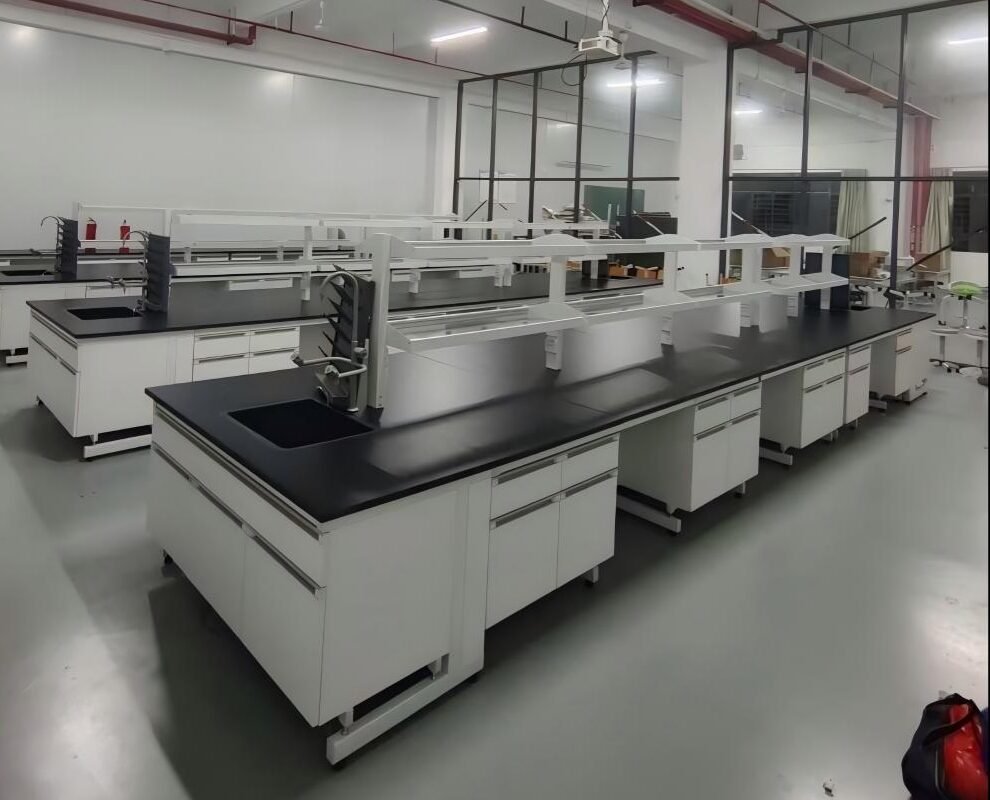
Electricity, gas, purified water, compressed air, and drainage should support laboratory operations rather than restrict them.

During laboratory planning, utility locations should correspond with workstation requirements so that equipment can operate without excessive hoses, extension cables, or temporary connections.

Good utility planning contributes directly to laboratory workflow efficiency while improving safety and simplifying future maintenance.
Typical Applications

Pharmaceutical Laboratories

Optimized workflow helps improve sample handling, documentation, and analytical testing while supporting regulatory compliance.

University Laboratories

Efficient laboratory workflow enables instructors and students to move safely between workstations during teaching activities.

Research Laboratories

Flexible laboratory workflow allows research teams to adapt quickly to changing experimental requirements.

Industrial Quality Control Laboratories

Improved workflow shortens inspection time and increases testing throughput without compromising accuracy.

Expert Tips

Workflow optimization should begin before purchasing laboratory furniture.

Observe how laboratory staff move throughout the facility during a typical working day. Small adjustments to bench locations, storage placement, or equipment positioning often produce significant improvements in laboratory efficiency.

Whenever possible, choose modular laboratory furniture that allows future workflow adjustments without major renovations.

When planning laboratory workflow should also consider recommendations from NIOSH laboratory safety resources

Frequently Asked Questions

What is laboratory workflow?

Laboratory workflow refers to the organized sequence of tasks, equipment, personnel, and materials involved in laboratory operations.

Why is laboratory workflow important?

Efficient laboratory workflow improves productivity, reduces unnecessary movement, minimizes errors, and enhances laboratory safety.

How can laboratory workflow be improved?

Laboratory workflow can be improved through better laboratory layout, ergonomic furniture, organized storage, integrated utilities, and proper ventilation planning.

Does laboratory furniture affect workflow?

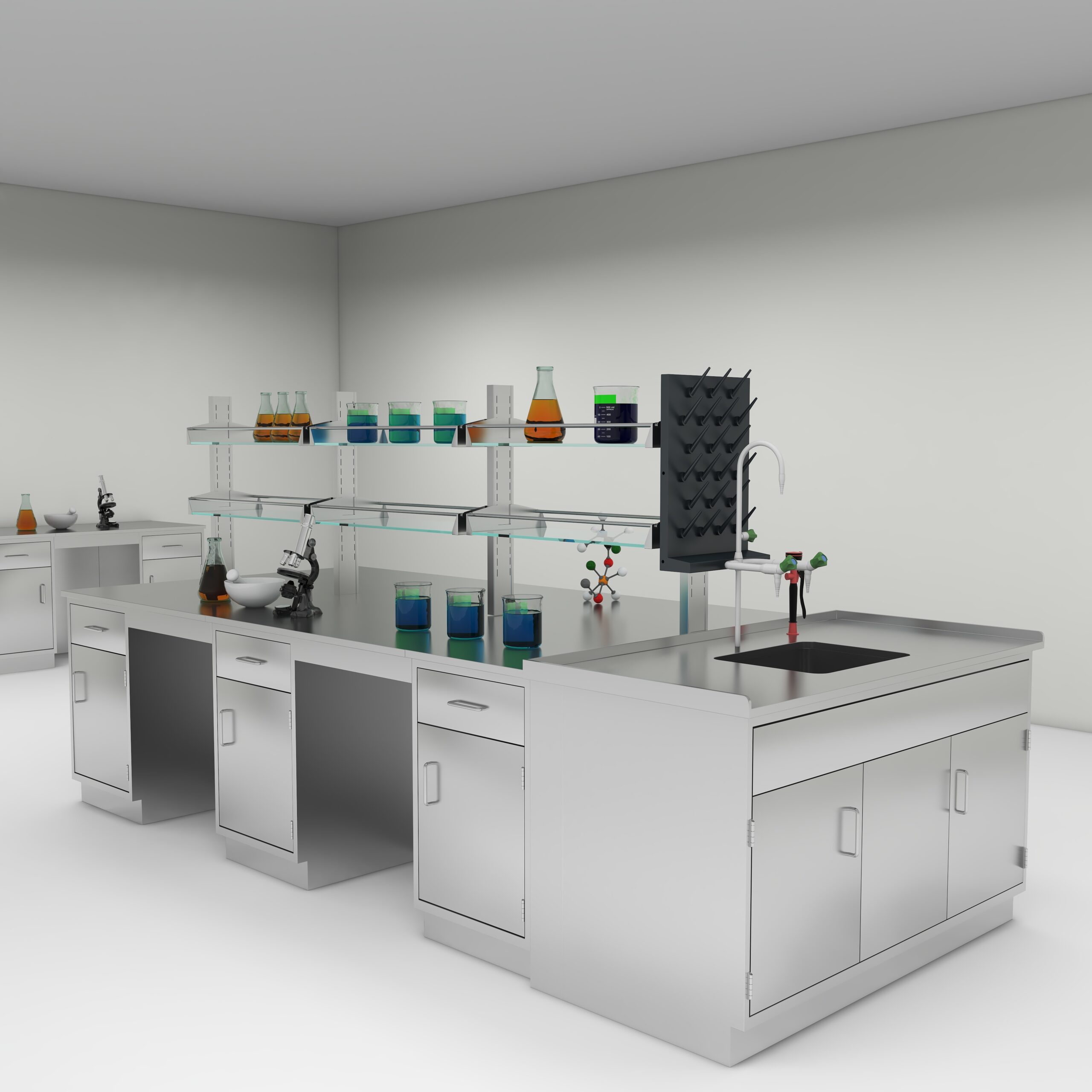
Yes. Well-designed laboratory furniture supports efficient movement, improves accessibility, and helps laboratories operate more effectively./p>

READY TO PLAN YOUR LAB?

Partner with Landro’s engineering team to build a safe, efficient, and fully compliant research environment.

  • Free Consultation — Discuss your workflow and spatial constraints with experts.
  • Compliance Assured — Standardized designs passing SEFA & ASHRAE audits.
  • 3D Concept Preview — Visualize your laboratory before committing to construction.

Leave a Reply

Your email address will not be published. Required fields are marked *