Mail Us:Landrolab@gmail.com

Laboratory Furniture for Pharmaceutical Laboratories: Design Considerations and Best Practices
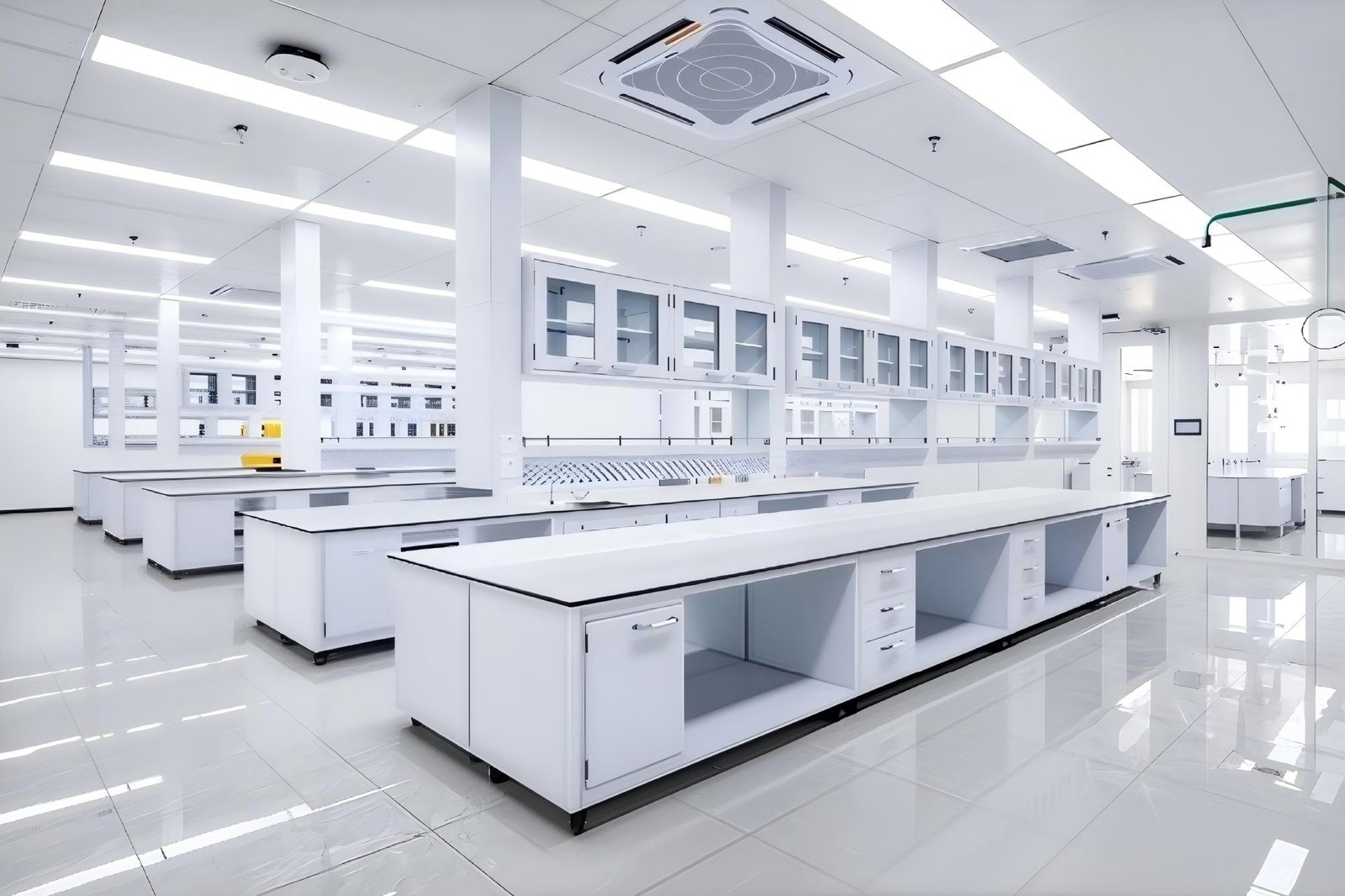
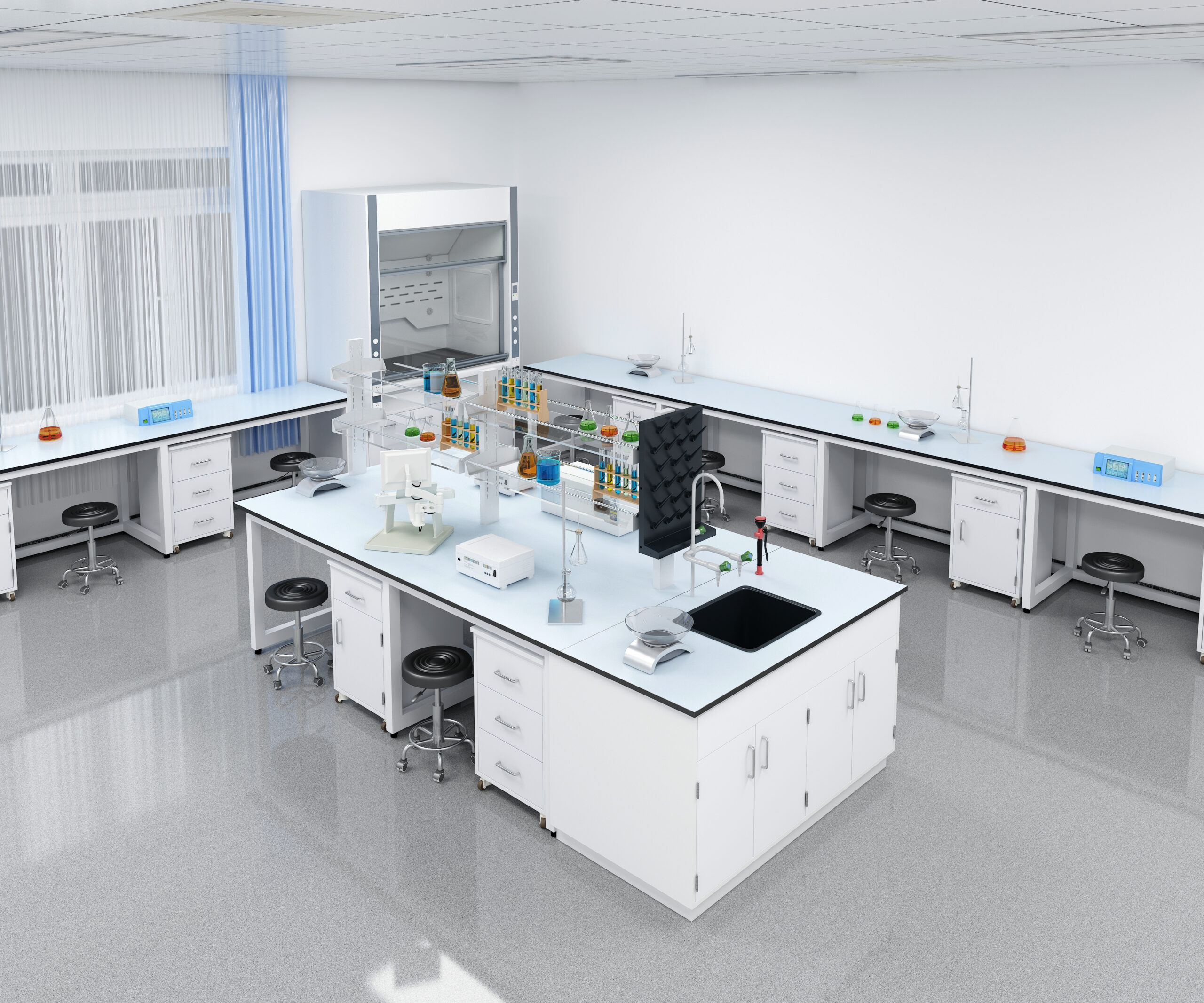
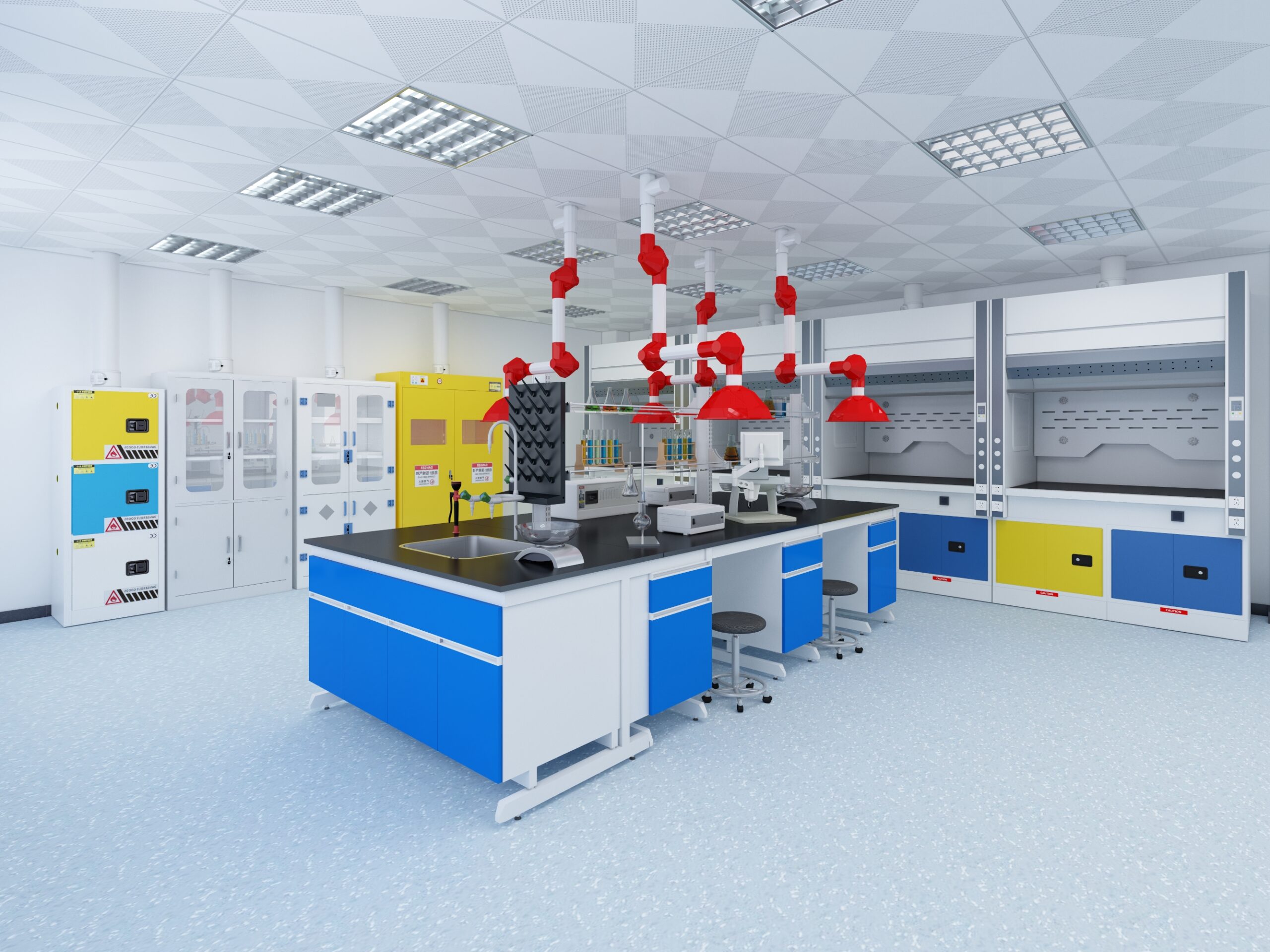
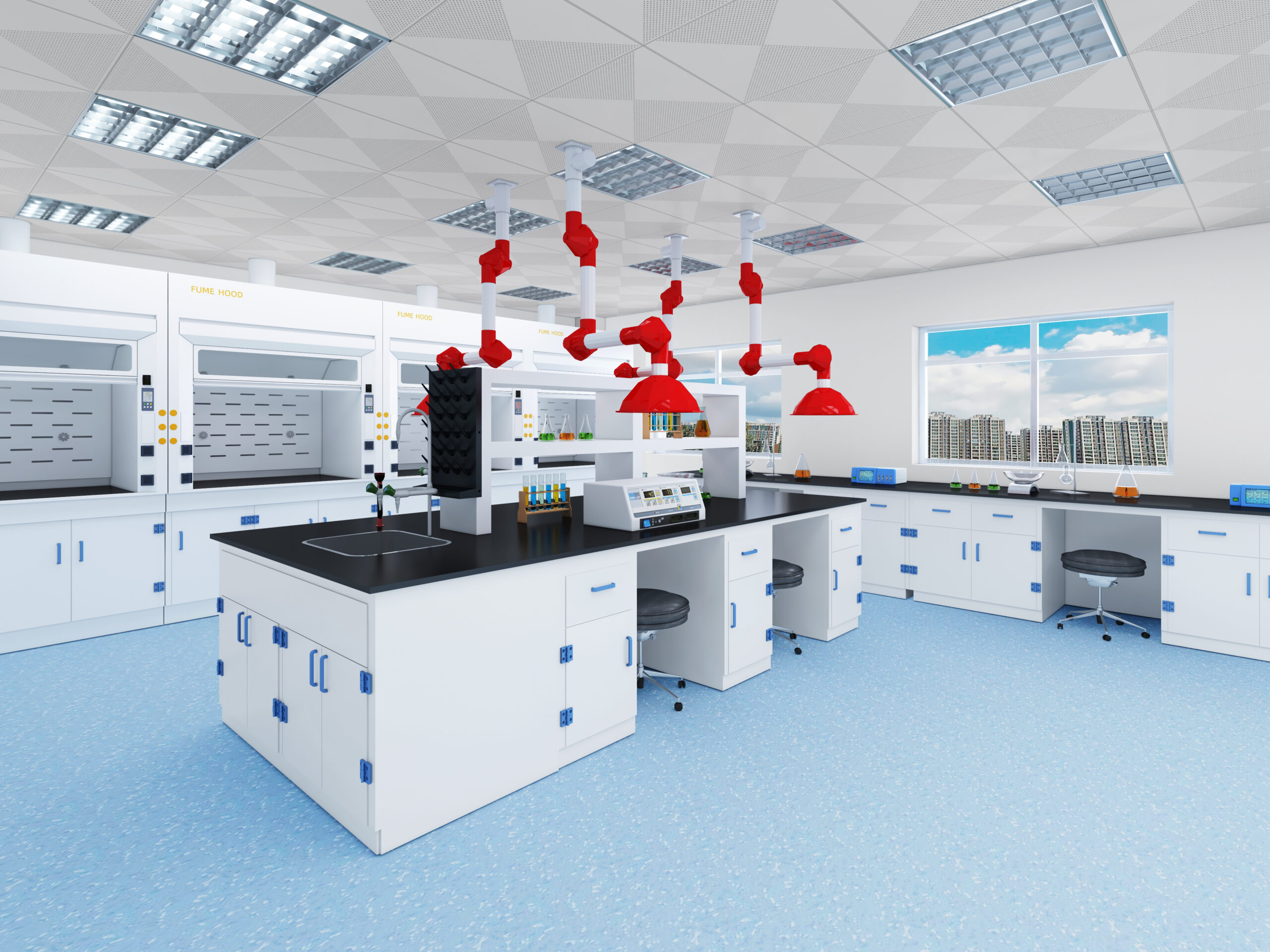
Choosing the right pharmaceutical laboratory furniture is an essential step in pharmaceutical laboratory planning. Appropriate materials, efficient layouts, and modular designs improve laboratory safety, operational efficiency, and long-term reliability. LANDRO provides customized laboratory furniture solutions for pharmaceutical laboratories, including full steel laboratory benches, stainless steel furniture, storage cabinets, and integrated laboratory systems designed to meet modern laboratory requirements.
Introduction
Pharmaceutical laboratories operate under some of the strictest standards in the laboratory industry. From drug development and quality control to analytical testing and microbiological research, every workspace must support accuracy, cleanliness, and regulatory compliance.
Unlike general laboratories, pharmaceutical facilities require laboratory furniture that can withstand frequent cleaning, resist chemical exposure, and provide long-term structural stability. Choosing the right laboratory furniture not only improves workflow efficiency but also helps laboratories maintain safe and controlled working environments.
This guide explains the key considerations when selecting laboratory furniture for pharmaceutical laboratories, including material selection, layout planning, storage solutions, and ventilation requirements.
Quick Answer
Laboratory furniture for pharmaceutical laboratories should prioritize chemical resistance, easy cleaning, durability, and ergonomic design. Full steel laboratory furniture is suitable for most pharmaceutical facilities, while stainless steel furniture is preferred for clean production areas requiring higher hygiene standards.
Why Pharmaceutical Laboratories Have Different Requirements
Pharmaceutical laboratories differ from ordinary research laboratories because they operate under strict quality management systems and often follow GMP (Good Manufacturing Practice) requirements.
Laboratory furniture must support routine cleaning and disinfection without degrading over time. Workstations should also accommodate analytical instruments while maintaining an organized workflow that minimizes contamination risks.
For many pharmaceutical projects, laboratory furniture becomes part of the overall quality assurance process rather than simply providing a working surface.
Choosing the Right Laboratory Furniture Materials
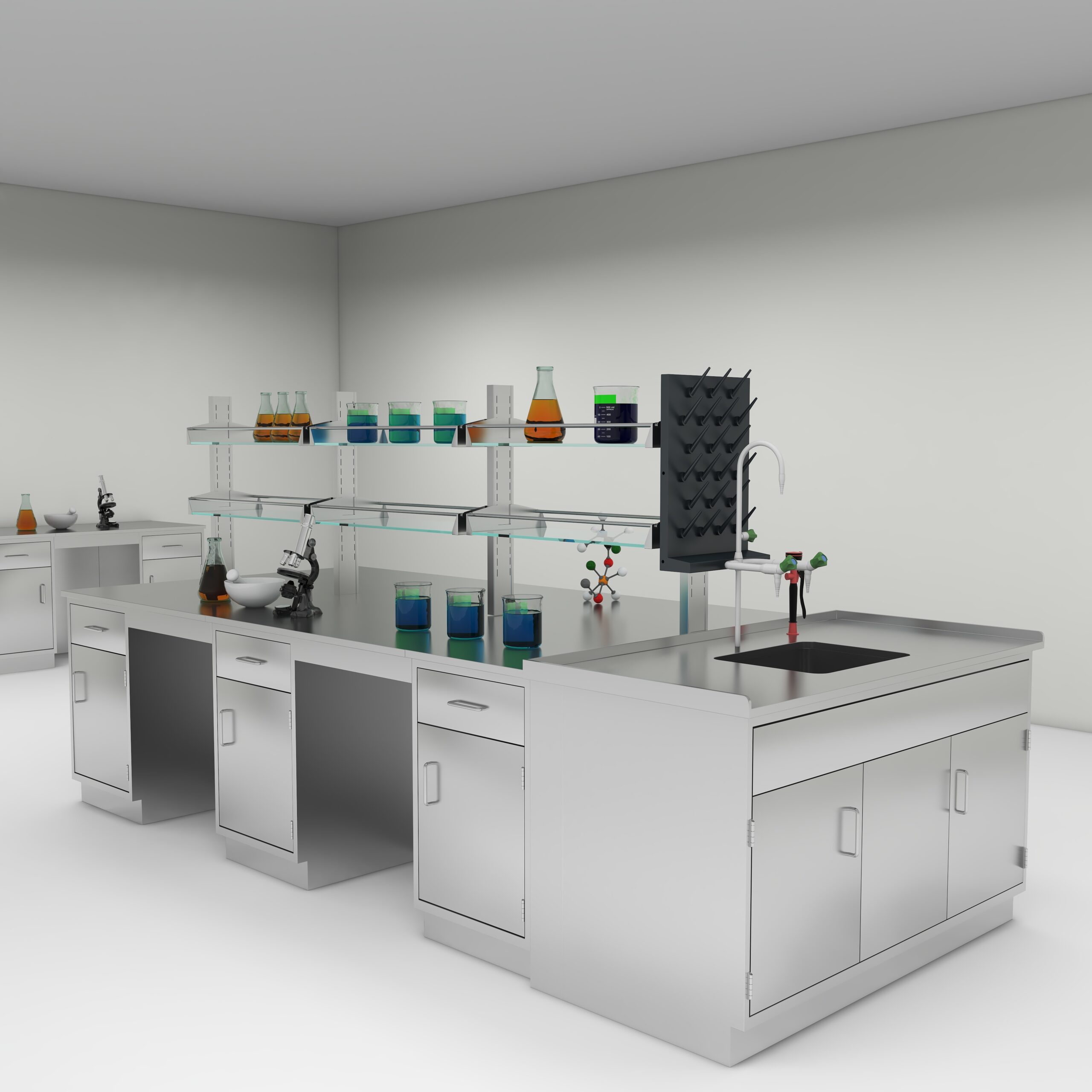
Full Steel Laboratory Furniture
Full steel laboratory furniture remains one of the most common solutions for pharmaceutical laboratories.
Its powder-coated steel construction provides excellent strength, long service life, and resistance to daily laboratory use. It also supports heavy analytical equipment while maintaining dimensional stability.
Stainless Steel Laboratory Furniture
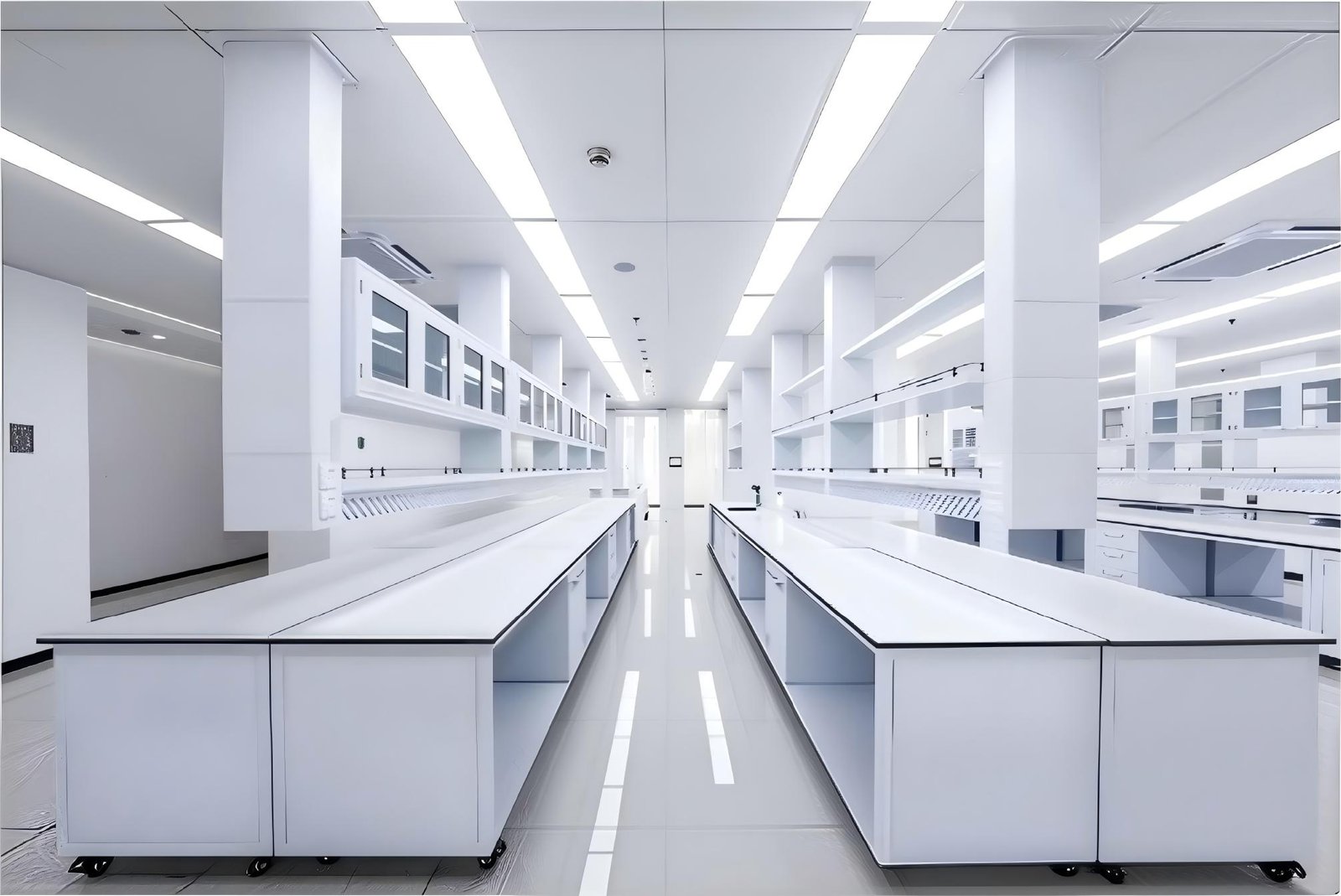
Stainless steel furniture is widely used in pharmaceutical production areas, microbiology laboratories, and sterile testing environments.
Its smooth surface simplifies cleaning and resists corrosion caused by frequent exposure to cleaning agents and disinfectants.
Where hygiene is the highest priority, stainless steel remains one of the preferred material choices.
Planning an Efficient Laboratory Layout
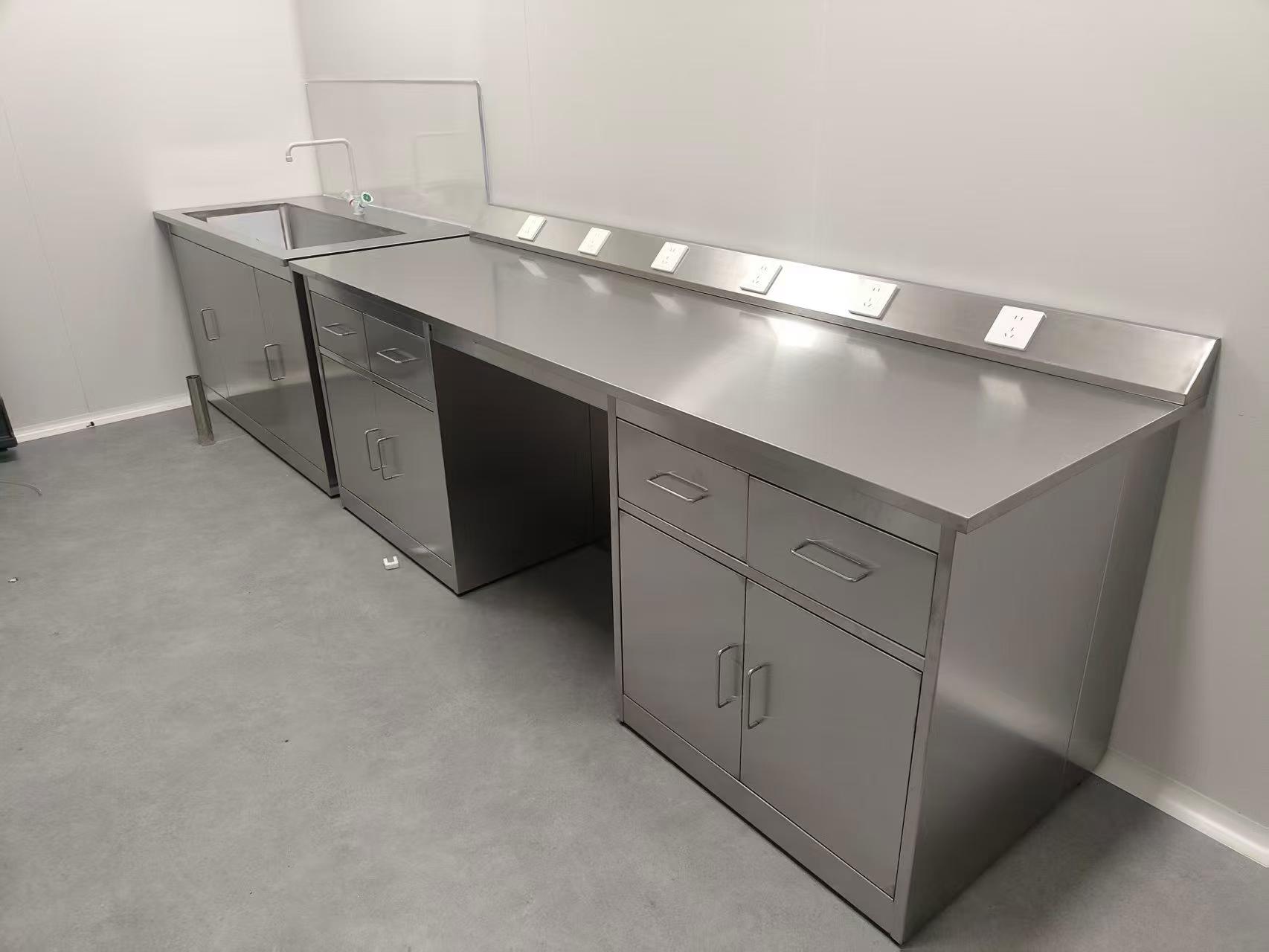
An effective pharmaceutical laboratory layout should support logical workflows while minimizing unnecessary movement.
Laboratory benches, storage cabinets, sinks, and fume hoods should be positioned according to daily operating procedures, allowing technicians to access equipment efficiently while maintaining safe working distances.
Proper laboratory planning also simplifies future equipment upgrades and laboratory expansion.
Storage and Organization
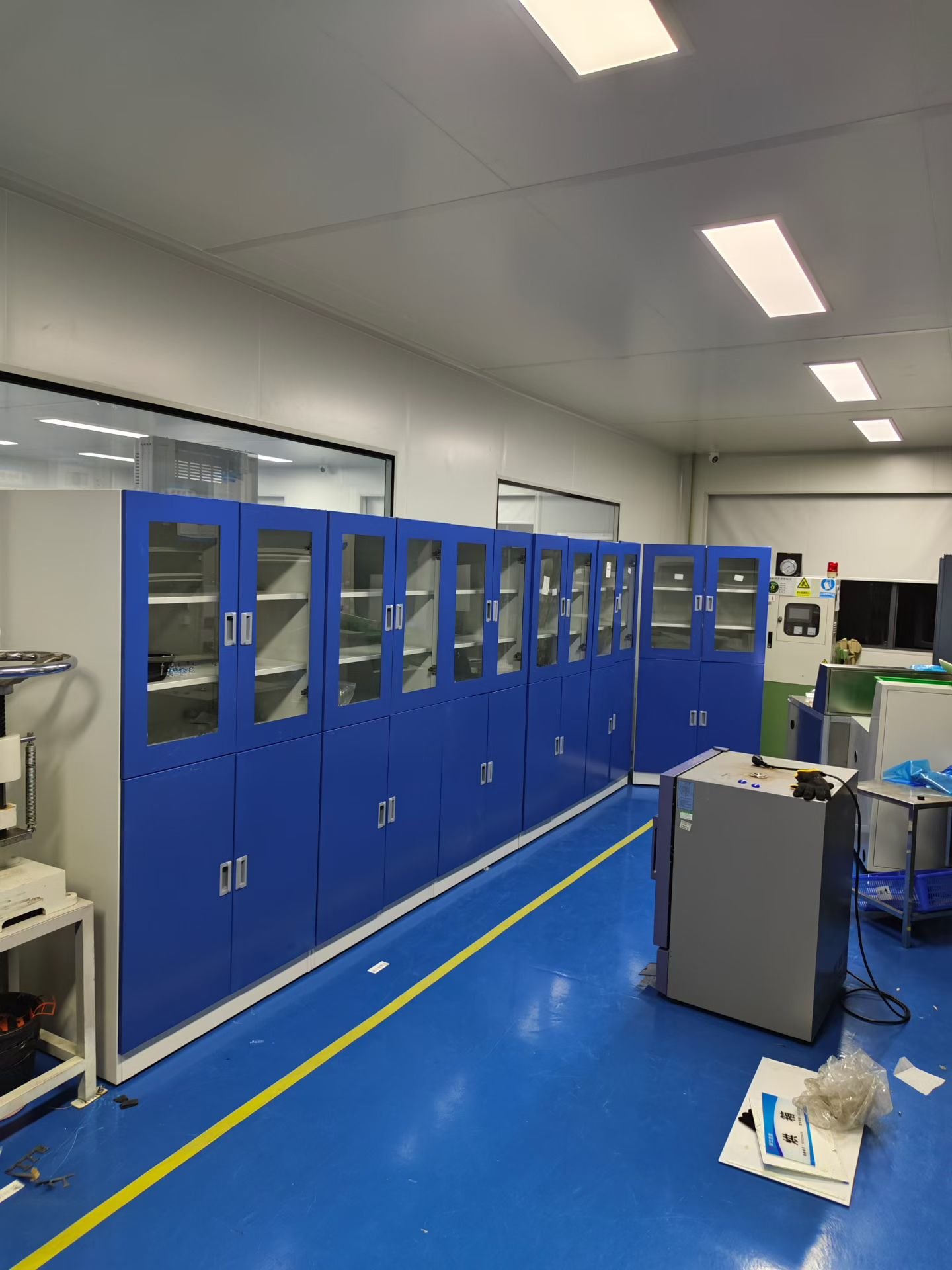
Pharmaceutical laboratories typically require dedicated storage for chemicals, glassware, instruments, and documentation.
Well-designed laboratory cabinets help maintain organized workspaces while reducing contamination risks.
Storage systems should also provide easy access to frequently used materials without interrupting laboratory operations.
Typical Applications
Pharmaceutical Research Laboratories
Research laboratories require flexible laboratory furniture capable of supporting changing equipment configurations and experimental procedures.
Quality Control Laboratories
Quality control laboratories often use full steel laboratory furniture because of its durability and compatibility with precision analytical instruments.
Microbiology Laboratories
Microbiology laboratories frequently select stainless steel furniture to simplify cleaning and maintain hygienic working conditions.
Pharmaceutical Production Support Laboratories
Supporting laboratories connected to production areas benefit from modular laboratory furniture that can adapt to future workflow changes.
Expert Tips
When designing pharmaceutical laboratories, laboratory furniture should be planned together with ventilation systems, utilities, and laboratory equipment instead of being treated as an independent purchase.
Selecting modular furniture systems allows future expansion while reducing renovation costs.
Investing in high-quality laboratory furniture often results in lower maintenance costs and longer service life.
When setting up a pharmaceutical laboratory, please visit the FDA’s official website to view relevant information. U.S. FOOD & DRUG
Frequently Asked Questions
Which material is best for pharmaceutical laboratory furniture?
Full steel laboratory furniture is suitable for most pharmaceutical laboratories, while stainless steel is preferred for areas requiring enhanced hygiene.
Can pharmaceutical laboratory furniture be customized?
Yes. Laboratory furniture can be customized according to laboratory dimensions, equipment requirements, storage needs, and workflow design.
Why is modular laboratory furniture important?
Modular systems make future expansion, maintenance, and equipment replacement much easier while reducing long-term operational costs.
READY TO PLAN YOUR LAB?
Partner with Landro’s engineering team to build a safe, efficient, and fully compliant research environment.
-
✓
Free Consultation — Discuss your workflow and spatial constraints with experts.
-
✓
Compliance Assured — Standardized designs passing SEFA & ASHRAE audits.
-
✓
3D Concept Preview — Visualize your laboratory before committing to construction.