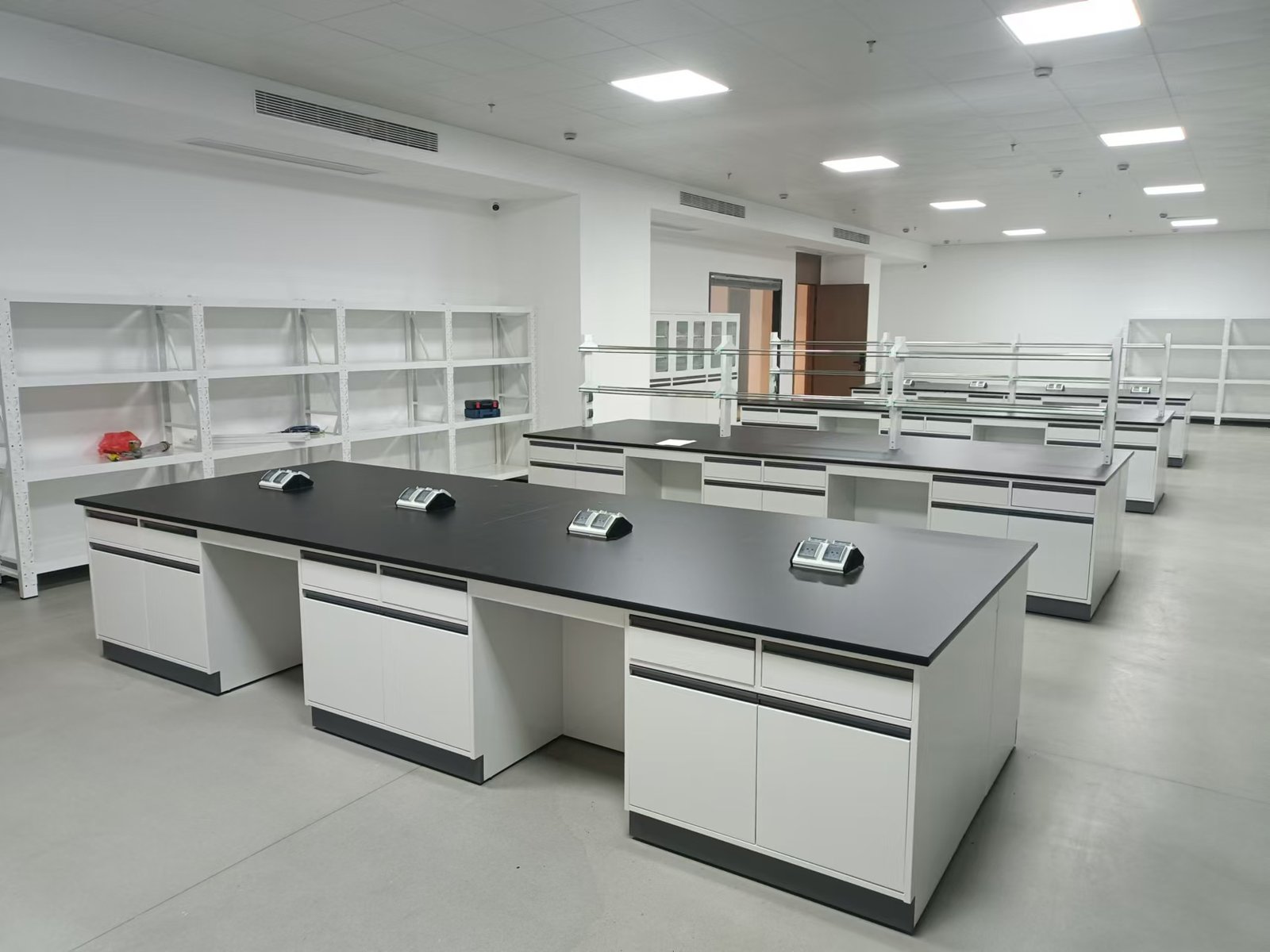
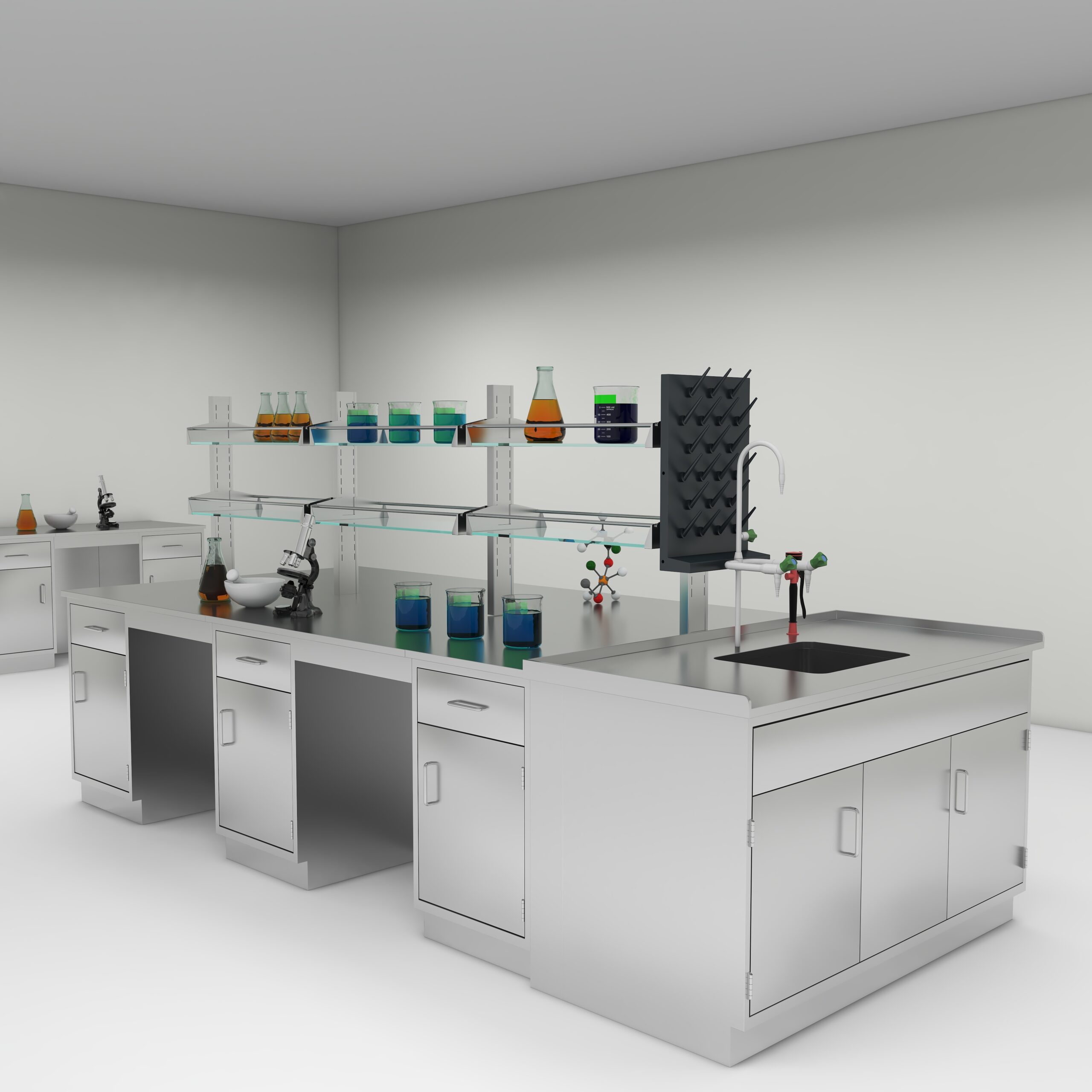
steel laboratory bench

Steel vs PP Laboratory Bench: Which Material Is Best for Your Laboratory?

Both steel laboratory benches and PP laboratory benches offer unique advantages. The best choice depends on laboratory applications, chemical exposure, equipment requirements, and future expansion plans.

Introduction

Selecting the right laboratory bench material is one of the most important decisions when planning a laboratory. While both steel laboratory benches and PP laboratory benches are widely used, they are designed for different working environments and operational requirements.

Steel laboratory benches are known for their excellent structural strength, durability, and versatility, making them suitable for most research and educational laboratories. PP laboratory benches, on the other hand, are specifically developed for laboratories handling corrosive chemicals where superior chemical resistance is essential.

This guide compares the two materials to help laboratory managers, contractors, and facility planners choose the most suitable solution.

Quick Answer

Steel laboratory benches are the preferred choice for general laboratories because they offer excellent strength, stability, and long-term durability. PP laboratory benches provide superior resistance to corrosive chemicals, making them ideal for chemical laboratories, acid handling areas, and environments exposed to aggressive substances.

Why Laboratory Bench Material Matters

The material of a laboratory bench affects much more than appearance. It influences load capacity, chemical resistance, maintenance requirements, service life, and even laboratory safety.

Choosing the wrong material may lead to premature damage, higher maintenance costs, or reduced operational efficiency. Selecting the right material ensures that laboratory furniture continues to perform reliably under daily working conditions.

Steel Laboratory Bench

Steel laboratory benches remain the most popular choice for universities, research institutes, quality control laboratories, and industrial testing facilities.

Constructed from cold-rolled steel with an epoxy powder-coated finish, they provide outstanding structural stability while resisting everyday wear and tear. Steel benches also support heavy laboratory instruments, making them suitable for analytical equipment and precision testing devices.

For laboratories requiring flexibility and long-term durability, steel laboratory benches provide an excellent balance between performance and investment.
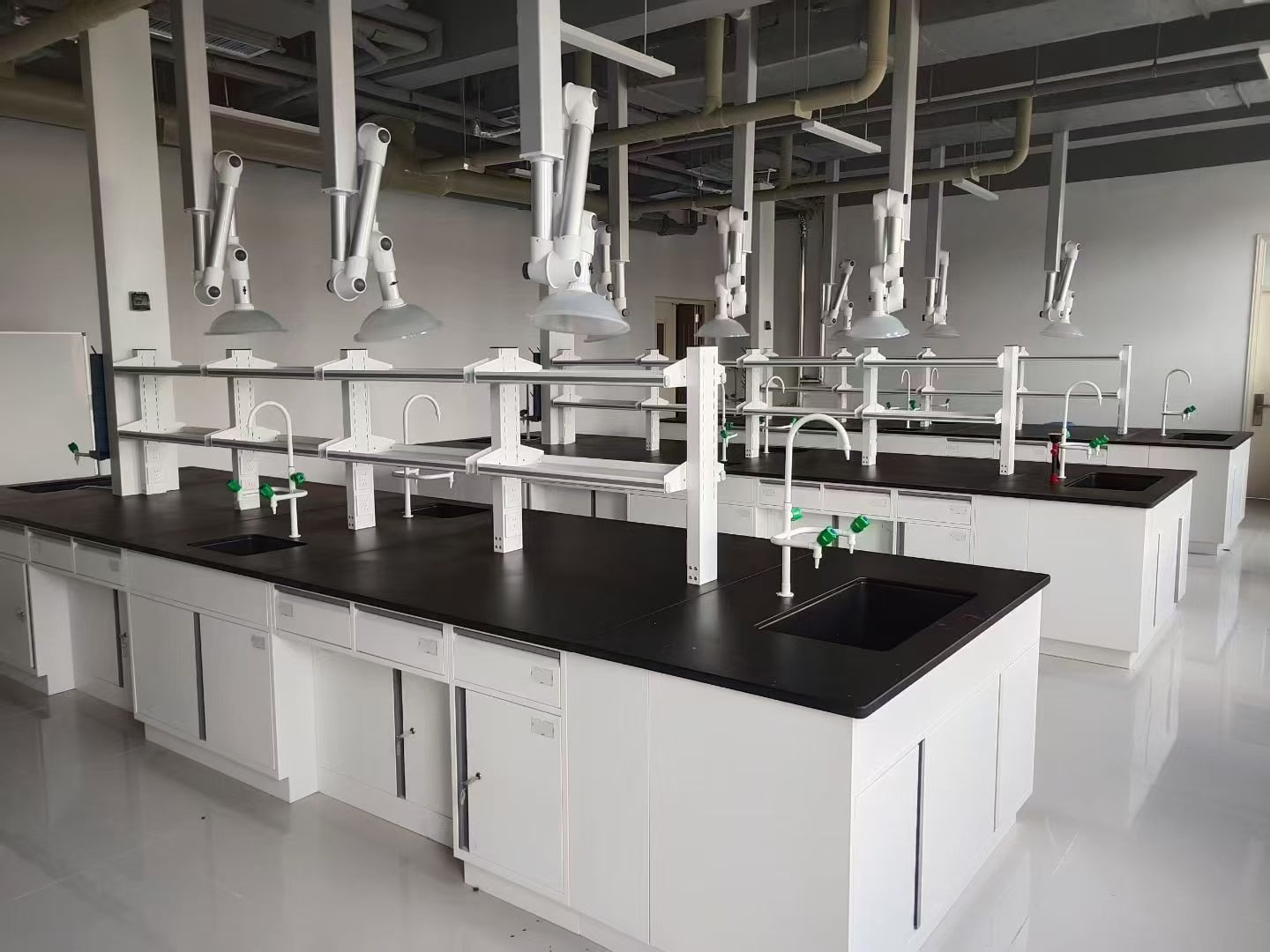
PP Laboratory Bench

PP laboratory benches are manufactured from polypropylene, a material recognized for its outstanding resistance to acids, alkalis, and corrosive chemicals.

Unlike steel, PP does not corrode when exposed to many aggressive substances, making it particularly suitable for chemical laboratories, environmental testing facilities, and acid digestion rooms.

Although PP benches offer excellent chemical resistance, they are generally selected for specialized laboratory applications rather than heavy-load environments.


Comparison Table

Feature PP Laboratory Bench Steel Laboratory Bench
Durability ★★★★ ★★★★★
Chemical Resistance ★★★★★ ★★★★☆
Moisture Resistance ★★★★★ ★★★☆☆
Load Capacity Medium Very High
Maintenance Low Low
Expected Service Life 15+ Years 20+ Years
Initial Cost Higher Higher
Recommended Applications Highly Corrosive Acid/Base Labs Pharmaceutical, Physical & General Labs

How to Choose Between Steel and PP

The correct choice depends on how the laboratory will be used.

Laboratories performing routine research, education, or quality control usually benefit from steel laboratory benches because of their strength and versatility.

Laboratories that regularly handle corrosive chemicals should consider PP laboratory benches to improve durability and reduce maintenance costs.

Many modern laboratories combine both materials, using steel benches in general working areas and PP benches in chemical processing zones.

Typical Applications

Steel Laboratory Bench

Steel laboratory benches are commonly installed in research laboratories, universities, industrial testing centers, and pharmaceutical quality control laboratories where durability and equipment support are essential.

PP Laboratory Bench

PP laboratory benches are widely used in chemical laboratories, environmental testing facilities, acid preparation rooms, and laboratories that frequently work with corrosive substances.

Chemical Laboratories

Ventilation systems safely remove corrosive vapors and hazardous gases generated during chemical experiments.

University Laboratories

Teaching laboratories require reliable ventilation that balances safety, comfort, and operating costs.

Expert Tips

Instead of choosing one material for the entire laboratory, divide the workspace according to actual laboratory functions.

General testing areas can use steel laboratory benches, while chemical processing areas can benefit from PP laboratory benches. This approach improves both performance and long-term cost efficiency.

When planning laboratory layouts, designers should also consider recommendations from ASHRAE – SEFA laboratory furniture standards

Frequently Asked Questions

Which laboratory bench lasts longer?

Both materials provide long service life when used in the correct environment. Steel performs better under heavy loads, while PP performs better under corrosive conditions.

Is PP stronger than steel?

No. Steel provides greater structural strength, whereas PP offers superior chemical resistance.

Can steel and PP laboratory benches be used together?

Yes. Many laboratories combine different materials to optimize safety, durability, and operational efficiency.

READY TO PLAN YOUR LAB?

Partner with Landro’s engineering team to build a safe, efficient, and fully compliant research environment.

  • Free Consultation — Discuss your workflow and spatial constraints with experts.
  • Compliance Assured — Standardized designs passing SEFA & ASHRAE audits.
  • 3D Concept Preview — Visualize your laboratory before committing to construction.

Leave a Reply

Your email address will not be published. Required fields are marked *