laboratory workbench

How to Choose the Right Laboratory Bench: Complete Selection Guide

This guide explores the key principles of modern laboratory layout design, helping laboratory managers, contractors, and researchers create functional spaces that improve productivity, enhance safety, and support future laboratory development.

Introduction

Choosing the right laboratory bench is one of the most important decisions when designing a laboratory. A laboratory workbench is not only a working surface but also a critical part of laboratory workflow, equipment support, safety management, and long-term operational efficiency.

Different laboratory environments require different solutions. A university teaching laboratory may prioritize flexibility and durability, while a chemical research laboratory may require superior chemical resistance and specialized materials.

This guide explains the key factors to consider when selecting a laboratory bench, including materials, structure, application requirements, and design considerations, helping laboratory managers and project contractors choose the most suitable laboratory furniture solution.Sources of information U.S. Department of Labor

Quick Answer

The right laboratory bench should be selected based on the laboratory application, required chemical resistance, equipment load, workspace requirements, and long-term durability. Steel laboratory benches are suitable for general research environments, PP benches provide excellent chemical resistance, and stainless steel benches are ideal for hygiene-sensitive applications.

What Makes a Good Laboratory Bench?

A laboratory bench is one of the most frequently used components in any laboratory environment. Unlike ordinary furniture, laboratory benches must withstand continuous use, chemical exposure, heavy equipment, and strict safety requirements.

A well-designed laboratory bench should provide:

  • Stable support for laboratory instruments
  • Comfortable working space
  • Easy maintenance
  • Resistance against daily laboratory conditions
  • Compatibility with laboratory utilities and storage systems
  • The selection process should always begin with understanding the actual working environment rather than simply comparing product prices.

Understanding Different Laboratory Bench Materials

The material of a laboratory bench directly determines its performance, durability, and suitable applications.

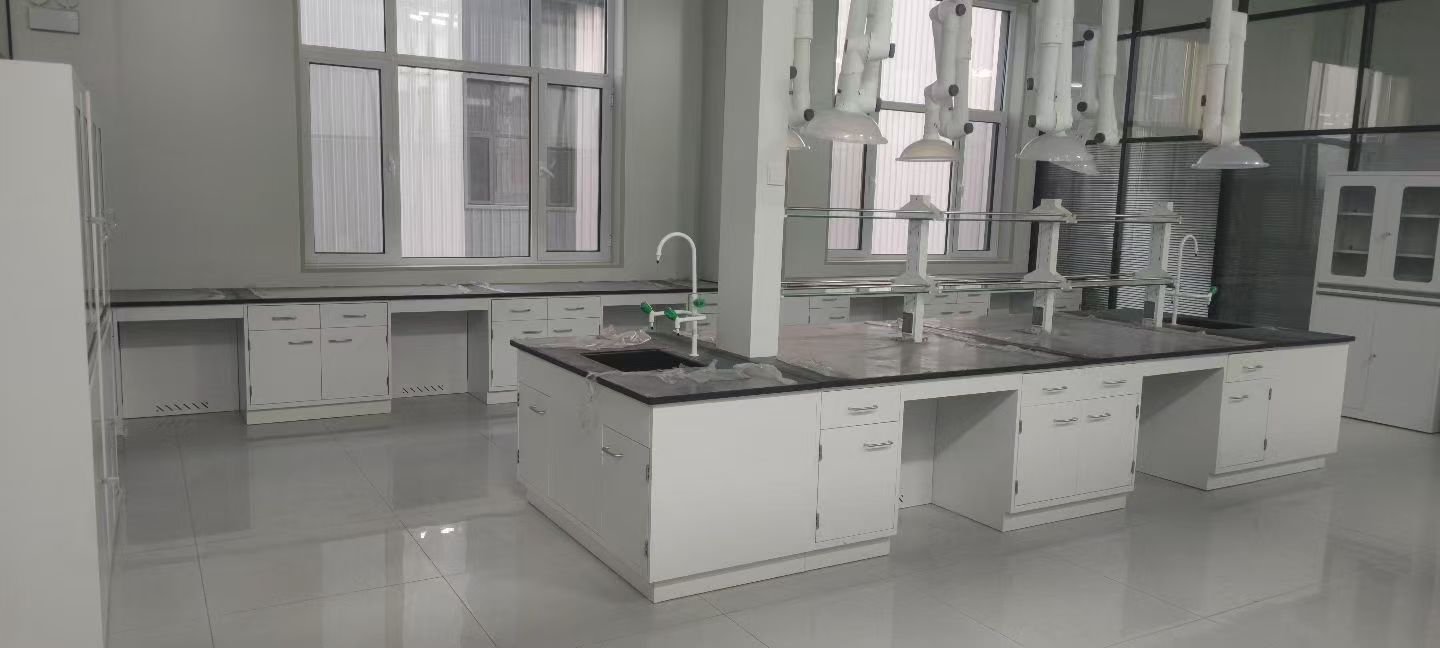
Steel wood laboratory benches are commonly installed in schools, universities, food laboratories, quality control laboratories, and environmental testing facilities where chemical exposure is relatively limited.

Although the wooden cabinets require more attention in humid or highly corrosive environments, they provide an attractive appearance, flexible storage options, and a lower initial investment. For many laboratories, this balance between performance and cost makes steel wood laboratory benches an excellent solution.

Steel Laboratory Bench

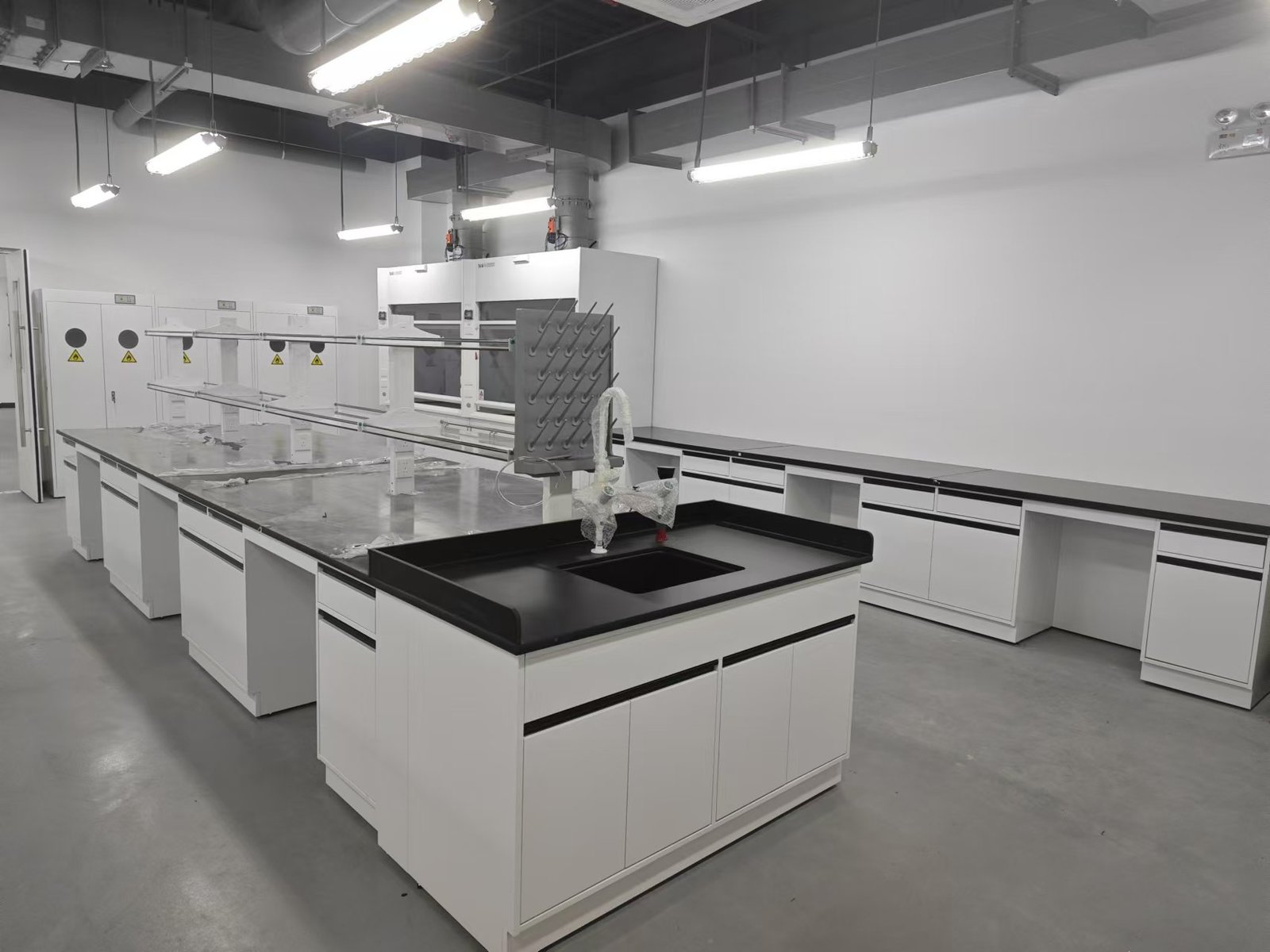
Steel laboratory benches are among the most commonly used solutions in modern laboratories.

With a strong steel frame structure and professional powder coating treatment, steel benches provide excellent mechanical strength and long service life.

They are widely used in:

  • Research laboratories
  • University laboratories
  • Industrial testing facilities
  • General chemical laboratories

The main advantages include:

Strong Load Capacity

Steel structures provide stable support for analytical instruments, testing equipment, and other laboratory devices. This makes them suitable for laboratories where equipment weight and stability are important considerations.

Durable Surface Performance

High-quality coated steel surfaces can resist:

  • Daily cleaning
  • Minor chemical exposure
  • Mechanical impact
  • Long-term laboratory use

For most general laboratory environments, steel benches offer an excellent balance between performance and cost.

PP Laboratory Bench

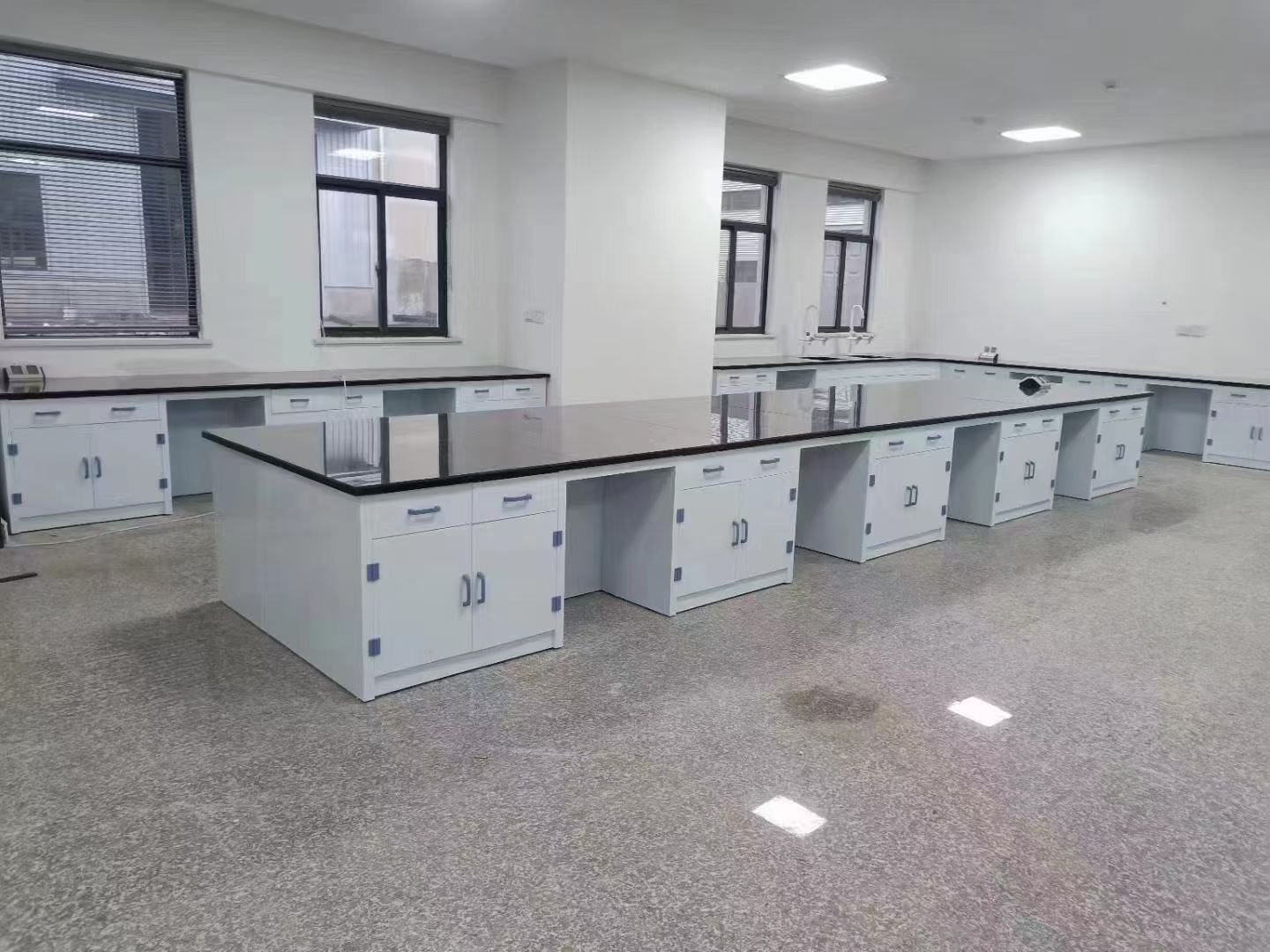
Polypropylene (PP) laboratory benches are designed for environments where chemical resistance is the primary requirement.

Unlike traditional materials, PP provides excellent resistance against many corrosive chemicals and aggressive substances.

They are commonly used in:

  • Chemical laboratories
  • Acid handling areas
  • Special research facilities

The advantages include:

Excellent Chemical Resistance

PP materials perform well when exposed to:

  • Strong acids
  • Alkalis
  • Chemical solutions

This makes them suitable for laboratories where chemical contact is frequent.

Easy Cleaning and Maintenance

The non-porous surface structure helps reduce contamination risks and simplifies daily maintenance.

Stainless Steel Laboratory Bench

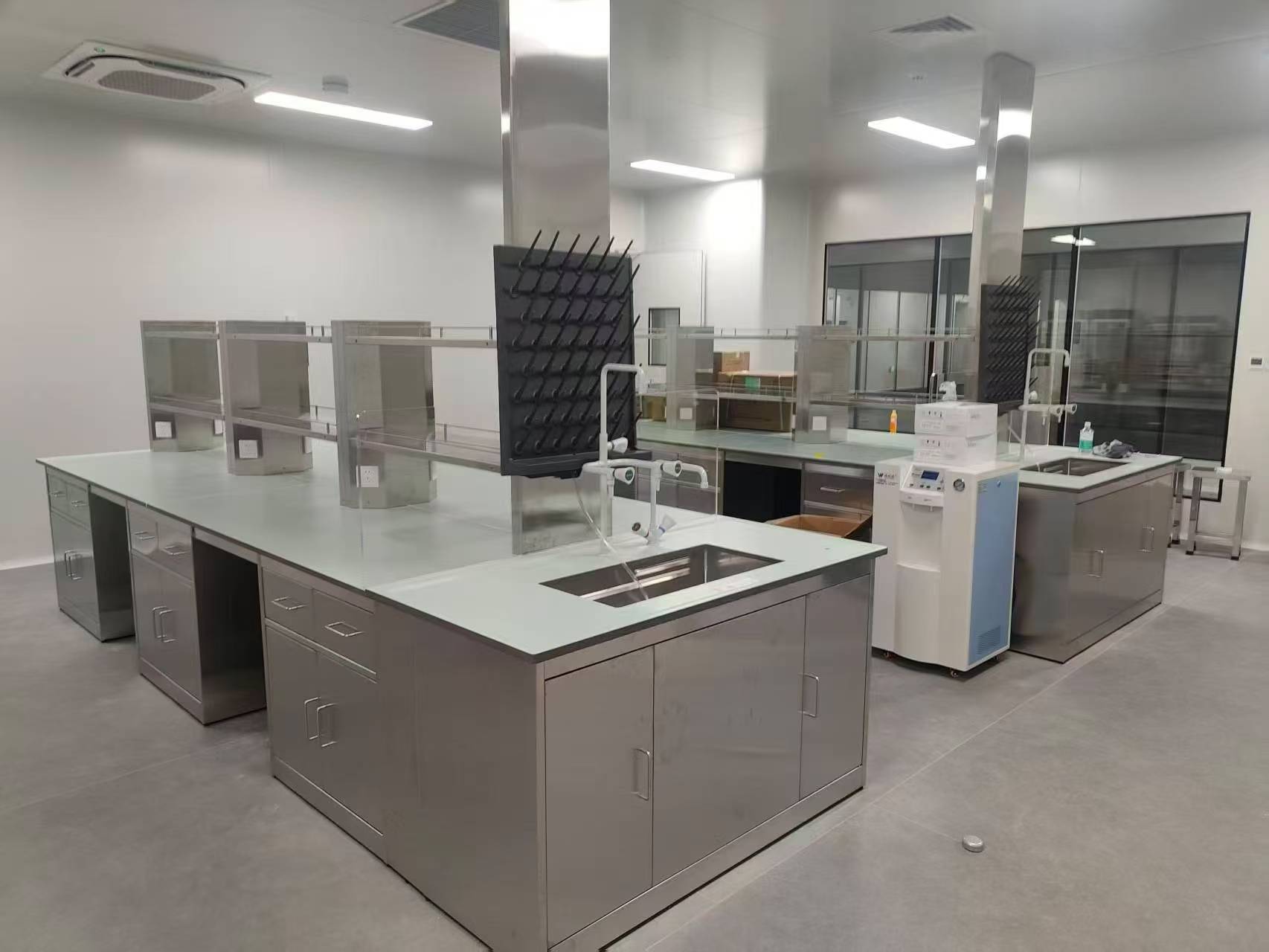
Stainless steel laboratory benches are commonly selected for environments requiring hygiene, cleanliness, and corrosion resistance.

Typical applications include:

  • Medical laboratories
  • Food testing laboratories
  • Cleanroom environments
  • Biological research facilities

The smooth surface allows easy cleaning and supports strict hygiene requirements.
How to Select the Right Laboratory Bench for Different Applications

The best laboratory bench depends on how the laboratory will be used.

Research Laboratory

Research laboratories often require flexible and durable workspaces.

Steel laboratory benches are commonly selected because they provide:

  • High strength
  • Long service life
  • Compatibility with different equipment

The smooth surface allows easy cleaning and supports strict hygiene requirements.

Chemical Laboratory

Chemical laboratories require stronger protection against corrosive substances.

PP laboratory benches are often preferred because chemical resistance becomes a priority.

Medical Laboratory

Medical environments usually focus on:

  • Cleanliness
  • Easy disinfection
  • Surface durability

Stainless steel and specialized laboratory surfaces are commonly used.

Laboratory Bench Design Considerations

Material selection is only one part of laboratory bench planning.

A complete laboratory furniture solution should also consider:

Workspace Dimensions

The bench size should match:

  • Equipment requirements
  • User activities
  • Available room space

Oversized benches may reduce movement efficiency, while insufficient workspace can affect productivity.

Storage Configuration

Modern laboratory benches often integrate:

  • Drawer units
  • Base cabinets
  • Wall cabinets
  • Mobile storage systems

Proper storage planning helps maintain an organized working environment.

Utility Integration

Laboratory benches may require integration with:

  • Electrical outlets
  • Gas connections
  • Water supply
  • Drainage systems

Early planning helps avoid expensive modifications later.

Typical Applications

Universities and Educational Laboratories

Teaching laboratories require durable furniture capable of supporting frequent student use.

Steel laboratory benches are commonly selected because they provide reliable performance and easy maintenance.

Pharmaceutical and Research Facilities

Research laboratories often require customized bench configurations to support specialized equipment and workflow requirements.

Material selection depends on chemical exposure and cleanliness requirements.

Industrial Testing Laboratories

Industrial laboratories typically use heavy-duty laboratory benches designed to support testing equipment and long-term operation.

Frequently Asked Questions

What is the most commonly used laboratory bench material?

Steel is one of the most widely used laboratory bench materials because it provides a good balance between strength, durability, and cost.

Is PP laboratory bench better than steel?

Not necessarily. PP provides better chemical resistance, while steel provides higher structural strength. The right choice depends on laboratory requirements.

How long does a laboratory bench usually last?

With proper materials and maintenance, high-quality laboratory benches can provide many years of reliable service.

Can laboratory benches be customized?

Yes. Laboratory benches can be customized according to room layout, equipment requirements, materials, storage needs, and utility connections.

Which option is more cost-effective?

Steel wood laboratory benches have a lower initial purchase cost, while full steel laboratory benches often provide a lower total cost of ownership over their longer service life.

READY TO PLAN YOUR LAB?

Partner with Landro’s engineering team to build a safe, efficient, and fully compliant research environment.

  • Free Consultation — Discuss your workflow and spatial constraints with experts.
  • Compliance Assured — Standardized designs passing SEFA & ASHRAE audits.
  • 3D Concept Preview — Visualize your laboratory before committing to construction.

Leave a Reply

Your email address will not be published. Required fields are marked *