Acid Cabinet for Corrosive Laboratory Reagents
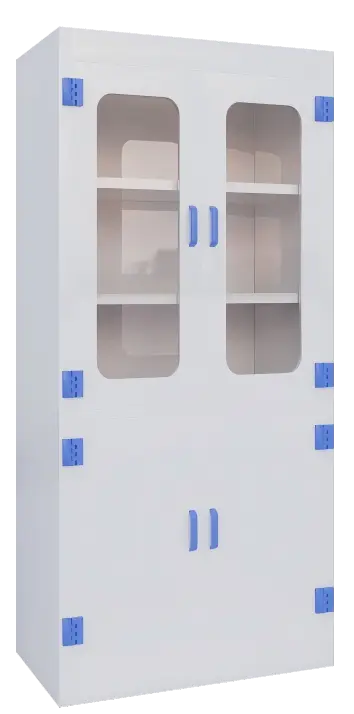
This polypropylene acid cabinet provides a dedicated storage location for compatible corrosive reagents in laboratories, universities, pharmaceutical facilities, testing rooms, and industrial research environments. Its non-metallic cabinet body, welded PP construction, polymer hardware, configurable shelves, and optional ventilation connection make it suitable for projects where routine corrosion resistance is an important purchasing requirement.
Select Storage by the Chemical Inventory
Begin with the current chemical inventory and safety data sheets rather than the acid cabinet name alone. Review reagent concentration, container material, quantity, hazard classification, and chemical compatibility. Acids, alkalis, oxidizers, flammable liquids, and toxic substances may require separate storage arrangements. Polypropylene offers useful resistance to many laboratory chemicals, but it is not compatible with every substance or operating condition. The purchaser should verify the intended chemicals, temperature range, spill procedure, and local requirements before use.
PP Construction and Configuration
The cabinet uses white polypropylene panels joined to create a practical storage enclosure without exposed steel shelf tracks in the main storage area. Project options can include cabinet dimensions, door arrangement, shelf quantity, shelf spacing, exhaust connection position, and a base containment area. Panel thickness, hardware, load requirements, and containment capacity should be confirmed on the quotation because the required configuration depends on container size and the planned inventory.
Ventilation and Spill Planning
A cabinet exhaust connection should only be used as part of a reviewed facility ventilation design. Before ordering an acid cabinet, confirm the connection diameter, duct route, exhaust fan arrangement, make-up air, condensate management, and inspection access with the facility engineer and environmental health and safety team.
The cabinet alone does not establish a fixed airflow or exposure-control result. Confirm whether ventilation is appropriate for the chemicals being stored and how a spill will be contained, removed, and documented under the site procedure.
Information Needed for a Quotation
For an accurate acid cabinet quotation, provide the required external dimensions, available room space, reagent list, largest container height, approximate container quantities, preferred door type, shelf layout, ventilation requirement, and delivery destination. Also confirm doorway and corridor access, floor condition, wall clearances, nearby services, and maintenance space. These details help determine whether a standard cabinet or a project-specific PP reagent cabinet configuration is more appropriate.
Installation and Routine Inspection
Install the acid cabinet indoors on a level surface and keep the doors, ventilation openings, and surrounding aisle accessible. Label stored chemicals clearly, maintain an up-to-date inventory, and inspect containers, shelves, welded joints, hinges, and the containment area at intervals defined by the site chemical hygiene plan. Damage, residue, leaks, or incompatible storage should be addressed before continued use. Final placement and permitted contents remain the responsibility of the purchaser and the responsible laboratory safety personnel.
For general laboratory chemical-management guidance, review OSHA Laboratory Standard Appendix A. You can also compare other chemical storage cabinet options or send Landro your chemical inventory and cabinet dimensions for a configuration review.