01Identify the Chemical Hazard
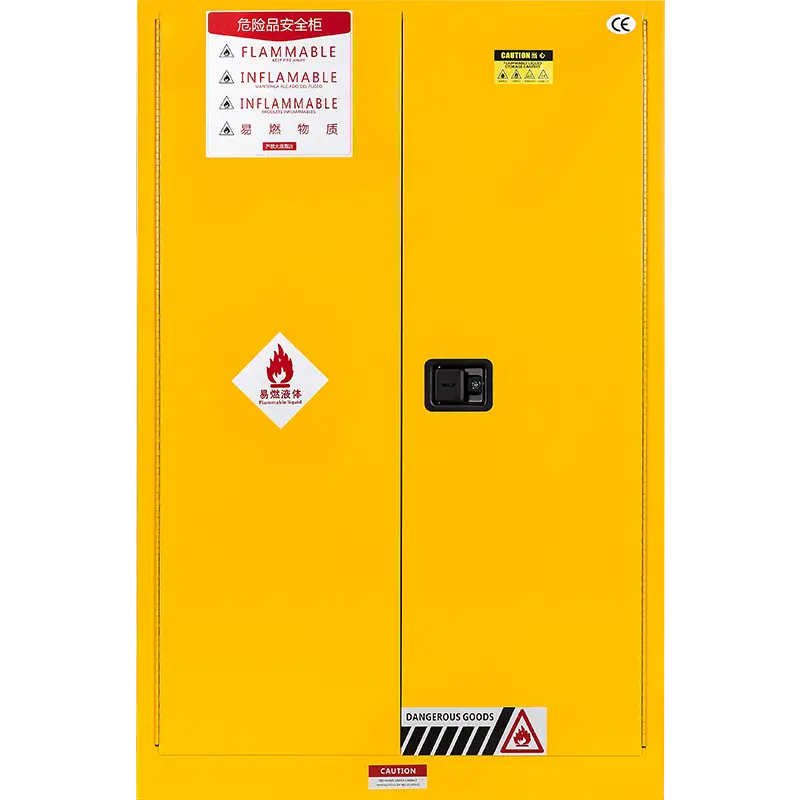
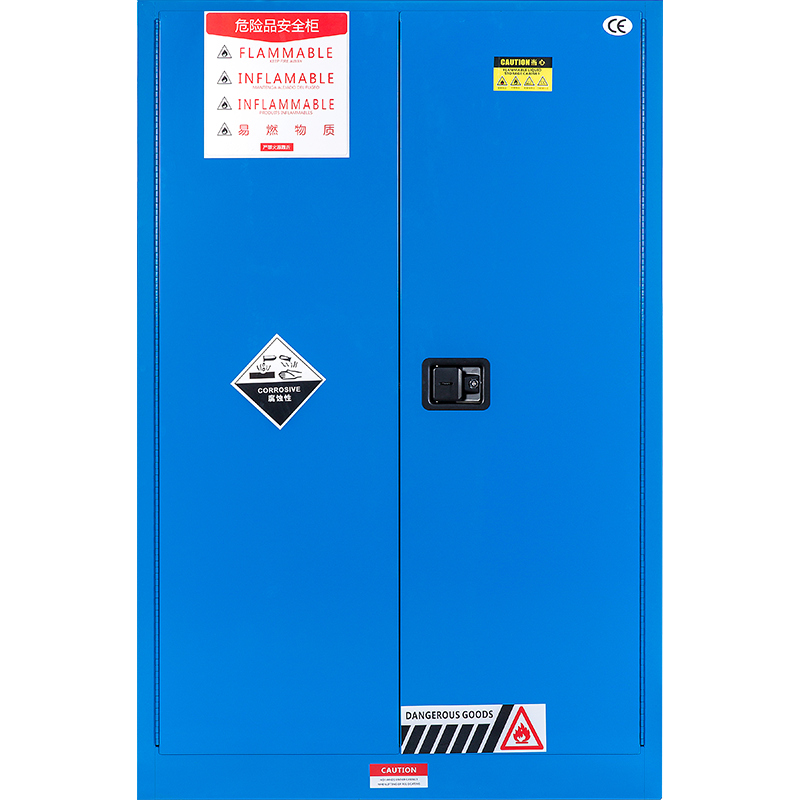
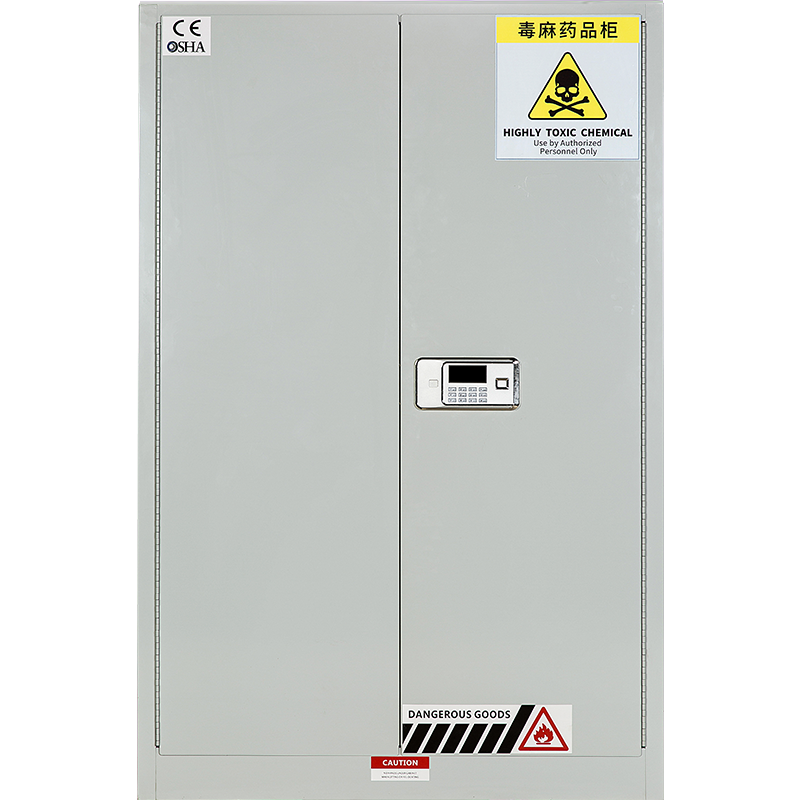
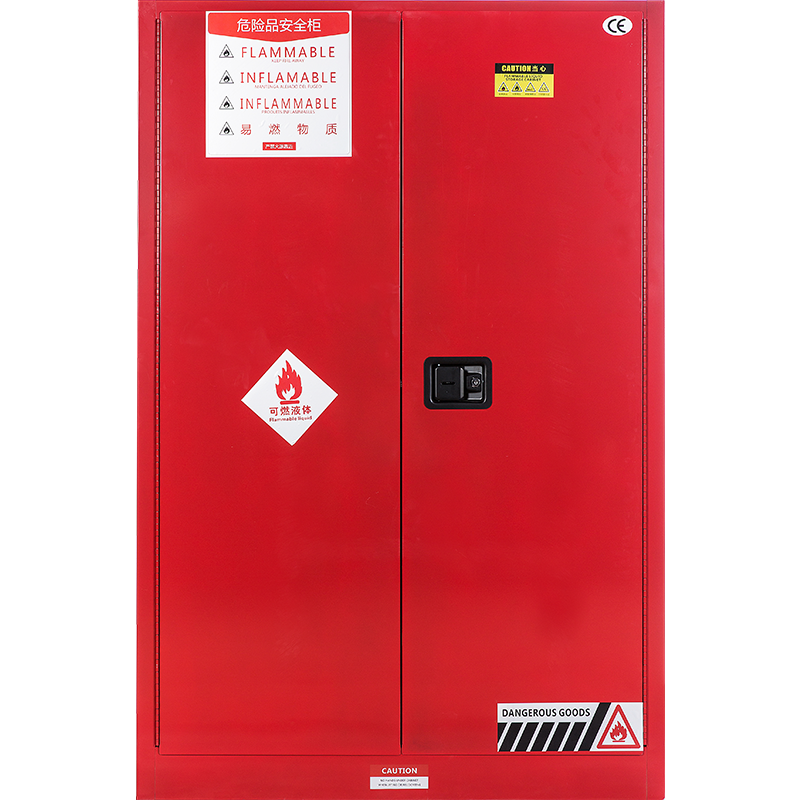
Review the safety data sheet for each substance and group compatible chemicals. Flammable-liquid cabinets, acid cabinets, toxic-substance cabinets and gas cylinder cabinets serve different storage risks and should not be substituted without a hazard review.
02Match Cabinet Materials
Coated steel safety cabinets are widely used for flammable-liquid storage. PP chemical storage cabinets provide corrosion resistance for many acid and alkali applications, while specialized interiors may be required for particular substances.
03Plan Capacity and Location
Confirm container sizes, total liquid volume, shelf loads, door clearances and aisle space. The cabinet location should support safe access without blocking exits, emergency equipment or routine laboratory circulation.
CABINET TYPES
Safety Cabinets for Flammable, Corrosive and Toxic Materials
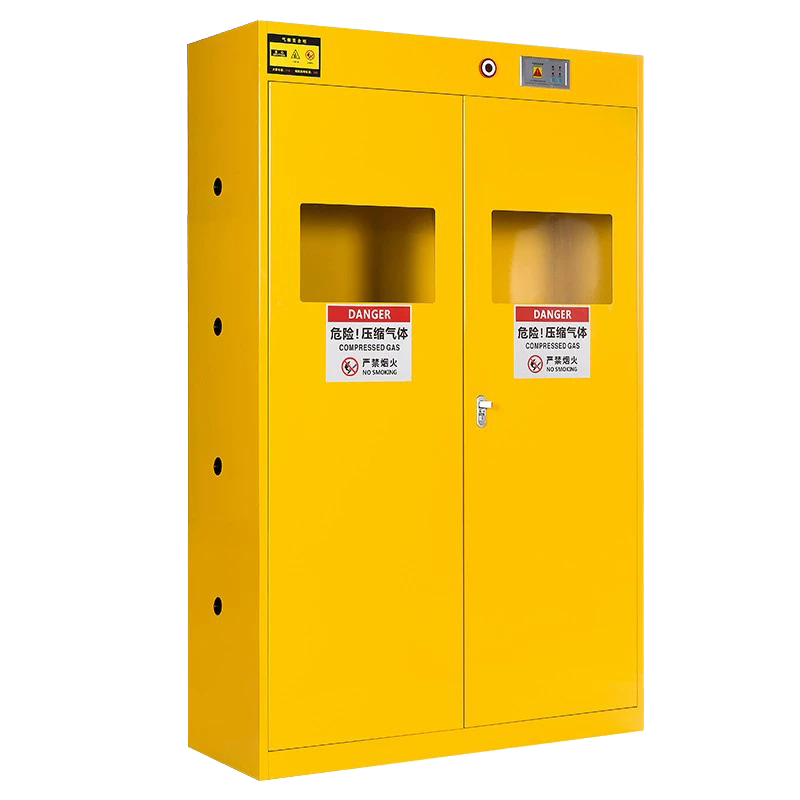
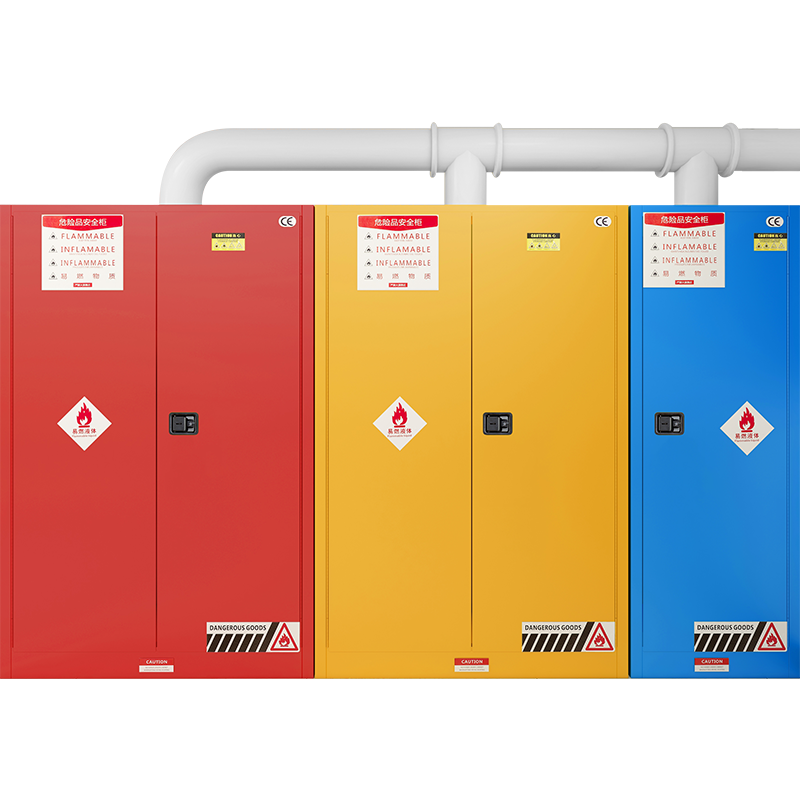
Flammable liquid safety cabinets help organize approved containers and reduce exposure to fire hazards. Acid and corrosive storage cabinets use materials and internal components selected for chemical resistance. Toxic substance cabinets support controlled storage, while gas cylinder cabinets secure compressed-gas cylinders and may include ventilation and alarm options. Products commonly marketed as explosion proof cabinets should still be evaluated by their actual construction, certification and intended chemical-storage application.
PROJECT CHECKLISTWhat to Specify Before Ordering Chemical Storage Cabinets
Begin with a chemical inventory. Record each substance, hazard class, container size, maximum quantity and storage temperature. Use the safety data sheet to identify incompatibilities and required segregation. For U.S. projects, review applicable facility procedures and the OSHA flammable liquids standard with the project safety team.
Next, define the cabinet type and construction. A flammable cabinet typically uses a double-wall steel structure, reinforced doors and liquid-tight containment features. PP cabinets are often selected for corrosive chemicals because the cabinet body resists many acid and alkali vapors. Toxic material storage may require controlled access, clear labeling and site-specific ventilation.
Ventilation should not be added automatically. Confirm whether the authority having jurisdiction, chemical risk assessment and facility policy require a vented or unvented cabinet. When ventilation is necessary, the duct material, exhaust rate and discharge location must be compatible with the stored chemicals. Improper connections can reduce cabinet performance or create a new exposure risk.
Finally, specify shelf quantity, adjustable spacing, load capacity, door type, lock, grounding point, leak containment and warning labels. Gas cylinder cabinets also need cylinder restraints, valve access and optional gas detection. LANDRO can manufacture custom safety cabinet dimensions and configurations for laboratories, universities, pharmaceutical facilities, chemical plants and industrial storage areas.
Safety Cabinet FAQs
Is an explosion proof cabinet the same as a flammable safety cabinet?
The terms are often used loosely, but they are not automatically equivalent. Buyers should verify the cabinet construction, test standard, certification and approved use instead of relying on the product name alone.
Can acids and flammable liquids be stored in the same cabinet?
They should generally be segregated according to chemical compatibility and the safety data sheets. Separate purpose-built cabinets help reduce incompatible storage risks.
Can chemical storage cabinets be customized?
Yes. Dimensions, shelf layouts, door styles, locks, ventilation connections, alarms and internal containment can be configured around the chemical inventory and facility requirements.