01Define the Required Protection
Class II biological safety cabinets are designed to protect personnel, the product and the surrounding environment through controlled inflow, HEPA-filtered downflow and filtered exhaust. The selected model must match the risk assessment.
02Compare Type A2 and Type B2
Type A2 cabinets recirculate a portion of HEPA-filtered air and may be connected to an approved exhaust system when required. Type B2 cabinets exhaust air outside and need dedicated building exhaust coordination.
03Plan Installation and Certification
Room airflow, doorways, ceiling clearance, electrical supply and exhaust connections affect installation. Field certification should be completed after placement and repeated according to the laboratory's safety program.
AIRFLOW CONFIGURATION
Class II Biosafety Cabinets: Type A2 vs Type B2
Type A2 biosafety cabinets are widely used for microbiological procedures that do not involve significant quantities of volatile toxic chemicals or radionuclides. Type B2 cabinets use total exhaust and may suit work requiring external discharge, subject to the risk assessment and facility design. A B2 cabinet places greater demands on exhaust volume, static pressure, make-up air and building controls, so the cabinet and ventilation system must be engineered together.
PROJECT CHECKLISTWhat to Specify Before Ordering a Biological Safety Cabinet
Begin with the biological agents, procedures and containment level. Record aerosol-generating tasks, sample quantities, equipment placed in the work zone and any chemicals used during the procedure. Laboratory safety personnel should review the current risk assessment and relevant guidance such as the CDC Biosafety in Microbiological and Biomedical Laboratories resource.
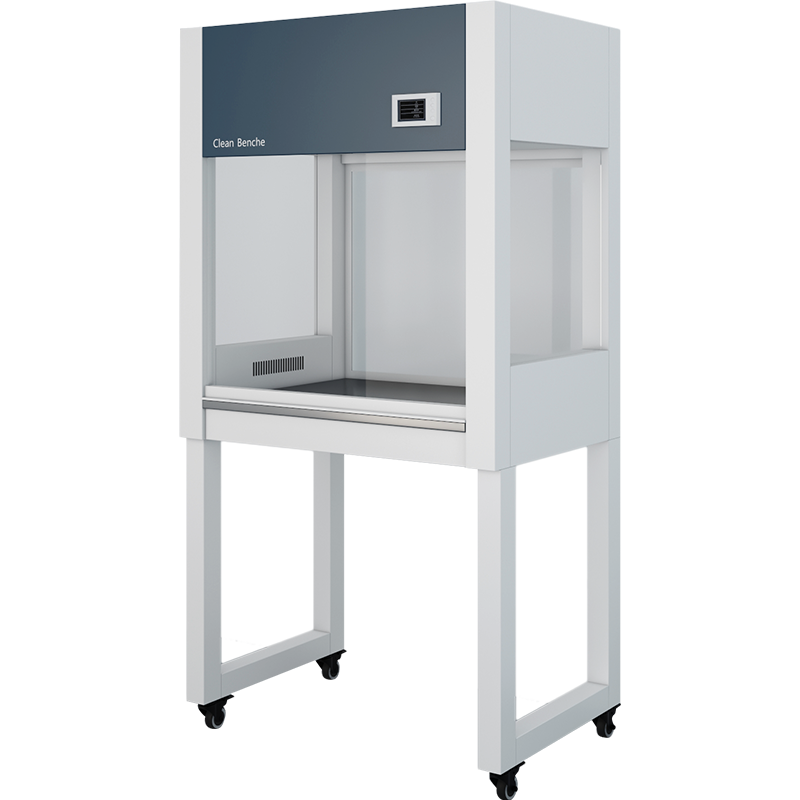
Next, confirm the cabinet class and airflow type. Class II Type A2 is common for cell culture, clinical and microbiology work. Type B2 requires a dedicated exhaust connection and should be selected only when the procedure and facility design justify total exhaust. A laminar flow clean bench is not a substitute because it protects the product but does not provide the same personnel and environmental containment.
Measure the cabinet width, work-zone opening, overall height and access route. Check door dimensions, elevator capacity, ceiling clearance and the location of electrical outlets. Avoid placing the cabinet near frequently opened doors, strong supply-air diffusers or busy circulation routes that could disrupt the protective airflow.
Finally, define the base stand, work-surface height, service taps, sockets, UV option, lighting, airflow monitor and alarm requirements. Coordinate testing and certification before the cabinet enters service. LANDRO can provide customized biosafety cabinet sizes and project support for universities, hospitals, pharmaceutical facilities, research institutes and industrial microbiology laboratories.
Biosafety Cabinet FAQs
What is the difference between a biosafety cabinet and a fume hood?
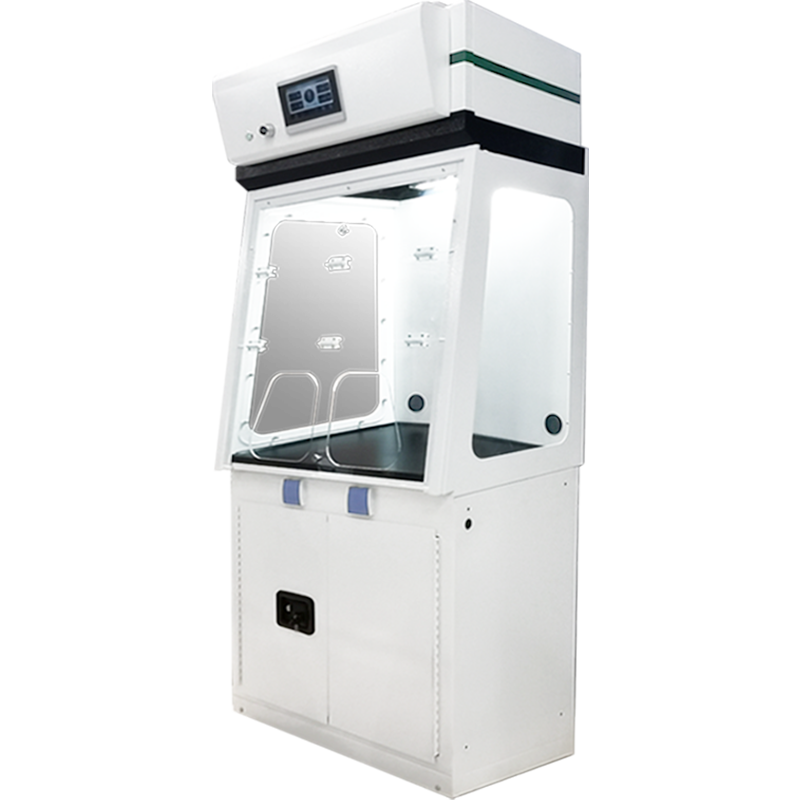
A biosafety cabinet uses controlled, HEPA-filtered airflow for biological containment. A chemical fume hood captures hazardous vapors and connects to an exhaust system. Each protects against a different hazard.
Is a laminar flow cabinet the same as a biological safety cabinet?
No. A clean bench directs filtered air toward the user and is intended mainly for product protection. A certified biological safety cabinet provides personnel, product and environmental protection for appropriate biological work.
Can Class II biosafety cabinet sizes be customized?
Cabinet width, base stand, service fittings and project configuration can be selected around the room and workflow, while safety-critical airflow and certification requirements must remain compliant with the applicable standard.