01Match Materials to Chemical Exposure
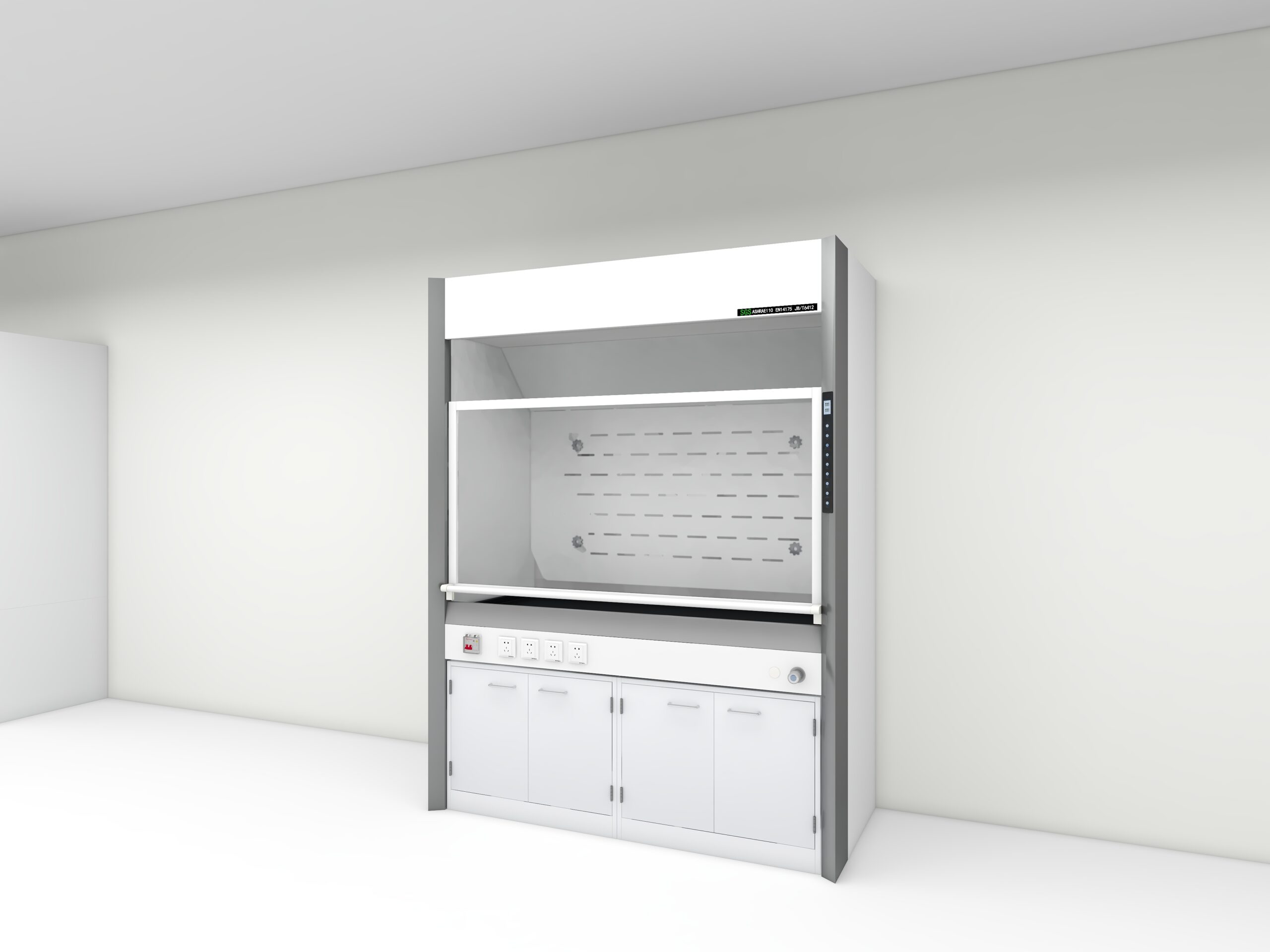
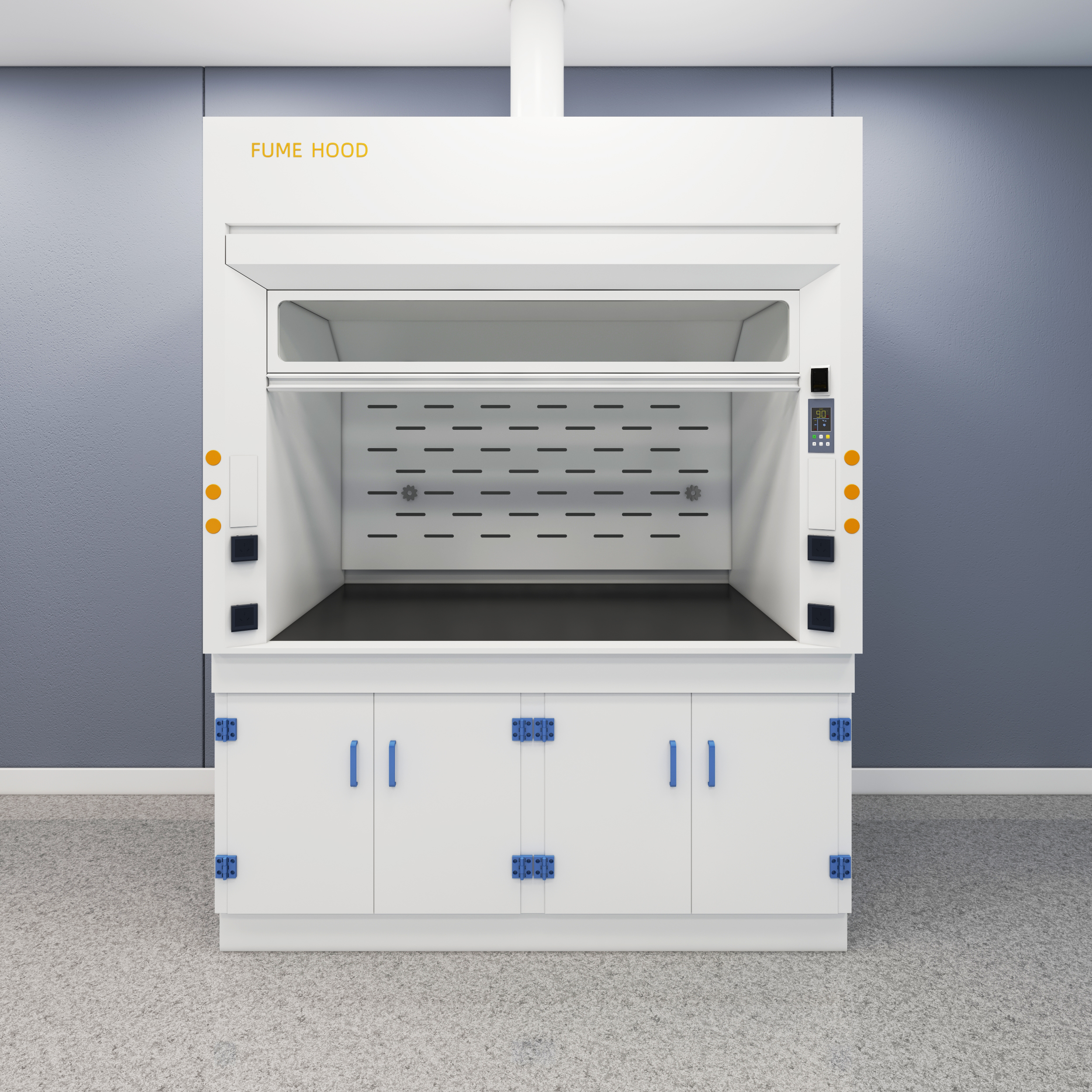
Steel fume hoods suit many general laboratory applications. PP chemical fume hoods provide stronger corrosion resistance for aggressive acids, while stainless steel supports frequent cleaning and specialized hygiene requirements.
02Choose the Correct Hood Configuration
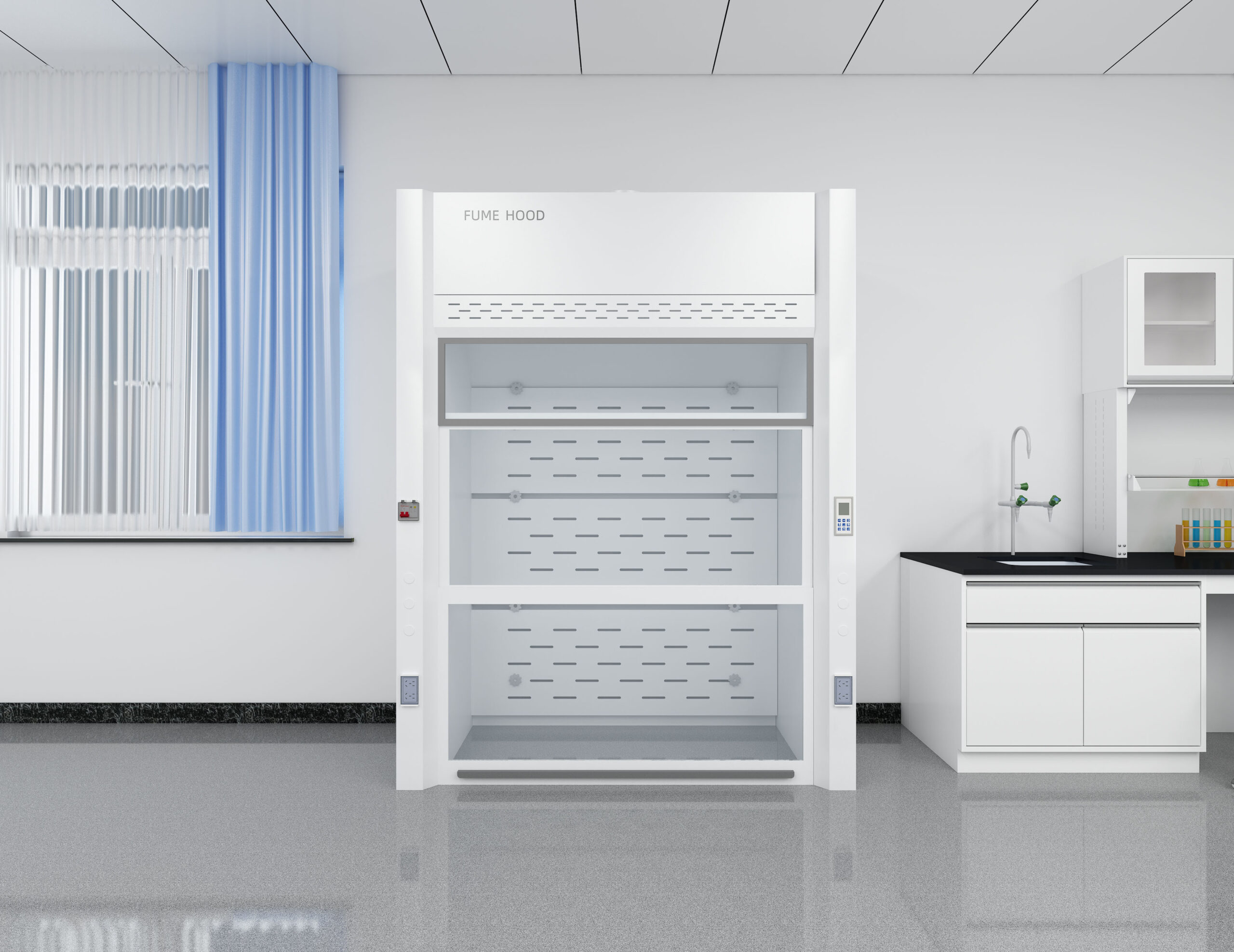
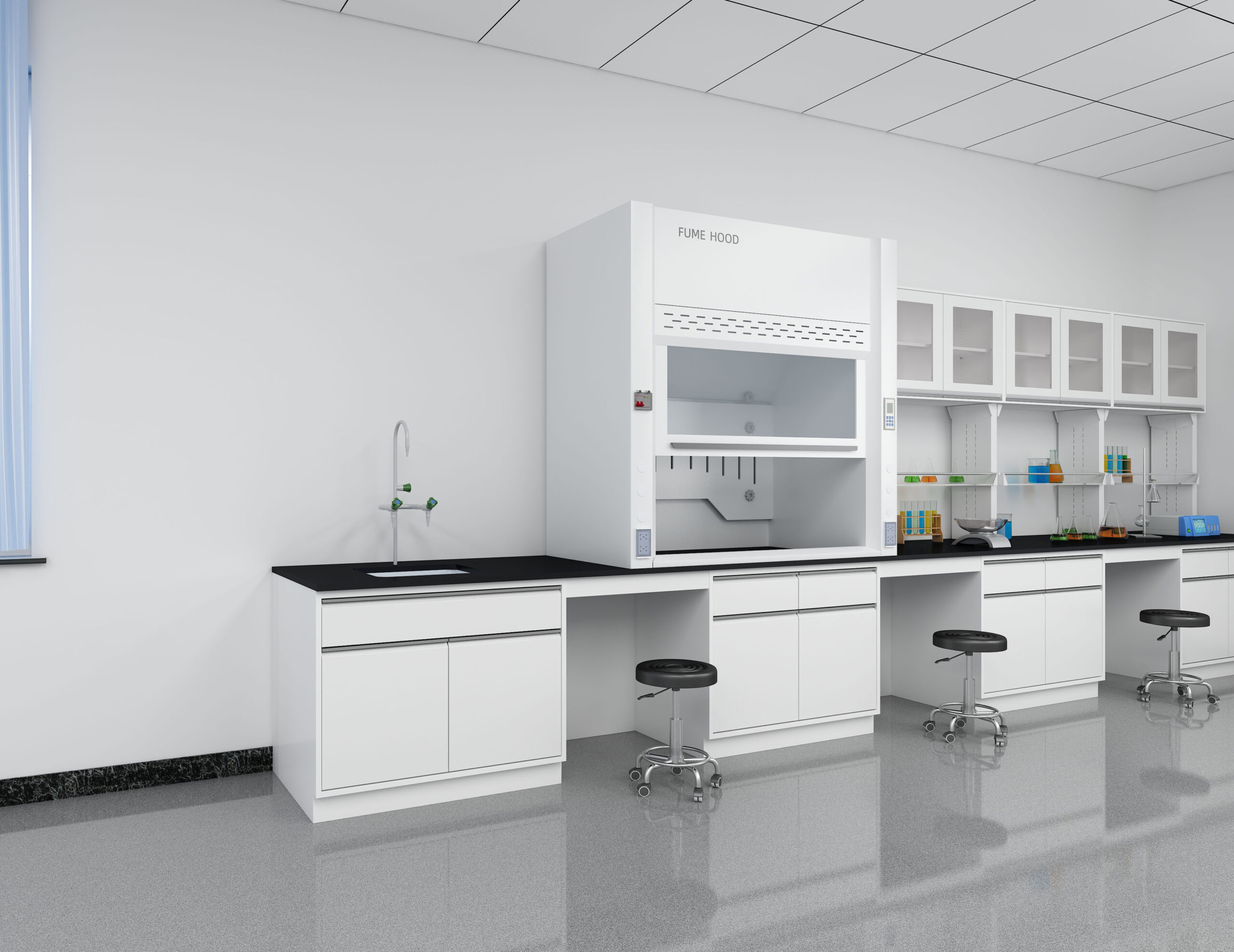
Benchtop fume hoods fit routine work at standard counter height. Walk-in fume hoods accommodate tall apparatus and floor-mounted equipment, but they still require a defined operating opening and engineered exhaust airflow.
03Coordinate Airflow and Controls
Face velocity, sash position, duct resistance and exhaust volume work together. A properly selected fan, duct route and optional VAV control help maintain containment while reducing unnecessary energy use.
APPLICATION & MATERIALS
Fume Hood Types for Different Laboratory Environments
A steel laboratory fume hood is a practical choice for education, research, pharmaceutical and industrial testing facilities. PP fume hoods are commonly specified where corrosive vapors could damage metal interiors. Stainless steel models support cleanable work zones, while benchtop and walk-in configurations address different equipment heights and process layouts. The correct choice depends on the hazard assessment, chemical compatibility and ventilation system—not appearance alone.
PROJECT CHECKLISTWhat to Specify Before Ordering a Laboratory Fume Hood
Start with the substances and procedures used inside the hood. List corrosive chemicals, solvents, acids, heat-producing equipment and any unusually tall apparatus. This information guides the liner, worktop, sash and service-fixture selection. General laboratory safety guidance is available from the OSHA laboratory safety overview.
Next, confirm the fume hood width, internal working height, work-surface depth and installation location. Doorways, ceiling height, service access and nearby air-supply diffusers can affect installation and containment. Walk-in fume hoods need enough floor and ceiling clearance for both equipment and safe sash operation.
Then coordinate the exhaust system. Provide the target face velocity, normal sash opening, estimated exhaust volume and duct connection position to the ventilation engineer. Duct diameter, bends, vertical risers, roof discharge and fan static pressure should be calculated as one system. A VAV fume hood can reduce exhaust volume when the sash is lowered, while a constant-air-volume design uses a more stable exhaust rate.
Finally, define utilities and accessories. Water, gas, vacuum and electrical services should be positioned for safe access without creating obstructions inside the work zone. Airflow monitors, sash stops, base cabinets and scrubbers may be added when required by the project. LANDRO can manufacture custom fume hood sizes and coordinate cabinet construction, worktops and service fittings for research, education, pharmaceutical and industrial laboratories.
Fume Hood FAQs
What is the difference between a fume hood and a biosafety cabinet?
A chemical fume hood captures hazardous vapors and directs them into an exhaust system. A biosafety cabinet is designed for biological containment and uses filtered airflow. The equipment should be selected according to the actual hazard.
Which fume hood material is best for corrosive chemicals?
PP is commonly used for strong acid and corrosive-vapor applications. Chemical compatibility, operating temperature, cleaning methods and exhaust design must still be reviewed before final selection.
Can fume hood dimensions and service fixtures be customized?
Yes. Width, internal height, worktop, liner, base cabinet, sash, duct connection and utility fittings can be configured around the laboratory layout and process requirements.